

 Call Jumeirah
Finding the right pediatric dentist in Dubai is important because children do not always explain dental discomfort clearly. A child with tooth pain may not point to the affected tooth or describe exactly what they are feeling.
Instead, you may notice them chewing on one side, refusing certain foods, waking during the night, becoming irritable or suddenly resisting brushing.
Some dental problems are easy to see. Others, including cavities between the teeth, early gum inflammation and changes in the developing bite, may not be obvious to parents.
Regular dental visits help identify these concerns before they lead to severe pain, infection or more complex treatment. They also give children an opportunity to become comfortable with the dental clinic before they need urgent care.
Here are 10 signs that your child should visit a paediatric dentist in Dubai.
1. Your Child Complains of Tooth Pain
Tooth pain is one of the clearest reasons to arrange a dental appointment.
Your child may describe the discomfort as:
- A sharp pain while eating
- A dull ache that comes and goes
- Pain when biting down
- Sensitivity after eating something sweet
- Pain that becomes worse at night
- Discomfort in the cheek, jaw or ear
Children may not always identify the correct tooth. They may simply say that one side of the mouth hurts or avoid touching the area.
Toothache can be caused by decay, a loose filling, a cracked tooth, food trapped between the teeth, gum inflammation or an infection inside the tooth.
Do not wait for the pain to become unbearable. A child who wakes at night, stops eating normally or needs repeated pain relief should be assessed promptly.
When is toothache an emergency?
Seek urgent dental care when tooth pain is accompanied by:
- Swelling of the gum, cheek or face
- Fever or unusual tiredness
- A bad taste or discharge in the mouth
- Difficulty opening the mouth
- Difficulty swallowing or breathing
- Recent facial or dental trauma
Rapid facial swelling or any problem affecting breathing or swallowing requires immediate medical attention.
2. You Notice White, Brown or Black Marks on a Tooth
Parents often associate cavities with a visible hole, but tooth decay may begin as a subtle colour change.
Early signs can include:
- Chalky white areas near the gumline
- Yellow or brown marks
- Dark spots in the grooves of back teeth
- A shadow between two teeth
- A small area that repeatedly traps food
- A visible hole or broken surface
Not every mark is a cavity. Teeth can also appear different because of staining, enamel development, previous injury or certain medications.
However, a colour change that does not brush away should be examined by a children’s dentist in Dubai.
Small areas of early decay may be easier to manage than a large cavity that has reached the nerve of the tooth. Once a cavity has formed, delaying the appointment may allow it to become deeper and more uncomfortable.
3. Your Child Has Sensitivity to Cold, Heat or Sweet Foods
Does your child suddenly stop while eating ice cream? Do they avoid cold water or complain that a tooth hurts after chocolate?
Repeated sensitivity may indicate that the protective surface of a tooth has become weakened or damaged.
Possible causes include:
- Tooth decay
- A cracked or chipped tooth
- Enamel wear
- A damaged filling
- Teeth grinding
- Gum recession
- Inflammation inside the tooth
Sensitivity that disappears immediately may not always indicate a serious problem. However, pain that continues after the food or drink has been removed should not be ignored.
Watch for changes in behaviour. A child may not complain directly but may:
- Refuse cold fruit
- Drink only through a straw
- Ask for food to be warmed
- Chew on one side
- Avoid brushing a particular tooth
These small changes can be the first clue that something feels uncomfortable.
4. The Gums Are Red, Swollen or Bleed Regularly
Healthy gums should not bleed every time your child brushes.
Occasional bleeding may occur when brushing is too hard or when flossing has recently been introduced. Regular bleeding, redness or swelling may indicate plaque-related gum inflammation.
Look for:
- Puffy gum margins
- Redness around certain teeth
- Bleeding during brushing
- Tenderness while eating
- Gum swelling near one tooth
- Persistent bad breath
- A small pimple-like swelling on the gum
A localised swelling near one tooth may be associated with infection and needs prompt assessment.
A kids dentist in Dubai can check whether the gums need professional cleaning, improved home care or treatment for an underlying tooth problem.
The appointment is also an opportunity to teach your child how to brush without damaging the gums.
5. Your Child Has Persistent Bad Breath
Temporary bad breath after waking or eating certain foods is common.
Bad breath that continues despite regular brushing may be linked to:
- Plaque around the teeth
- Food trapped between teeth
- Tooth decay
- Gum inflammation
- An infected tooth
- Poor tongue cleaning
- Dry mouth
- Mouth breathing
- An orthodontic appliance that is not cleaned properly
Mouthwash may temporarily cover the smell, but it will not treat the underlying cause.
Persistent bad breath can also be related to nasal congestion, throat problems or another medical concern. A dental examination can help determine whether the source is inside the mouth or whether further medical assessment may be helpful.
6. A Tooth Is Chipped, Broken, Loose or Knocked Out
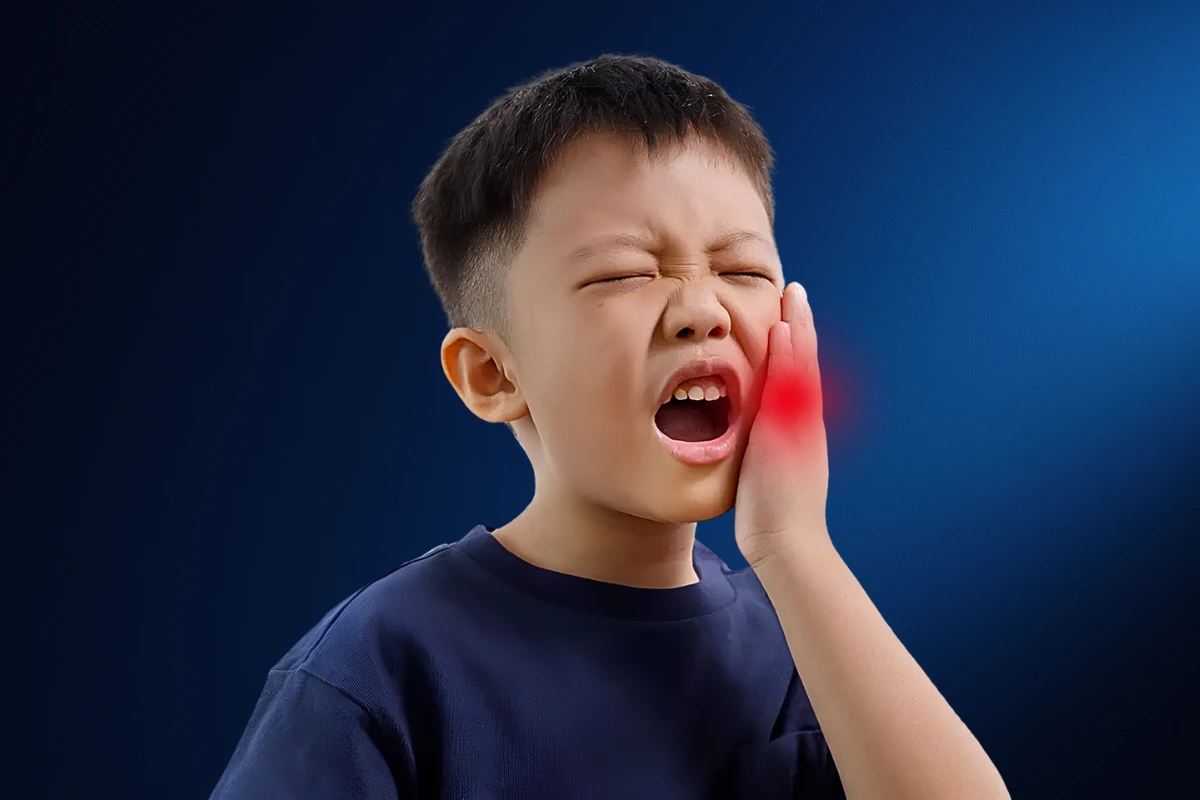
Children may injure their teeth while playing, cycling, running or participating in sport.
A damaged tooth should be checked even when your child says it does not hurt. The injury may affect the enamel, the deeper tooth layers, the nerve, the root or the tissues supporting the tooth.
What should you do after a dental injury?
Rinse the mouth gently with clean water.
Apply a cold compress outside the cheek if there is swelling. If part of the tooth has broken off, place the fragment in a clean container with milk or saliva and bring it to the appointment.
For a knocked-out permanent tooth:
- Hold it by the white crown, not the root.
- Do not scrub the root.
- Keep it moist.
- Contact an emergency dentist immediately.
A knocked-out baby tooth should not be placed back into the socket.
For chipped or cracked teeth, rinsing the mouth and applying a cold compress can help while you arrange professional care.
Prompt assessment can improve the chances of saving a damaged permanent tooth.
7. Your Child Avoids Chewing or Eats Only on One Side
Children are often very good at adapting to dental discomfort.
Rather than saying that a tooth hurts, they may:
- Chew only on the opposite side
- Take much longer to finish meals
- Avoid crunchy or chewy foods
- Refuse meat, apples or raw vegetables
- Request only soft food
- Stop biting with their front teeth
- Hold food inside the cheek
- Become unusually upset at mealtimes
These changes may be linked to:
- A cavity
- A loose baby tooth
- A broken tooth
- A mouth ulcer
- Gum swelling
- A new tooth erupting
- A painful filling
- Jaw or bite discomfort
Not every change in eating is caused by a dental problem. However, if the behaviour continues or is accompanied by sensitivity, bad breath, swelling or visible tooth changes, arrange a child dental checkup in Dubai.
Dental discomfort can affect nutrition, sleep, mood and concentration, so it is worth investigating early.
8. Teeth Are Erupting in an Unusual Position
Children do not all lose their baby teeth at the same age. Some variation in tooth eruption is normal.
However, a dental review may be useful when:
- An adult tooth is appearing behind a baby tooth
- The baby tooth is still firm while the adult tooth erupts
- A tooth is coming through at an unusual angle
- The teeth appear increasingly crowded
- One matching tooth erupts much earlier than the other
- A tooth does not appear when expected
- There seems to be an extra or missing tooth
- The upper and lower teeth do not meet properly
- The lower jaw shifts when your child closes their mouth
A paediatric dentist can examine the developing teeth and decide whether the situation needs monitoring, an X-ray, early orthodontic advice or treatment.
Early recognition of tooth eruption and bite abnormalities is an important part of managing a child’s developing dentition.
Not every irregular tooth needs immediate braces. In many cases, the dentist will simply monitor the child’s growth and review the timing of further care.
9. Thumb-Sucking, Pacifier Use or Mouth Breathing Continues
Thumb-sucking and pacifier use are common self-soothing habits during infancy.
When these habits continue for a long time, they may influence the position of the teeth and the development of the bite.
Possible changes include:
- Upper front teeth moving forward
- A gap between the upper and lower front teeth
- Difficulty closing the lips comfortably
- A narrow upper arch
- Changes in swallowing
- An altered bite
The American Academy of Pediatric Dentistry advises parents to seek guidance when thumb or finger sucking continues beyond the early childhood years.
The conversation should be supportive rather than critical. Shaming or punishing a child can increase anxiety and may make the habit more difficult to stop.
What about mouth breathing?
Arrange an assessment if your child regularly:
- Sleeps with their mouth open
- Snores
- Wakes with a dry mouth
- Has dry or cracked lips
- Breathes through the mouth during the day
- Sleeps restlessly
- Has repeated stains or decay on the front teeth
A dentist can assess the effect on the teeth, gums and bite. When necessary, the child may be referred for medical assessment of the nose, airway or sleep.
The AAPD recommends screening children for an increased risk of obstructive sleep apnoea and facilitating medical referral when indicated.
10. Your Child Has Never Visited a Dentist
A child does not need to have pain before seeing a dentist.
The first dental visit should take place after the first tooth appears and no later than the child’s first birthday. Early appointments allow parents to receive practical guidance before dental problems begin.
During an early visit, the dentist may discuss:
- How to clean new teeth
- Which toothpaste to use
- Fluoride guidance
- Feeding and bottle habits
- Thumb or pacifier use
- Teething
- Cavity risk
- What to do after a dental injury
- When to schedule the next appointment
Older children who have never visited a dentist should still be booked even when their teeth look healthy.
Waiting until there is severe pain can make a child’s first experience more stressful. A calm preventive appointment helps the child become familiar with the clinic, dental chair and dental team.
Why Are Regular Dental Visits Important for Children?
A dental check-up is not only a search for cavities.
A pediatric dentist may also assess:
- Tooth eruption
- Gum health
- Jaw growth
- Bite development
- Oral hygiene
- Diet and snacking habits
- Dental injuries
- Teeth grinding
- Oral habits
- Fluoride needs
- The need for fissure sealants
- Existing fillings or crowns
Regular monitoring allows the dental plan to change as the child grows.
The frequency of appointments should be based on the child’s individual needs. Children with previous decay, weaker enamel, orthodontic appliances or a higher cavity risk may need more frequent monitoring than children with a low risk.
Why Do Baby Teeth Need Treatment?
Parents sometimes ask why a baby tooth needs treatment when it will eventually fall out.
Baby teeth help children:
- Bite and chew food
- Pronounce words
- Maintain space for permanent teeth
- Guide adult teeth into position
- Support the developing jaws
- Smile with confidence
Decay in a baby tooth can cause pain, infection and difficulty eating. It can also affect sleep, mood and school attendance.
Baby teeth are temporary, but they may need to remain healthy for several years. The front baby teeth usually fall out before the back baby molars, which can remain in the mouth until later childhood.
Treating a small problem early is often simpler than managing a child who has developed severe pain, swelling or a dental abscess.
What Happens During a Child Dental Check-Up?
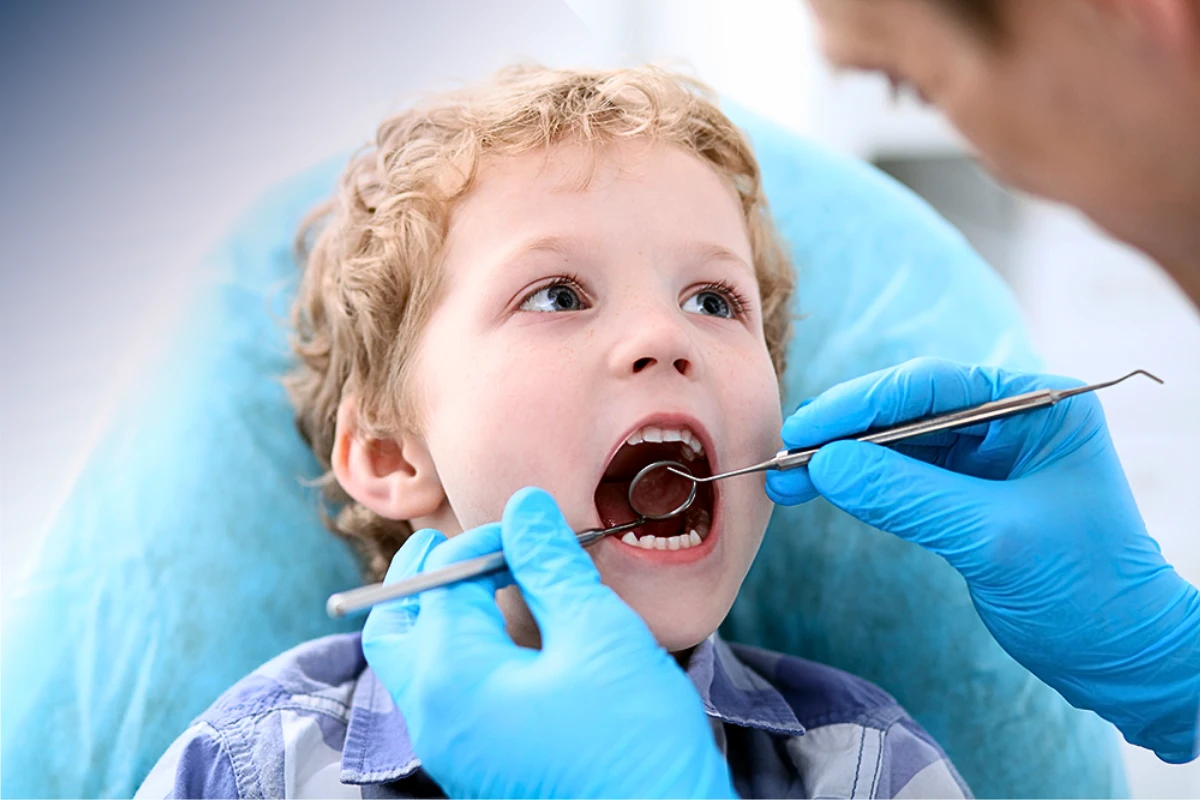
The appointment is adapted to your child’s age, confidence and dental needs.
A typical visit may include:
- Discussing your concerns and the child’s medical history
- Checking the teeth and gums
- Looking for early signs of tooth decay
- Assessing the bite and tooth eruption
- Reviewing brushing and flossing
- Discussing diet and snacking
- Recommending preventive treatments when appropriate
- Taking dental X-rays only when clinically required
- Explaining any necessary treatment
- Planning the next review
A young or nervous child may not complete every step during the first visit. Building trust is often more important than rushing into treatment when there is no emergency.
Modern paediatric behaviour guidance aims to reduce fear, build communication and create a trusting relationship between the child, parent and dental team.
How Can Parents Prepare a Child for the Dentist?
Your words can influence how your child feels about the appointment.
Before the visit:
- Keep the explanation simple and positive.
- Say that the dentist will count and check their teeth.
- Avoid describing your own negative dental experiences.
- Avoid words such as injection, drill or pain.
- Read a story about visiting the dentist.
- Practise opening the mouth at home.
- Schedule the appointment when your child is usually well rested.
- Tell the clinic about previous anxiety or additional needs.
Avoid saying, “The dentist will not do anything.”
The dentist will need to examine the mouth, and treatment may be recommended. It is better to say that the dental team will explain everything and help keep the child’s teeth comfortable and healthy.
How Can You Protect Your Child’s Teeth at Home?
Daily habits can significantly reduce the risk of dental problems.
Brush Twice a Day
Brush your child’s teeth twice daily using fluoride toothpaste.
Young children need an adult to complete the brushing. Even when children begin brushing independently, parents should continue checking that the back teeth, gumline and inside surfaces are being cleaned.
The ADA recommends brushing twice daily with fluoride toothpaste, cleaning between the teeth and limiting sugar as part of routine oral care.
Clean Between Touching Teeth
A toothbrush cannot clean properly between teeth that touch.
Introduce floss or another dentist-recommended interdental cleaner once there is no longer a visible space between neighbouring teeth.
Reduce Frequent Sugar Exposure
It is not only the amount of sugar that matters. Frequent snacking and sipping expose the teeth repeatedly throughout the day.
Try to:
- Keep sweets with meals
- Offer water between meals
- Avoid constant sipping of juice
- Limit sticky snacks
- Avoid bottles containing sweet drinks during sleep
Baby teeth are vulnerable to decay, and frequent exposure to sweetened liquids can contribute to early childhood cavities.
Use a Mouthguard for Sport
A properly fitted sports mouthguard can help protect the teeth during activities involving contact, speed or a risk of falling.
Attend Preventive Check-Ups
Do not wait for symptoms.
Preventive visits allow the dentist to identify early changes, guide home care and help your child feel more confident about dental appointments.
When Does a Child Need Emergency Dental Care?
Contact a dental clinic promptly when your child has:
- Severe tooth pain
- Facial or gum swelling
- A dental abscess
- A broken or displaced tooth
- A knocked-out permanent tooth
- Uncontrolled bleeding
- Significant mouth or jaw trauma
- A painful lump on the gum
- Pain following a fall or collision
- A tooth that suddenly becomes dark after an injury
Seek immediate hospital care when there is difficulty breathing or swallowing, rapidly increasing facial or neck swelling, loss of consciousness, severe head trauma or uncontrolled bleeding.
Give Your Child a Healthy Start
Children do not always tell us when their teeth feel uncomfortable.
Tooth pain, visible spots, sensitivity, bleeding gums, persistent bad breath, eating changes, dental injuries and unusual tooth eruption are all reasons to arrange an appointment.
Regular check-ups are equally important when there are no symptoms. They help monitor the teeth, gums, bite and jaw development while building healthy habits from an early age.
Looking for a trusted pediatric dentist in Dubai? Book a child dental check-up at Dentistree for gentle, age-appropriate and preventive dental care in a welcoming environment.
Frequently Asked Questions
1. At what age should my child first see a dentist?
Book the first visit when the first tooth appears or by the first birthday at the latest. The first appointment is mainly preventive and helps parents understand how to care for developing teeth.
2. How often should children have dental check-ups?
The schedule should be personalised according to the child’s cavity risk, oral hygiene, previous dental treatment and stage of development.
Many children attend approximately every six months, while those at higher risk may need more frequent monitoring.
3. What is the difference between a pediatric dentist and a general dentist?
Both can provide dental care, but a pediatric dentist focuses specifically on babies, children and adolescents. The approach, communication and clinical environment are adapted to children’s developing teeth and emotional needs.
4. What if my child is afraid of the dentist?
Tell the clinic before the visit.
A child-friendly dental team can introduce the environment gradually, use simple language and divide treatment into manageable steps. It is better to begin with a calm check-up than wait until the child needs emergency treatment.
5. Do cavities in baby teeth always need fillings?
The treatment depends on the size and location of the cavity, the child’s symptoms, age and how long the tooth needs to remain.
Options may include preventive treatment, a filling, a crown, treatment of the tooth’s nerve or extraction. The dentist will recommend the most appropriate approach after examining the tooth.
6. Are dental X-rays safe for children?
Dental X-rays are taken only when the information is needed for diagnosis or treatment planning.
The dentist considers the child’s age, symptoms, cavity risk and previous records before recommending them.
7. Why does my child continue getting cavities?
Several factors may contribute, including:
Frequent snacks or sweet drinks
Incomplete brushing
Lack of cleaning between teeth
Deep grooves in back teeth
Crowded teeth
Dry mouth
Weaker enamel
Previous cavity history
Medical or developmental needs
A children’s dentist can identify the contributing factors and create a personalised prevention plan.
8. What should I do if an adult tooth grows behind a baby tooth?
Arrange a dental appointment.
Sometimes the baby tooth becomes loose and falls out naturally. In other cases, the dentist may recommend treatment depending on its mobility and the position of the permanent tooth.