

 Call Jumeirah
Choosing a cosmetic dental treatment can raise many questions. Will the new teeth look natural? Will they suit your facial features? What will the final smile look like?
Digital Smile Design (DSD) helps patients and dentists explore these questions before treatment begins. Using digital photographs, dental scans, and specialised design software, dentists can plan a proposed smile and show patients a visual preview of possible changes.
For patients considering veneers, crowns, teeth alignment, or other smile enhancement procedures, digital smile design in Dubai can make treatment planning more visual and collaborative. However, a digital preview estimates a proposed result, not a guarantee of the final outcome.
This guide explains how 3D smile simulation works, its potential benefits, the treatments it may support, and what to consider before choosing a procedure.
What Is Digital Smile Design?
Digital Smile Design is a technology-assisted approach to planning dental and cosmetic treatments. It allows a dentist to analyse the relationship between the teeth, gums, lips, and facial features before deciding on a treatment plan.
Depending on the system used, the process may include:
- High-quality photographs of the face and smile.
- Digital scans of the teeth and bite.
- Facial scans to create a three-dimensional representation.
- Smile design software to plan proposed tooth shapes, proportions, and positions.
- A digital preview or temporary physical mock-up to help the patient understand the proposed changes.
Not every clinic uses the same equipment or workflow. Some smile simulations are created from two-dimensional photographs, while more comprehensive digital workflows combine facial data with three-dimensional dental scans.
The dentist uses these records to discuss possible changes and assess whether the proposed design is compatible with the patient’s oral health, bite, and treatment goals.
How Does 3D Smile Simulation Work?
A 3D smile simulation generally involves several stages. The exact process depends on the technology available and the complexity of the case.
1. Digital Smile Assessment
The dentist begins by discussing the patient’s concerns, preferences, and expectations. Photographs and a clinical examination help assess the existing smile, tooth proportions, gum display, and facial features.
The dentist may also evaluate tooth wear, gum health, existing restorations, bite alignment, and other factors that could affect treatment.
This stage helps establish whether the main concern is cosmetic, functional, or a combination of both.
2. Digital Dental Scanning
An intraoral scanner may be used to create a digital model of the teeth and surrounding structures. The resulting scan can help the dentist assess tooth shape, spacing, alignment, and the bite.
In some cases, a facial scanner is also used to capture three-dimensional information about the face. When these records are combined appropriately, the dentist can evaluate the proposed smile in relation to facial proportions.
The quality of the preview depends partly on the accuracy of the records collected and how well the different digital scans are aligned.
3. Creating the Digital Smile Design
The dentist uses specialised software to plan possible changes to the smile. Depending on the case, the design may explore:
- Tooth shape and proportions.
- The visible length and position of the front teeth.
- The relationship between the upper teeth and lower lip.
- The appearance of the smile line.
- Tooth alignment and spacing.
- The proposed shade and overall appearance of the teeth.
These changes are reviewed against the patient’s clinical needs. A design that looks attractive on a screen must also be assessed for function, comfort, oral health, and practical treatment requirements.
4. Reviewing the Smile Preview
The proposed design can be presented digitally so the patient and dentist can discuss the intended appearance before treatment begins.
For selected cases, a temporary mock-up may be created to give the patient a more direct sense of the proposed tooth shapes and proportions. This can help identify preferences or concerns that may not be obvious from a screen-based preview alone.
Any changes should be considered alongside the dentist’s clinical assessment, rather than based only on the appearance of a simulation.
5. Finalising the Treatment Plan
After reviewing the preview, the dentist explains the available treatment options, expected benefits, limitations, risks, costs, and alternatives.
Not every patient needs cosmetic treatment, and not every digital design requires veneers or crowns. Depending on the clinical findings, options may include orthodontic treatment, whitening, restorative work, gum treatment, or no intervention.
The final decision should reflect both the patient’s preferences and their oral health needs.
What Is the Difference Between 2D and 3D Smile Simulation?
The terms “digital smile simulation” and “3D smile design” are sometimes used interchangeably, but they do not always describe the same process.
Two-dimensional smile simulation generally uses photographs to illustrate possible changes to the appearance of the teeth. It can be useful for initial discussions, but a flat image cannot fully represent tooth depth, the bite, or how the teeth relate to surrounding structures from different angles.
Three-dimensional smile design can incorporate digital dental models and, where available, facial scans. This provides more information for planning the shape and position of proposed restorations and assessing how they relate to the teeth and face.
However, the accuracy and usefulness of a 3D design depend on the records, software, scanning process, and clinical interpretation. A three-dimensional image alone does not establish that a proposed treatment is safe, functional, or achievable.
Research reviews describe digital smile design as a useful planning and communication aid, while also noting limitations in the evidence and the need for clinician-led decisions.
What Dental Treatments Can Digital Smile Design Help Plan?
Digital smile design may support planning for several types of dental treatment. Its role depends on the patient’s needs and the clinical information available.
1. Porcelain Veneers
Veneers are thin restorations bonded to the front surfaces of teeth in selected cases. They may be considered to address concerns such as tooth shape, colour, or minor visible irregularities.
A smile preview can help the patient and dentist discuss the proposed appearance. However, the dentist must also evaluate enamel condition, bite forces, gum health, and how much tooth preparation, if any would be required.
Veneers are not suitable for everyone, and some preparation can be irreversible.
2. Dental Crowns
Crowns cover a tooth to restore its shape, strength, or appearance when clinically indicated. Digital planning may help visualise the proposed tooth proportions and coordinate the design of restorations.
The decision to place a crown should be based on the tooth’s condition and restorative needs, not simply on the appearance of a digital preview.
3. Orthodontic Treatment
Orthodontic treatment uses braces or clear aligners to move teeth into planned positions. Digital tools may help illustrate proposed tooth movements and support treatment planning.
A smile simulation does not replace a complete orthodontic assessment. The dentist or orthodontist must evaluate the bite, tooth roots, gums, bone support, and other relevant factors.
4. Dental Restorations and Smile Rehabilitation
For patients requiring several restorations, digital planning can help coordinate tooth shape, proportions, and the overall design across multiple teeth.
The dentist may work with a dental laboratory to develop the proposed restorations. For more complex cases, a physical mock-up may be used to evaluate the proposed design before irreversible procedures are undertaken.
5. Gum and Smile-Line Assessment
The appearance of a smile depends on more than tooth shape. Gum levels, lip movement, and how much gum tissue is visible when smiling can also influence the overall result.
Digital photographs and facial records may help the dentist discuss these features. If gum treatment is being considered, the dentist must assess periodontal health and the cause of the concern before recommending a procedure.
Benefits of Digital Smile Design
Digital smile design can support communication and planning in several ways.
A clearer visual explanation: Patients can view a proposed design rather than relying entirely on verbal descriptions.
More collaborative planning: Patients can discuss preferences about tooth shape, proportions, and appearance with their dentist.
Better coordination: Digital records can help dentists and dental laboratories communicate about a planned restoration.
An opportunity to review expectations: A preview can help identify differences between the patient’s preferences and the proposed design before treatment starts.
Support for complex cases: Combining photographs and dental scans may provide useful information when several teeth or restorative procedures are involved.
These benefits depend on the quality of the clinical assessment and how the technology is used. Digital tools support the decision-making process; they do not replace professional judgement or guarantee a particular result.
Is the Digital Smile Preview the Exact Final Result?
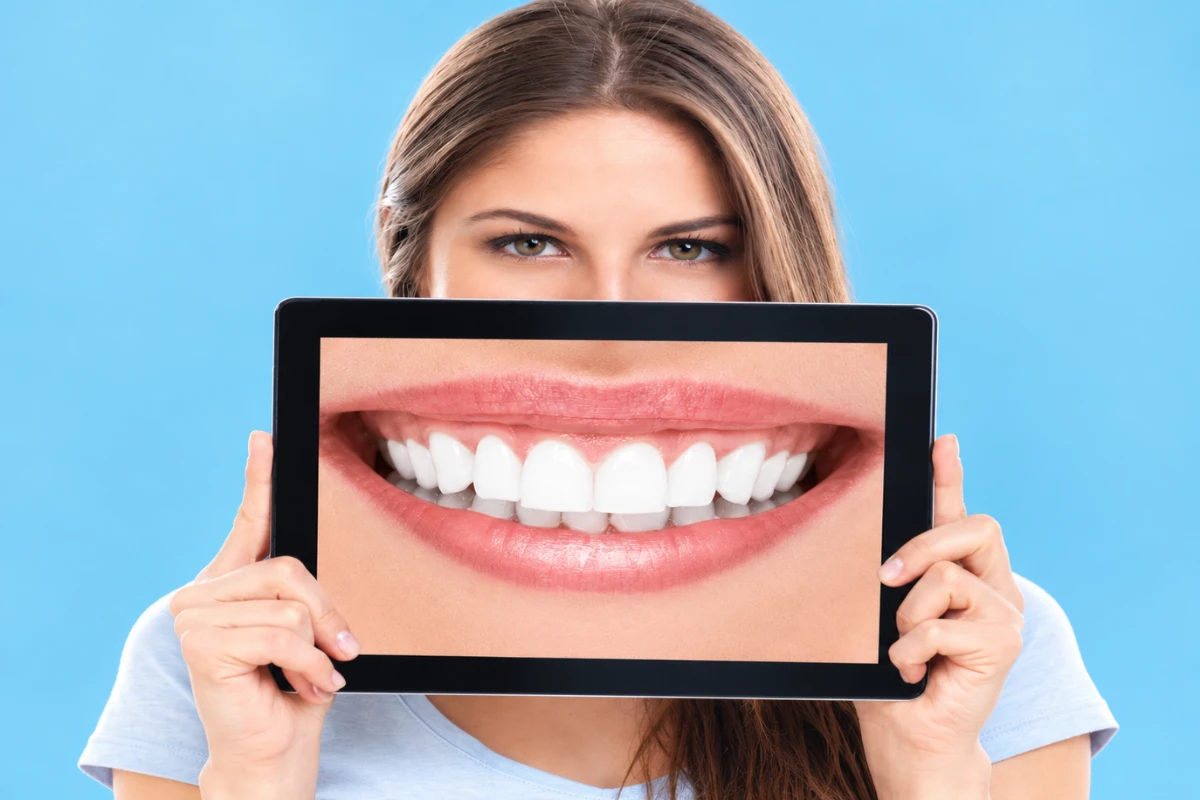
No. A digital smile preview is a planning tool, not a promise of the final appearance.
The actual outcome can differ because of factors such as:
- Natural variations in tooth colour, translucency, and surface texture.
- Gum health and the response of soft tissues.
- Bite alignment and functional requirements.
- Limitations of the scanning and design process.
- The materials and techniques used during treatment.
- Changes that become necessary after clinical examination or treatment planning.
A digital image may also look different depending on screen settings, lighting, and the angle of the photograph.
For this reason, patients should ask what the preview represents, which aspects of the proposed design are clinically achievable, and whether a physical mock-up or additional records would help assess the plan.
Who May Benefit from Digital Smile Design?
Digital smile design may be useful for patients who want to understand proposed changes before committing to cosmetic or restorative dental treatment.
It may be considered by people exploring veneers, crowns, orthodontics, or more comprehensive smile rehabilitation.
However, a patient may need to address active tooth decay, gum disease, infection, or other oral health concerns before cosmetic treatment is appropriate. Some patients may also achieve their goals through simpler or less invasive options.
A consultation helps determine whether digital smile design is relevant to the individual case.
Questions to Ask Before Choosing Digital Smile Design in Dubai
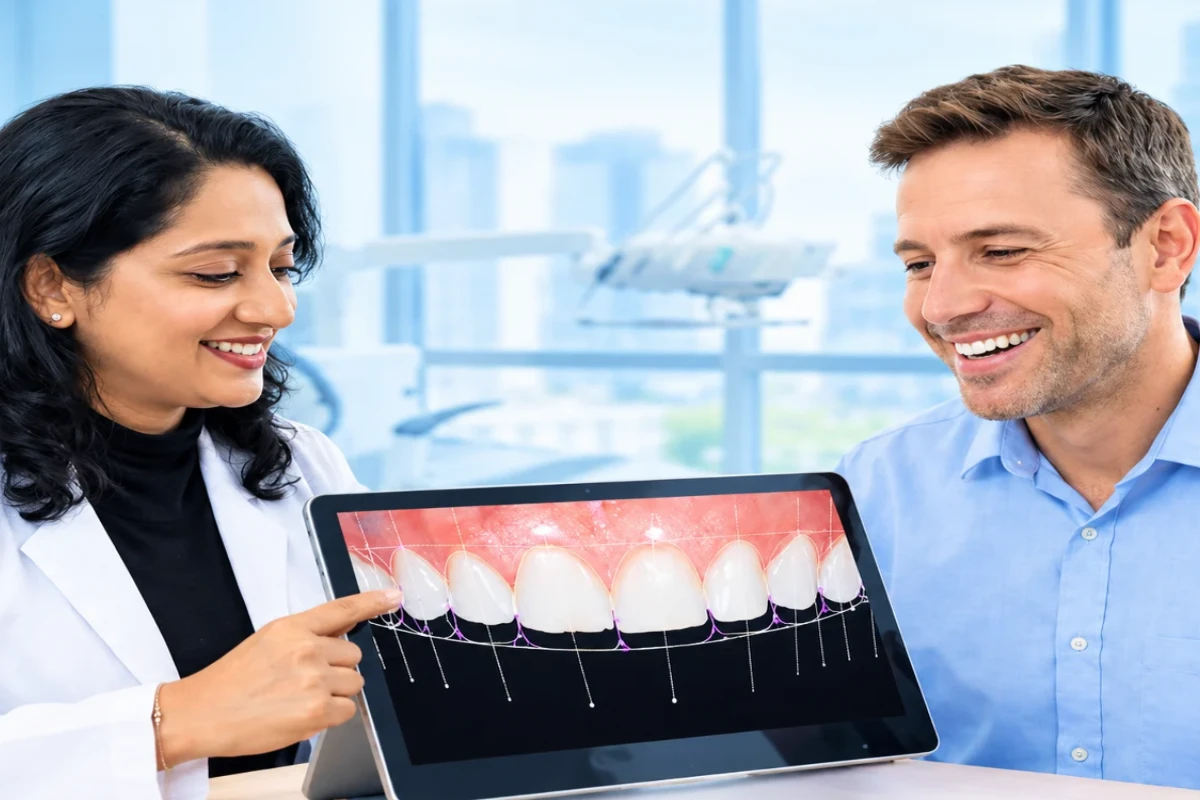
If you are considering digital smile design in Dubai, ask your dentist:
- Will my preview be based on photographs, 3D dental scans, facial scans, or a combination?
- What does the simulation show, and what cannot be predicted accurately?
- Will the proposed treatment affect healthy tooth structure?
- Are there less invasive alternatives?
- Can a temporary mock-up help me assess the proposed design?
- What are the risks, costs, maintenance needs, and expected lifespan of the proposed treatment?
- How will my bite and long-term oral health be considered?
- How will my photographs and digital scans be stored and protected?
Choose a properly licensed dental professional who explains the available options, discusses risks and alternatives, and gives you time to make an informed decision.
Conclusion
Digital Smile Design offers a visual way to explore possible changes to your smile before dental treatment begins. By combining photographs, digital scans, and design software, it can help patients and dentists discuss tooth proportions, appearance, and treatment options more clearly.
For patients considering digital smile design in Dubai, the most important step is to combine technology with a thorough dental assessment. A useful smile plan should consider appearance, bite function, oral health, long-term maintenance, and the patient’s individual preferences.
Frequently Asked Questions
1. What is digital smile design in Dubai?
Digital smile design is a technology-assisted dental planning process that uses photographs, scans, and design software to illustrate possible changes to a patient’s smile. The workflow varies by clinic and may use two-dimensional images, three-dimensional scans, or both.
2. Is 3D smile simulation accurate?
Three-dimensional scanning can provide useful information about tooth shape and facial relationships. However, accuracy depends on the records collected, the software, and clinical interpretation. The simulation is an approximation and cannot guarantee the final treatment outcome.
3. Can I see my new smile before getting veneers?
A digital preview may show a proposed appearance before veneer treatment. Some cases may also benefit from a temporary physical mock-up. The dentist must still assess tooth health, bite function, treatment suitability, and the amount of tooth preparation required.
4. Does digital smile design mean I need cosmetic dental treatment?
No. Digital smile design is a planning and communication tool, not a treatment in itself. Following an examination, the dentist may discuss cosmetic treatment, restorative care, orthodontics, simpler alternatives, or no treatment.
5. Is digital smile design suitable for everyone?
Not necessarily. Its usefulness depends on the patient’s concerns, oral health, proposed treatment, and the available digital records. A dental consultation can establish whether the technology would add value to the planning process.
6. Does digital smile design guarantee a perfect smile?
No. The preview illustrates a proposed design, but the final appearance depends on clinical factors, materials, treatment techniques, healing, and individual anatomy. Patients should receive a realistic explanation of the expected benefits, limitations, and risks.
Medical disclaimer: This article is for general educational purposes only and does not replace a dental examination, diagnosis, or personalised treatment advice. The suitability, risks, and results of dental procedures vary between individuals.
Editorial review before publication: A licensed dentist or the clinic’s medical director should review the clinical content, confirm any clinic-specific technology and service claims, and approve the final article in line with applicable UAE requirements.