

 Call Jumeirah
A straighter smile is not only about appearance. Proper tooth alignment can also support better oral hygiene, comfortable chewing, and long-term dental health.
When considering orthodontic treatment, many patients wonder: Should I choose Invisalign or traditional braces?
Both options are designed to gradually move teeth into better alignment, but they work differently and may suit different dental needs.
The right choice depends on several factors, including your orthodontic concerns, lifestyle, treatment goals, and the recommendations of your dental professional.
Understanding the differences between Invisalign and braces can help you have a more informed discussion about your teeth-straightening options.
What Is Orthodontic Treatment?
Orthodontic treatment focuses on correcting problems related to tooth alignment and jaw relationships.
Some common concerns treated with orthodontics include:
- Crowded teeth
- Gaps between teeth
- Overbite
- Underbite
- Crossbite
- Teeth that are rotated or positioned incorrectly
When teeth are not properly aligned, some people may find it more difficult to clean certain areas, which can contribute to plaque buildup and gum concerns.
Orthodontic treatment works by applying controlled pressure over time to gradually guide teeth into their planned positions.
What Is Invisalign?
Invisalign is a type of orthodontic treatment that uses a series of clear, removable aligners to move teeth.
These aligners are custom-made using digital planning technology and are designed to fit closely over your teeth.
Unlike traditional braces, Invisalign does not use metal brackets and wires. Instead, patients wear a sequence of clear trays that are changed periodically according to their treatment plan.
Many people consider Invisalign in Dubai because the aligners are less noticeable and can fit more easily into their daily routine.
What Are Traditional Braces?
Traditional braces use metal or ceramic brackets attached to the teeth, connected by wires that apply gradual pressure to move teeth.
They have been used for many years and remain an effective option for treating a wide range of orthodontic concerns.
Traditional braces allow orthodontists to make precise adjustments throughout treatment and may be recommended for cases that require more complex tooth movement.
Invisalign vs Braces: Understanding the Key Differences
Both Invisalign and braces aim to improve tooth alignment, but there are several differences patients often consider.
1. Appearance and Visibility
One of the biggest differences between Invisalign and traditional braces is how noticeable they are.
Invisalign
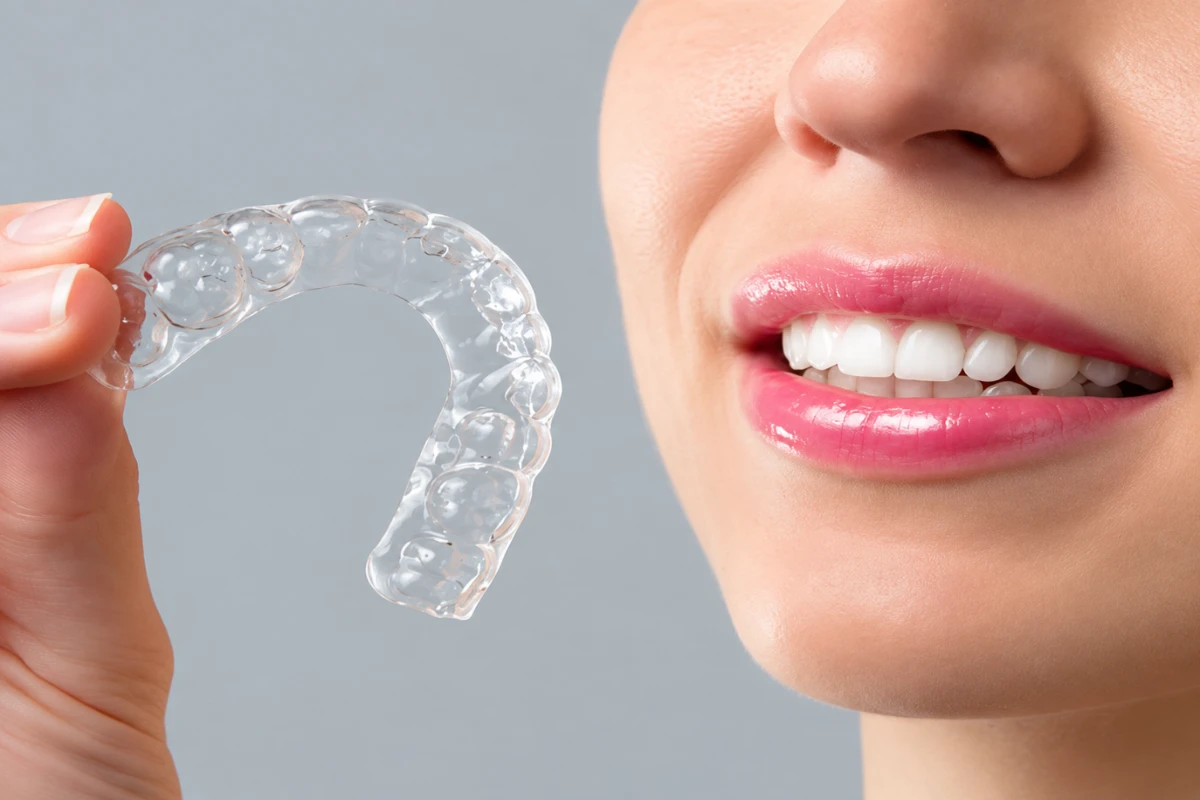
Clear aligners are designed to be discreet. Since they are transparent, many people find them less noticeable during everyday activities such as:
- Working
- Attending meetings
- Socialising
- Taking photographs
Traditional Braces
Traditional metal braces are more visible because of the brackets and wires attached to the teeth.
Ceramic braces may offer a less noticeable alternative because they use tooth-coloured materials, depending on the case.
2. Comfort and Daily Experience
Orthodontic treatment involves applying pressure to gradually move teeth, so some temporary discomfort can occur with both options.
Invisalign
Clear aligners may feel smoother because they do not have metal brackets or wires that can irritate the cheeks and lips.
However, patients may experience temporary pressure or tightness when starting a new set of aligners.
Traditional Braces
Some patients may experience irritation from brackets or wires, especially during the initial adjustment period.
Orthodontic wax and routine adjustments can help manage common sources of discomfort.
3. Removable vs Fixed Treatment
This is another important difference between Invisalign and braces.
Invisalign
Aligners can be removed while:
- Eating
- Drinking certain beverages
- Brushing
- Flossing
However, successful treatment depends on wearing them as advised by your dental professional.
Traditional Braces
Braces remain attached throughout treatment, meaning patients do not need to remember to put them back after meals.
However, maintaining oral hygiene around brackets and wires requires extra care.
4. Food Restrictions
Diet changes are often considered when choosing orthodontic treatment.
With traditional braces, patients may need to avoid certain hard or sticky foods that can damage brackets or wires.
Examples may include:
- Hard sweets
- Sticky foods
- Certain crunchy foods
With Invisalign, aligners are removed during meals, allowing patients to eat more normally while maintaining proper cleaning habits.
5. Cleaning and Oral Hygiene
Keeping teeth clean during orthodontic treatment is important.
Invisalign
Since aligners are removable, brushing and flossing can usually continue more easily compared with fixed braces.
Patients still need to clean their aligners regularly and maintain good oral hygiene.
Traditional Braces
Cleaning around brackets and wires requires more attention because food particles can become trapped around orthodontic components.
6. Treatment Duration
The duration of orthodontic treatment varies from person to person.
It depends on:
- The complexity of tooth movement required
- The severity of alignment concerns
- Patient compliance
- The treatment plan
Some mild cases may require a shorter treatment period, while more complex cases may take longer.
A dental professional can provide a more accurate estimate after evaluating your teeth.
Is Invisalign Suitable for Everyone?
Invisalign can be an effective option for many orthodontic concerns, including:
- Mild to moderate crowding
- Certain spacing issues
- Some bite concerns
- Teeth alignment corrections
However, not every orthodontic case is suitable for clear aligners alone.
More complex tooth movements may sometimes require other orthodontic approaches.
A proper assessment helps determine whether Invisalign is appropriate for your specific needs.
Are Traditional Braces Still a Good Option?
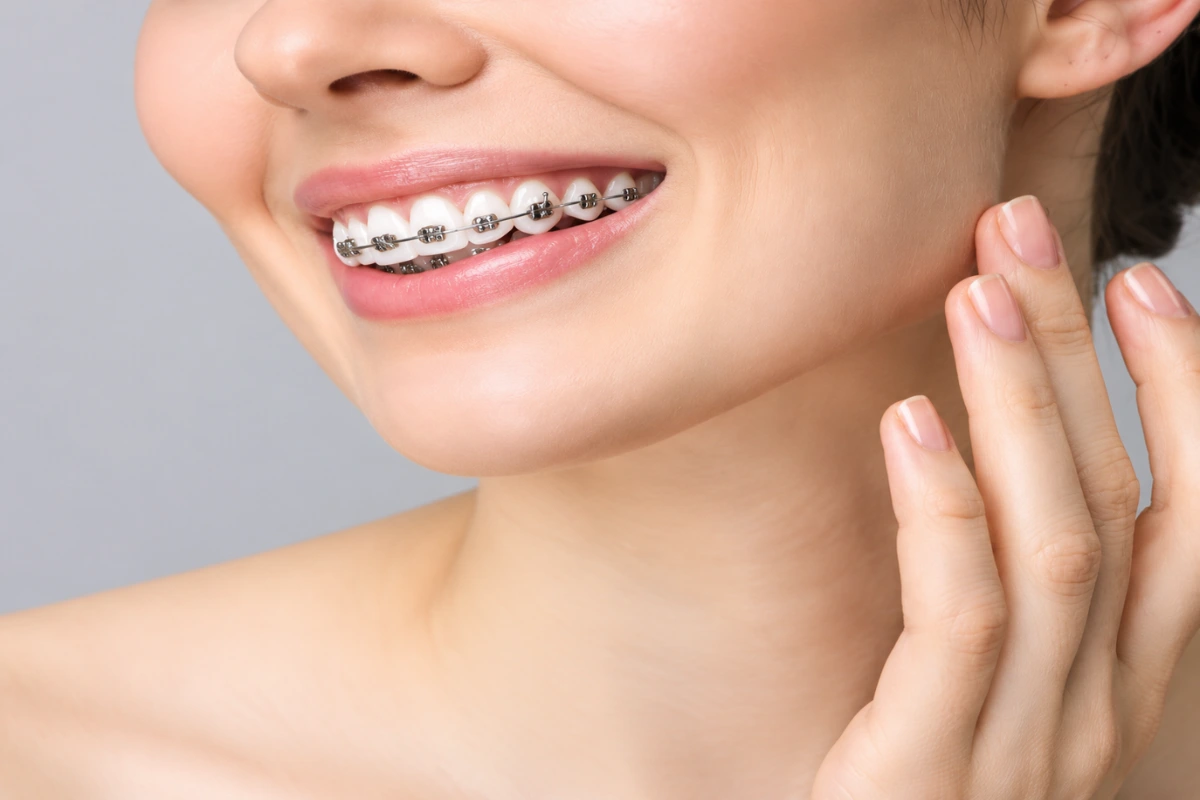
Yes. Traditional braces continue to be widely used because they can effectively address many types of orthodontic problems.
They may be considered when:
- Significant tooth movement is required
- Complex bite correction is needed
- Fixed treatment is preferred
The choice is not about one option being better for everyone. It is about selecting the approach that matches the patient’s dental requirements.
What Factors Affect Clear Aligners Cost in Dubai?
Many patients searching for clear aligners cost in Dubai want to understand what influences pricing.
The cost of treatment can vary depending on:
- Complexity of tooth alignment
- Number of aligners required
- Duration of treatment
- Type of orthodontic system used
- Additional dental procedures needed before or during treatment
A personalised consultation is required because orthodontic treatment is planned according to each patient’s individual needs.
How Is the Right Treatment Option Decided?
Choosing between Invisalign and braces involves more than considering appearance alone.
A dental professional will usually evaluate:
- Your tooth alignment
- Bite relationship
- Jaw function
- Oral health condition
- Treatment goals
- Lifestyle preferences
At Dentistree, orthodontic consultations focus on understanding the patient’s concerns, examining their dental condition, and discussing suitable treatment options based on their individual requirements.
The aim is to help patients understand their choices clearly before starting orthodontic treatment.
What Happens During an Invisalign Consultation?
During an Invisalign consultation, the dental team may:
- Examine your teeth and bite
- Discuss your smile concerns and expectations
- Assess whether clear aligners are suitable
- Explain the expected treatment process
- Discuss care instructions and maintenance
Digital scans or other diagnostic records may be used to support treatment planning.
Caring for Invisalign Aligners
If you choose Invisalign, maintaining proper care is important.
Helpful habits include:
- Wear aligners according to professional guidance
- Clean aligners regularly
- Remove aligners while eating
- Brush before placing them back
- Store them safely when not in use
Following the recommended routine can help support the progress of treatment.
Final Thoughts
Choosing between Invisalign and traditional braces is an important decision that depends on your dental needs, lifestyle, and treatment expectations.
Clear aligners may appeal to patients looking for a more discreet orthodontic option, while traditional braces remain a reliable choice for many complex alignment concerns.
If you are considering Invisalign in Dubai, a dental consultation can help you decide which orthodontic approach best fits your smile and oral health goals.
At Dentistree, the focus is on patient education, careful assessment, and personalised orthodontic planning to help patients make informed decisions about their dental care.
Frequently Asked Questions
1. Is Invisalign better than braces?
Neither option is universally better. Invisalign and braces have different advantages, and the right choice depends on your dental condition and treatment goals.
2. Is Invisalign painful?
Some pressure or mild discomfort is common when teeth begin moving or when switching to a new aligner set. This usually improves as your mouth adjusts.
3. How much does Invisalign cost in Dubai?
The cost varies depending on the complexity of your case, treatment duration, and the number of aligners required. A dental consultation is needed for an accurate estimate.
4. Can adults get Invisalign?
Yes. Many adults choose Invisalign because of its discreet appearance and flexibility. Suitability depends on the individual dental assessment.
5. Can I eat normally with Invisalign?
Since Invisalign aligners are removable, patients can generally eat without the same food restrictions associated with fixed braces. Aligners should be removed during meals and cleaned before wearing them again.