

 Call Jumeirah
Healthy gums are the foundation of a healthy smile. While most people focus on keeping their teeth white and cavity-free, the condition of the gums plays an equally important role in long-term oral health. At Dentistree Dental clinic, we often remind patients that gum problems can begin quietly, with mild bleeding or swelling that is easy to overlook. Learning how to prevent gingivitis early can help protect your teeth, gums, and overall oral comfort.
Healthy gums do not happen by chance; they are built through daily habits, regular professional care, and early attention to warning signs. If you want to keep your smile strong and avoid future gum problems, this guide will help you understand the most effective ways to care for your gums every day.
Why Gum Health Matters More Than Most People Realise
Your gums do much more than frame your smile. They support and protect the tissues around your teeth, create a seal against bacteria, and help keep your teeth stable in the jaw. When the gums are healthy, they sit firmly around the teeth, appear pink and firm, and do not bleed during brushing or flossing.
When gum health starts to decline, the early signs are often subtle. You may notice:
- Mild bleeding while brushing
- Slight swelling near the gum line
- Redness
- Tenderness
- Bad breath
- A feeling that the gums look “puffy”
These early symptoms may seem minor, but they often signal gingivitis, the earliest stage of gum disease. The good news is that gingivitis is usually reversible when addressed early.
What Is Gingivitis?
Gingivitis is a mild but important form of gum inflammation caused by plaque buildup along the gum line. Plaque is a sticky layer of bacteria that forms on the teeth throughout the day. If it is not removed effectively, it can irritate the gums and trigger inflammation.
Unlike more advanced gum disease, gingivitis usually does not involve permanent damage to the bone or deeper tissues at this stage. That is why early care matters so much. With the right oral hygiene routine and regular professional cleanings, many patients can reverse gingivitis before it progresses.
What Causes Gingivitis?
The most common cause of gingivitis is poor plaque control. But several everyday habits and health factors can increase the risk.
These include:
- Inconsistent brushing
- Not flossing regularly
- Tartar buildup near the gums
- Smoking or tobacco use
- Mouth breathing
- Dry mouth
- Poorly fitting dental restorations
- Hormonal changes
- Diabetes
- Stress
- Certain medications that affect gum health
Even patients who brush every day can develop gingivitis if plaque is not removed properly from the gum line or between the teeth.
The Best Daily Habits for Healthy Gums

If you are looking for practical healthy gums tips, the best place to start is with your daily routine. Small habits done consistently are what make the biggest difference over time.
1. Brush Gently but Thoroughly Twice a Day
Brushing twice daily is essential, but technique matters just as much as frequency. Many patients brush the front surfaces well but miss the gum line, where plaque tends to collect.
Use a soft-bristled toothbrush and angle it slightly toward the gums. Gentle circular motions are usually better than aggressive scrubbing. Brushing too hard can irritate the gums and even contribute to recession over time.
2. Floss Every Day
Brushing alone cannot clean the tight spaces between teeth. This is where plaque often stays hidden and where gingivitis commonly begins.
Flossing once a day helps remove debris and plaque from areas your toothbrush cannot reach. If traditional floss feels difficult, floss picks or interdental brushes may be easier alternatives depending on the spacing of your teeth.
3. Do Not Ignore Bleeding Gums
One of the biggest mistakes patients make is stopping flossing because the gums bleed. In most cases, bleeding is not a sign to stop it is a sign that the gums are inflamed and need better cleaning.
If the bleeding continues despite regular cleaning, it is important to see your dentist for an evaluation.
4. Use the Right Toothbrush and Replace It Regularly
A soft-bristled brush is usually best for protecting both enamel and gums. Worn bristles are less effective and can become harsh on the gum line, so toothbrushes should be replaced every 3 months or sooner if the bristles spread out.
How Diet Affects Gum Health
Many patients do not realise that diet also plays a role in gum health. A diet high in sugary snacks, sticky foods, and frequent snacking can increase plaque formation and bacterial activity in the mouth.
To support healthier gums:
- Reduce frequent sugar exposure
- Drink more water
- Limit sticky processed snacks
- Include crunchy fruits and vegetables
- Support overall nutrition with a balanced diet
- Avoid smoking and tobacco
Hydration is also important. A dry mouth can reduce the protective role of saliva, which normally helps wash away food particles and balance oral bacteria.
Professional Cleanings Are Essential
Even with excellent brushing and flossing, plaque can harden into tartar over time. Once tartar forms, it cannot be removed at home. It must be professionally cleaned by a dentist or hygienist.
Routine dental cleanings help by:
- Removing plaque and tartar near the gum line
- Reducing bacterial buildup
- Allowing early detection of gum inflammation
- Improving breath freshness
- Supporting better gum healing
This is one of the most important answers to the question of how to maintain healthy gums over the long term. Home care is essential, but professional maintenance completes the picture.
Early Warning Signs You Should Not Ignore
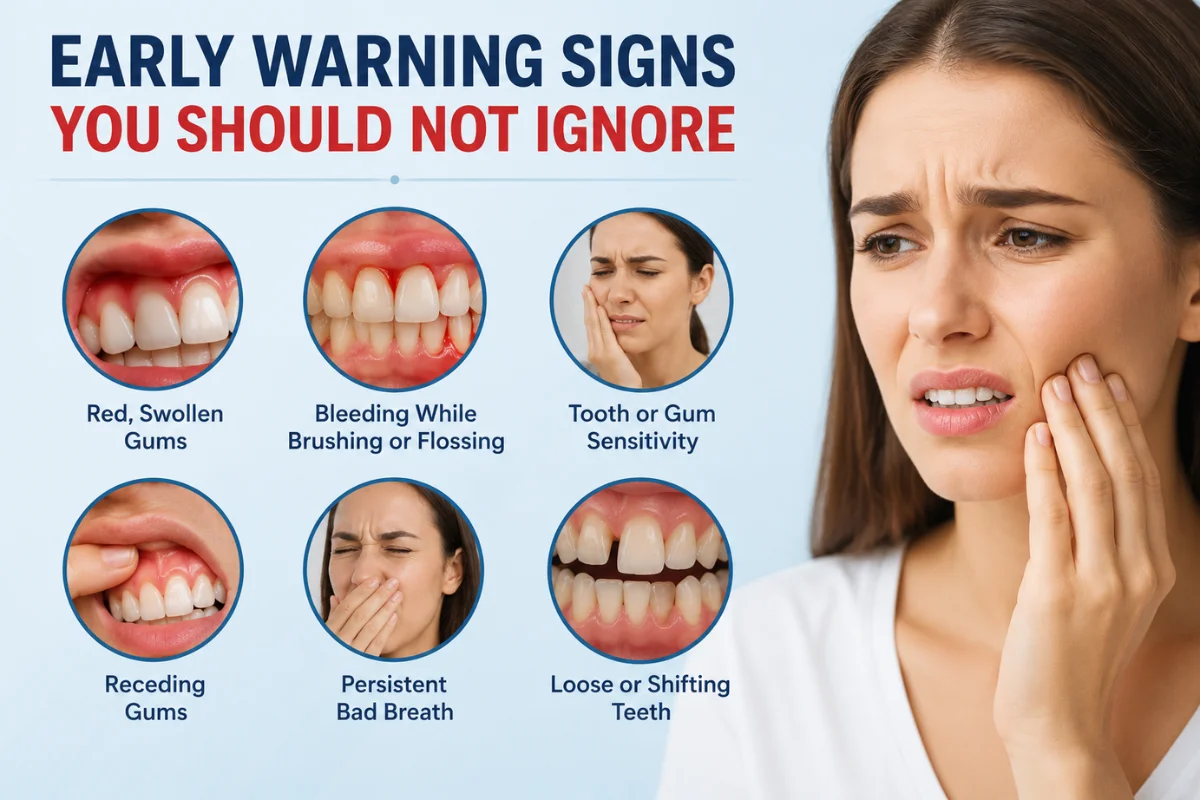
Gingivitis often starts with symptoms that patients assume are minor. But these early signs should not be dismissed.
Watch for:
- Bleeding while brushing or flossing
- Red or swollen gums
- Persistent bad breath
- Tender gums
- Gums that look puffy
- Sensitivity near the gum line
- Plaque or tartar buildup that you can see near the gums
If you notice any of these, it is better to schedule a dental check-up sooner rather than later. Early care is simpler, more comfortable, and usually easier to manage.
What Happens If Gingivitis Is Ignored?
If gingivitis is not treated, it can progress into periodontitis, which is a more serious form of gum disease. At this stage, the infection begins affecting the deeper tissues and bone that support the teeth.
This can lead to:
- Gum recession
- Deeper gum pockets
- Chronic inflammation
- Bone loss
- Loose teeth
- Bite changes
- Increased risk of tooth loss
This is why gingivitis prevention tips matter so much. The earlier you act, the easier it is to protect your gums before long-term damage begins.
Simple Lifestyle Changes That Help Protect Your Gums
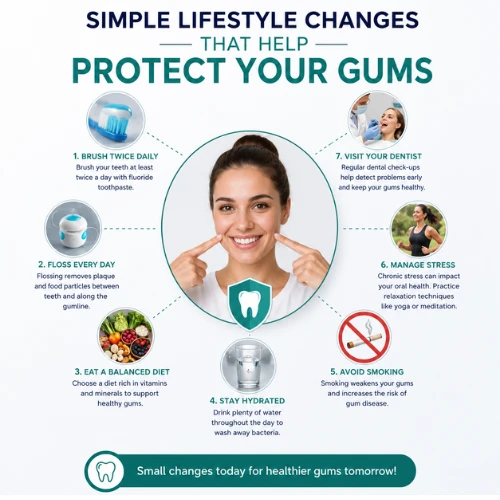
Beyond brushing and flossing, a few practical changes can make a noticeable difference:
Stay Consistent With Dental Visits
Do not wait for pain to schedule an appointment. Gum disease often progresses without obvious pain in the early stages.
Stop Smoking
Smoking is one of the biggest risk factors for gum disease. It affects healing, reduces blood flow to the gums, and can mask early signs of inflammation.
Manage Teeth Grinding
Grinding can place extra stress on the teeth and supporting tissues. If you clench or grind, a night guard may help protect your oral structures.
Address Crowded Teeth or Poorly Fitting Dental Work
Crowded areas and rough restoration margins can trap plaque more easily. In some cases, correcting these issues can improve gum health significantly.
When to Seek Professional Help
If your gums bleed regularly, feel swollen, or you notice bad breath that does not improve with brushing, it is time for a dental evaluation. Gum inflammation is easier to treat when caught early.
If gingivitis has already progressed or there are signs of deeper gum disease, professional treatment may include:
- Deep cleaning
- Scaling and root planing
- More frequent hygiene visits
- Monitoring gum pocket depth
- Personalised home care recommendations
For patients looking for gum disease treatment in Dubai, choosing a clinic that focuses on both early diagnosis and long-term gum health is important.
Why Choose DentisTree for Gum Health Care?
We believe healthy gums are the starting point for a healthy smile. Our approach is focused on prevention, early detection, and patient education so you understand what your gums need before small issues become bigger problems.
Whether you have occasional bleeding gums, plaque buildup, or early signs of inflammation, our team provides gentle, practical care designed to protect your oral health over time. We help patients build routines that are realistic, effective, and tailored to their needs.
Final Thoughts
Healthy gums do not require complicated routines, but they do require consistency. Daily brushing, flossing, regular cleanings, and early attention to warning signs can go a long way in preventing gingivitis and protecting your smile.
Contact us on WhatsApp for quick assistance:
📍 Al Barsha Branch: +971 58 581 5201
📍 Jumeirah Branch: +971 56 608 4766
If you have noticed bleeding gums, swelling, or persistent bad breath, do not ignore it. We help patients protect their gum health with preventive care and timely treatment. Book your consultation today.