

 Call Jumeirah
A brighter smile can make a noticeable difference in how you look and how confidently you speak, laugh, and interact every day. Over time, teeth can lose their natural brightness due to coffee, tea, smoking, ageing, and everyday food stains. At DentisTree Dental Clinic, we often meet patients who want whiter teeth but feel unsure about which treatment is safe, effective, and worth the investment. Understanding modern tooth whitening procedures can help you choose an option that suits both your smile goals and your lifestyle.
Whitening is not just about making teeth look brighter for a few days; it is about choosing the right method, protecting your enamel, and understanding how long your results can realistically last. If you are considering a brighter smile, this guide will help you compare the most popular whitening options and what to expect from each one.
Why Teeth Become Discoloured Over Time
Before choosing a whitening treatment, it helps to understand why teeth lose brightness in the first place. Tooth discolouration can happen for several reasons, and not all stains respond the same way.
Common Causes of Tooth Staining
- Coffee and tea
- Red wine
- Smoking or tobacco use
- Dark-coloured foods and sauces
- Poor plaque control
- Age-related enamel thinning
- Certain medications
- Trauma to a tooth
- Internal staining from previous dental issues
Some stains are extrinsic, which means they sit on the outer surface of the enamel and are often easier to improve. Others are intrinsic, which means they affect deeper tooth structure and may need more advanced treatment than simple whitening.
This is why a proper dental assessment matters before choosing any whitening method.
What Is Teeth Whitening?
Teeth whitening is a cosmetic dental treatment designed to lighten the colour of natural teeth by reducing stains and brightening enamel. Whitening treatments typically use peroxide-based agents that break down stain molecules and make the tooth shade appear lighter.
It is important to understand that whitening works on natural tooth structure. It does not whiten:
- Crowns
- Veneers
- Fillings
- Bonding material
- Dental implants
That is why treatment planning is important, especially if you have visible dental restorations in your smile zone.
Professional Whitening vs At-Home Products
Many patients first try over-the-counter strips, whitening toothpaste, or internet-purchased kits before considering dental treatment. While these may help with mild surface staining in some cases, they often do not deliver the same level of safety, control, or consistency as professional teeth whitening.
The difference usually comes down to:
- Stronger and more controlled whitening agents
- Better gum protection
- Personalised recommendations
- Safer application
- More predictable results
- Better guidance if you have sensitivity or existing dental work
Professional whitening is not just about a stronger product. It is about using the right product in the right way for your teeth.
Top Tooth Whitening Procedures Available Today
There is no single whitening method that suits every patient. The best choice depends on your staining pattern, tooth sensitivity, time expectations, and desired result.
1. In-Clinic Professional Whitening
This is one of the most popular and effective whitening options. In-clinic whitening is performed by a dental professional using a high-strength whitening gel applied under controlled conditions. Protective measures are taken to shield the gums and soft tissues before the whitening agent is used.
Why Patients Choose It:
- Faster visible results
- Professionally monitored treatment
- Stronger whitening effect than most home kits
- Ideal for patients who want a noticeable improvement in a shorter time
Best For:
- Moderate to heavier staining
- Patients preparing for events or photos
- Patients who want quicker cosmetic improvement
This is often one of the best teeth whitening methods for patients looking for a more dramatic and immediate enhancement.
2. Custom Take-Home Whitening Trays From the Dentist
This method involves professionally made custom trays designed to fit your teeth closely. You are given a dentist-approved whitening gel and instructions on how long to wear the trays over a series of days or weeks.
Why Patients Choose It:
- More gradual and controlled whitening
- Custom fit for better gel distribution
- Often more comfortable than generic trays
- Can be easier for patients who prefer flexibility at home
Best For:
- Patients who want gradual improvement
- Patients with mild to moderate staining
- Patients who want professional guidance but prefer home convenience
3. Whitening Toothpaste and Surface Stain Management
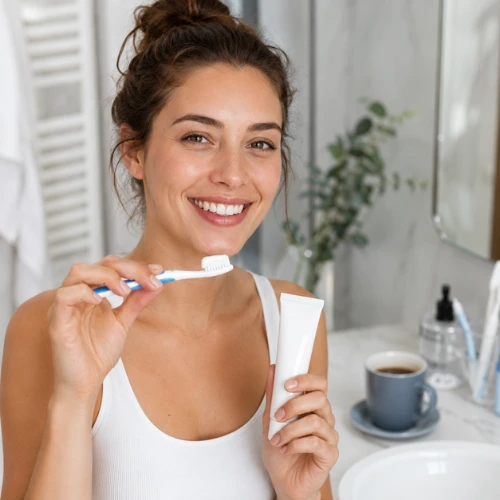
Whitening toothpaste does not usually change the internal colour of the tooth the way peroxide-based whitening does. Instead, it mainly helps reduce surface stains through polishing agents or mild stain-lifting ingredients.
Why Patients Use It:
- Easy daily use
- Helpful for maintenance after whitening
- Can reduce minor surface staining
Limitations:
- Limited effect on deeper stains
- Not a substitute for true whitening treatment
- Some abrasive formulas may not be ideal for long-term overuse
4. Internal Whitening for a Darkened Non-Vital Tooth
In some cases, a single tooth becomes darker after trauma or root canal treatment. This type of discolouration may require internal whitening rather than standard external whitening.
Best For:
- One tooth that looks darker than the others
- Discolouration after trauma or root canal treatment
This should always be assessed by a dentist, as not all dark teeth are suitable for whitening.
How Long Do Teeth Whitening Results Last?
This is one of the most important questions patients ask. The answer depends on the type of whitening, your habits, and how well you maintain your results.
The teeth whitening lasting effects vary based on factors such as:
- Coffee and tea intake
- Smoking or vaping
- Oral hygiene habits
- Frequency of staining foods
- Enamel quality
- Whether you do maintenance top-ups
- Type of whitening used
General Expectations
- In-clinic whitening: Results may last several months to a few years, depending on habits and maintenance
- Custom tray whitening: Can also last well with good upkeep and occasional top-up use
- Whitening toothpaste: Best used for maintenance rather than major whitening
No whitening result is permanent. Teeth continue to be exposed to staining every day, so maintenance matters.
How to Make Whitening Results Last Longer
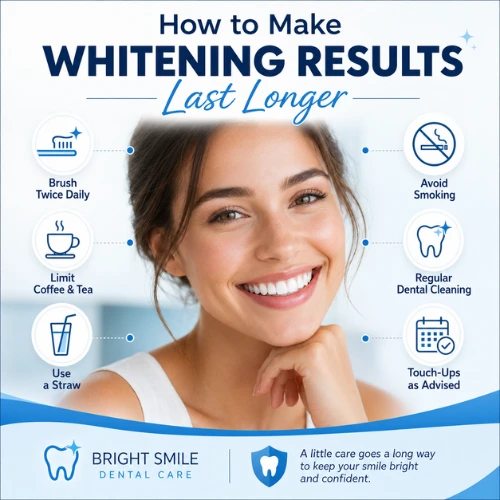
If you want your whitening to last, the treatment itself is only part of the process. Your daily habits play a major role.
Tips to Maintain a Brighter Smile
- Brush twice daily
- Floss regularly
- Attend regular professional cleanings
- Reduce smoking or tobacco use
- Rinse after coffee, tea, or dark-coloured drinks
- Use a straw for stain-heavy beverages when possible
- Avoid frequent exposure to highly pigmented foods immediately after whitening
- Ask your dentist about safe maintenance options
The first 24 to 48 hours after whitening are especially important because teeth may be more prone to re-staining during this period.
Is Whitening Safe for Everyone?
Teeth whitening is generally safe when properly planned and professionally supervised, but it is not ideal for every patient in every situation.
Whitening may not be recommended if you have:
- Untreated cavities
- Active gum inflammation
- Significant tooth sensitivity
- Exposed root surfaces
- Cracked teeth
- Large visible restorations that will not change colour
- Severe internal staining that may need another cosmetic approach
This is why a dental consultation should come before whitening not after.
What About Sensitivity After Whitening?
Some patients experience temporary sensitivity after whitening, especially if they already have thinner enamel or exposed dentin. This is usually short-term and manageable.
Your dentist may recommend:
- Desensitising toothpaste
- A gentler whitening protocol
- Spacing out sessions
- Avoiding extreme hot or cold foods temporarily
The goal is not just a whiter smile, but a comfortable and healthy one.
When Whitening May Not Be the Best Option
Whitening is effective for many patients, but not all discolouration responds equally. If the staining is deep, uneven, or linked to previous dental treatment, other cosmetic options may be more appropriate.
These may include:
- Bonding
- Veneers
- Replacing old discoloured fillings
- Internal whitening for one dark tooth
- Combination cosmetic treatment
A good dentist will not recommend whitening just because it is popular. They will recommend what suits your smile best.
Why Choose DentisTree for Teeth Whitening?
If you are considering teeth whitening in Dubai, choosing the right clinic is just as important as choosing the right whitening method. We focus on whitening treatments that are safe, customised, and designed for natural-looking results rather than an artificial “over-bleached” look.
Our team evaluates your enamel, existing restorations, stain type, and sensitivity level before recommending the most suitable option. Whether you want a quick in-clinic brightening session or a more gradual professional home-based approach, we help you choose a whitening plan that fits your smile and your expectations.
Final Thoughts
Teeth whitening can be a simple and effective way to refresh your smile, but the best results come from choosing the right treatment for your teeth, your lifestyle, and your long-term goals. A brighter smile should look natural, feel comfortable, and be supported by healthy enamel and good oral care.
Contact us on WhatsApp for quick assistance:
📍 Al Barsha Branch: +971 58 581 5201
📍 Jumeirah Branch: +971 56 608 4766
If you are thinking about whitening your teeth, the first step is a proper consultation. We help you choose safe, personalised whitening options designed for lasting, confident results. Book your consultation today.