

 Call Jumeirah
A brighter smile can make you feel more confident in photographs, meetings, social events, and everyday conversations. However, once you decide to improve your smile, the next question is often:
Should I choose teeth whitening or dental veneers?
Both treatments can improve the appearance of your teeth, but they work in very different ways.
Teeth whitening mainly improves the colour of natural teeth. Veneers can improve the colour, shape, size, alignment, and overall balance of your smile.
The right choice depends on what you would like to change, the condition of your teeth, your expectations, your budget, and how long you want the results to last.
In this guide, we explain the differences between teeth whitening and veneers in Dubai, helping you understand which option may be more suitable for your smile.
What Is Professional Teeth Whitening?
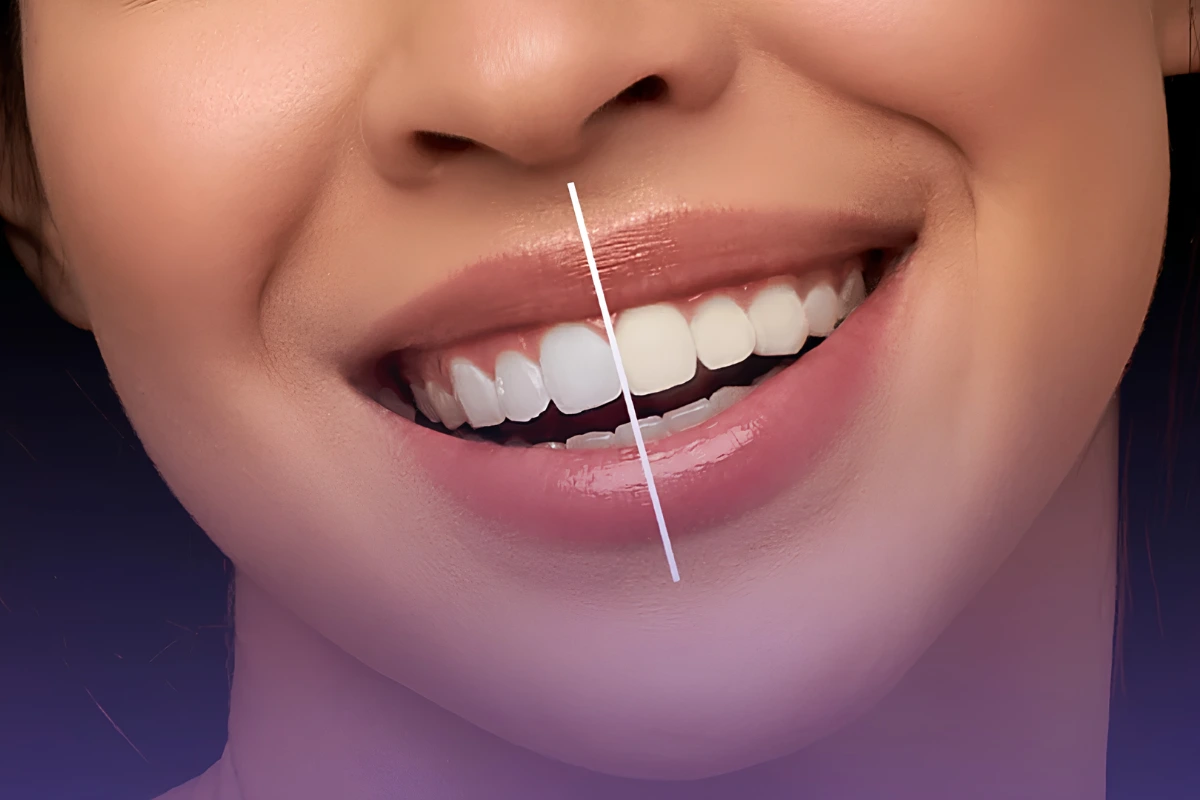
Professional teeth whitening is a cosmetic dental treatment used to lighten stains and discolouration on natural teeth.
Whitening products usually contain hydrogen peroxide or carbamide peroxide. These ingredients break down stain molecules, making the colour of the teeth appear lighter and brighter.
Depending on your dental needs, your dentist may recommend:
- In-clinic teeth whitening
- Dentist-supervised home whitening trays
- A combination of clinic and home whitening
- Whitening for a single dark tooth after root canal treatment
Professional whitening is generally most effective for stains caused by:
- Coffee and tea
- Smoking or tobacco use
- Coloured foods and drinks
- Natural ageing
- General yellowing of the teeth
Whitening can be a good option when you are happy with the shape and position of your teeth but would like them to look cleaner, fresher, and brighter.
What Are Dental Veneers?
Dental veneers are thin, custom-made coverings placed over the front surface of the teeth.
They are designed to improve the appearance of teeth affected by:
- Deep discolouration
- Chips or minor fractures
- Small gaps
- Uneven tooth shapes
- Teeth that appear too small
- Mild irregularities in alignment
- Worn or misshapen teeth
Unlike whitening, veneers do not chemically lighten the natural tooth. Instead, they cover the visible surface of the tooth with a carefully selected shade and shape.
The two most common types are porcelain veneers and composite veneers.
Porcelain Veneers
Porcelain veneers are custom-made ceramic shells designed to fit over the front of individual teeth.
They are known for their natural appearance, strength, durability, and resistance to staining. Their colour, translucency, and shape can be personalised to complement your facial features and surrounding teeth.
People researching porcelain veneers in Dubai often want a more comprehensive and long-lasting improvement than whitening alone can provide.
Composite Veneers
Composite veneers are created using tooth-coloured resin that is applied and shaped directly onto the tooth.
They may require fewer appointments and, in some cases, less enamel preparation. They can also be easier to repair if chipped. However, composite material is generally less resistant to staining and wear than porcelain.
Veneers vs Teeth Whitening: What Is the Main Difference?
The simplest way to understand the difference is:
Teeth whitening changes the shade of your natural teeth.
Veneers change the visible appearance of the teeth, including their colour, shape, size, and symmetry.
If your only concern is yellow or stained teeth, whitening may be enough.
If you are concerned about several aspects of your smile, such as colour, gaps, chipped edges, uneven shapes, or small teeth, veneers may offer a more complete transformation.
Teeth Whitening vs Veneers: Quick Comparison
| Feature | Teeth Whitening | Dental Veneers |
| Main purpose | Lightens the colour of natural teeth | Changes colour, shape, size, and appearance |
| Tooth preparation | Usually no enamel removal | Some enamel preparation may be required |
| Best suited for | General yellowing and surface stains | Deep stains, chips, gaps, worn or uneven teeth |
| Number of teeth | Usually several visible teeth | Can be one tooth or multiple teeth |
| Treatment time | Often one clinic visit or a supervised home course | Usually requires planning and multiple appointments |
| Longevity | Results require maintenance and occasional top-ups | Longer-lasting but may eventually need replacement |
| Stain resistance | Natural teeth can stain again | Porcelain is more stain-resistant |
| Reversibility | Does not permanently alter tooth shape | Most traditional veneers are not reversible |
| Cost | Usually more affordable | Higher investment due to custom design and materials |
| Ability to change shape | No | Yes |
When Is Teeth Whitening the Better Choice?
Professional whitening may be right for you when your teeth are healthy aligned, but their colour makes you feel self-conscious.
You may benefit from teeth whitening if:
1. Your Main Concern Is Yellow or Dull Teeth
If you are comfortable with the shape and position of your teeth, whitening may provide the improvement you need without changing the tooth structure.
2. You Want a More Conservative Treatment
Professional whitening does not usually require the removal of tooth enamel. It can lighten the shade while preserving the natural shape of the teeth.
3. You Want Results Before an Event
Whitening is popular before weddings, engagements, graduations, professional photographs, or important celebrations.
However, it is better to arrange your consultation early rather than booking immediately before the event. Some people experience temporary sensitivity after whitening.
4. You Are Exploring Cosmetic Dentistry for the First Time
Whitening can be a suitable starting point for patients who want a noticeable but relatively simple improvement.
5. You Have a Limited Cosmetic Concern
When colour is the only concern, placing veneers may be more treatment than you require. A cosmetic consultation can help determine whether whitening alone will meet your expectations.
When Are Veneers the Better Choice?
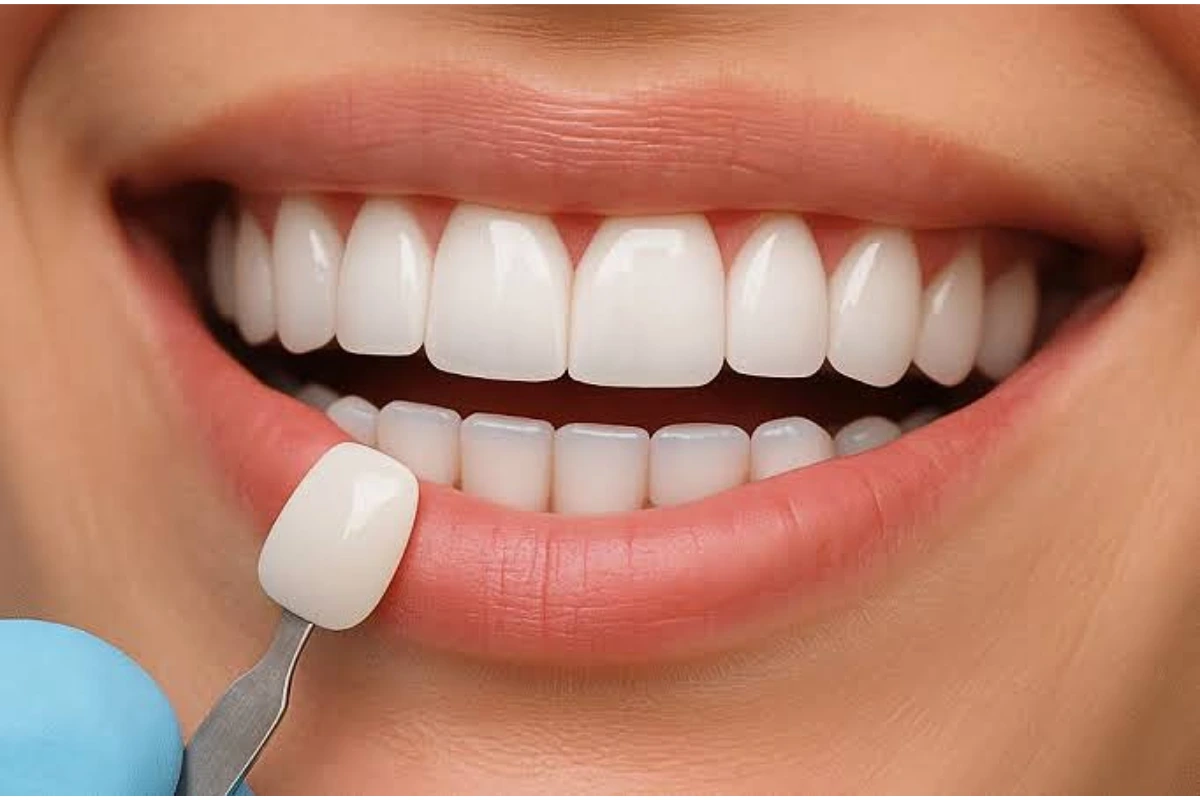
Veneers may be more suitable when whitening cannot address all the concerns affecting your smile.
You may consider dental veneers in Dubai if:
1. Your Teeth Have Deep or Resistant Discolouration
Not every type of discolouration responds well to whitening.
Yellow teeth often respond more predictably than brown or grey shades. Whitening may also be less effective when discolouration is associated with certain medications, dental trauma, or changes within the tooth.
Veneers can cover deep stains rather than attempting to bleach them.
2. You Want to Improve the Shape of Your Teeth
Whitening cannot make a short tooth look longer, repair a chipped edge, or create better symmetry.
Veneers can be individually designed to improve:
- Tooth length
- Tooth width
- Uneven edges
- Tooth proportions
- Overall smile balance
3. You Have Small Gaps Between Your Teeth
Veneers may help close selected small spaces between teeth.
Larger gaps or significant alignment concerns may require orthodontic treatment instead. A responsible veneers dentist in Dubai should assess your bite and tooth position before recommending cosmetic treatment.
4. Your Teeth Are Chipped or Worn
Veneers can cover minor chips and worn edges while creating a smoother, more even smile.
However, your dentist must first identify why the teeth have become worn. Teeth grinding, clenching, bite problems, or acid erosion may need to be managed before veneers are placed.
5. You Want a More Comprehensive Smile Makeover
A smile makeover in Dubai may include veneers when several cosmetic concerns need to be addressed together.
Rather than only lightening the teeth, veneers can create greater consistency in colour, size, shape, and symmetry across the visible smile.
Can Whitening Work on Crowns, Fillings, or Veneers?
No. Teeth whitening only changes the colour of natural tooth structure.
It does not lighten:
- Dental crowns
- Existing veneers
- Tooth-coloured fillings
- Bridges
- Dental implants
This is an important consideration if you have previous dental work on your front teeth. After whitening, an existing filling or crown may appear darker than the surrounding natural teeth.
Your dentist should examine existing restorations before treatment and explain whether they may need to be polished, adjusted, or replaced after whitening.
Are Veneers Permanent?
Traditional porcelain veneers are considered a long-term and generally irreversible treatment because a small amount of enamel is usually removed to create space and allow proper bonding.
Once a tooth has been prepared for a veneer, it will normally continue to require a veneer or another suitable restoration in the future.
Veneers can remain attractive for many years with good oral hygiene and regular dental care, but they are not expected to last forever. They may eventually need repair or replacement due to wear, chipping, changes in the gums, or accidental damage.
This is why veneer treatment should be carefully planned rather than treated as a quick cosmetic decision.
Does Teeth Whitening Cause Sensitivity?
Some patients experience temporary sensitivity during or after whitening.
You may notice sensitivity when drinking cold water, breathing through your mouth, or consuming hot or cold food. Mild gum irritation can also occur if whitening gel comes into contact with the gums.
These effects are usually temporary. A dentist may adjust the frequency of whitening, recommend sensitivity toothpaste, or change the amount or strength of gel being used.
Patients with existing decay, cracked teeth, exposed roots, gum problems, or severe sensitivity should have these concerns assessed before whitening begins.
Do Veneers Damage Natural Teeth?
Veneers do not actively damage healthy teeth when they are correctly planned and placed by a qualified dentist.
However, enamel preparation is usually required for traditional veneers, and the process is often irreversible. Teeth underneath veneers can still develop decay, particularly if oral hygiene is poor or the edges of the veneer are not kept clean.
Before receiving veneers, any tooth decay or gum disease should be treated. Placing veneers over unhealthy teeth can allow existing dental problems to become worse.
Regular brushing, cleaning between the teeth, professional check-ups, and dental cleanings remain essential after veneer treatment.
Can You Have Teeth Whitening and Veneers Together?
Yes. In some smile makeover plans, whitening and veneers are used together.
For example, you may choose to whiten your natural teeth first and then place veneers on one or more teeth that are chipped, uneven, or deeply discoloured.
Whitening is normally completed before the final veneer shade is selected. This allows the veneers to be matched to the new, brighter shade of the surrounding natural teeth.
Once porcelain veneers are placed, whitening products will not change their colour.
Your dentist should therefore plan the sequence carefully to create a consistent and natural-looking result.
What If You Grind or Clench Your Teeth?
Teeth grinding can place additional pressure on veneers and increase the risk of chipping, cracking, or loosening.
A deep bite or uncontrolled grinding may make veneers unsuitable until the underlying problem has been assessed.
Your dentist may recommend:
- A night guard
- Bite assessment
- Orthodontic treatment
- Repairing worn teeth
- Managing jaw tension or grinding habits
Protecting the veneers is just as important as designing them.
Whitening or Veneers: How Do You Decide?
Ask yourself what you want to change.
Whitening may be suitable when:
- You only want a brighter tooth colour
- Your teeth are healthy and reasonably well shaped
- Your stains are likely to respond to bleaching
- You want a more conservative option
- You understand that maintenance may be required
Veneers may be suitable when:
- Whitening has not corrected the discolouration
- Your teeth are chipped, worn, uneven, or misshapen
- You have selected small gaps
- You want to change both colour and shape
- You are comfortable with a long-term restorative commitment
- Your teeth and gums are healthy
Neither treatment should be selected only because of a photograph, social media trend, or someone else’s smile.
The most attractive result is not always the whitest or most uniform smile. It is the smile that suits your face, skin tone, lip movement, tooth proportions, and personal preferences.
What Happens During a Cosmetic Dental Consultation?
Before recommending whitening or porcelain veneers in Dubai, your dentist may assess:
- Tooth colour and type of staining
- Existing fillings, crowns, or veneers
- Gum health
- Tooth decay
- Enamel condition
- Tooth sensitivity
- Bite and jaw alignment
- Teeth grinding or clenching
- Smile line and facial proportions
- Your expectations from treatment
Photographs, digital scans, X-rays, or smile simulations may also be used when appropriate.
The purpose of the consultation is not simply to select a treatment. It is to understand what is causing the concern and choose the most conservative treatment that can safely achieve the desired improvement.
Why Choose Dentistree for Your Smile Consultation in Dubai?
At Dentistree, cosmetic dental treatment begins with understanding your concerns, not simply recommending the most extensive procedure.
Our dentists assess the health, function, colour, shape, and alignment of your teeth before discussing suitable treatment options.
Your personalised plan may include:
- Professional teeth whitening
- Composite bonding
- Composite veneers
- Porcelain veneers
- Gum contouring
- Orthodontic treatment
- Replacement of old restorations
- A combination of cosmetic treatments
Whether you are considering whitening or searching for a veneers dentist in Dubai, the goal is to create a healthy, balanced smile that feels natural to you.
Start With the Right Smile Assessment
Choosing between teeth whitening and veneers is easier when you clearly understand what each treatment can and cannot change.
Whitening may be the right choice when you simply want a brighter version of your natural smile.
Veneers may be considered when you want to improve several cosmetic concerns together, including colour, shape, size, wear, chips, or small gaps.
The best treatment is the one that achieves your goals while protecting as much healthy tooth structure as possible.
Considering teeth whitening or veneers in Dubai? Book a cosmetic dental consultation with Dentistree to receive a personalised assessment and treatment plan for your smile.
Frequently Asked Questions
1. Is teeth whitening better than veneers?
Neither treatment is automatically better.
Whitening is usually more suitable when your main concern is the colour of otherwise healthy and well-shaped teeth. Veneers may be more appropriate when you want to improve colour along with shape, size, chips, gaps, or symmetry.
2. Should I whiten my teeth before getting veneers?
In many cases, yes.
If some natural teeth will remain visible, whitening may be completed first. The veneer shade can then be matched to the lighter surrounding teeth.
3. Can veneers become stained?
Porcelain veneers are more resistant to staining than natural enamel, but their appearance can still be affected over time. The natural teeth around them can also change colour.
Good oral hygiene and limiting frequent exposure to strongly coloured foods, tobacco, coffee, and tea can help maintain the overall result.
4. Can I get veneers if I have gum disease?
Active gum disease should be treated before veneers are placed.
Healthy gums provide a more stable foundation and help the veneer margins look natural. Cosmetic treatment should not be used to cover untreated dental disease.
5. How many veneers do I need for a smile makeover?
The number depends on how many teeth are visible when you smile, which teeth need improvement, and whether other treatments are being combined.
Some patients need only one veneer for a damaged tooth. Others may require several veneers to create consistency across the smile.
6. Can crooked teeth be treated with veneers?
Veneers may camouflage very mild irregularities, but they are not a replacement for orthodontic treatment in every case.
Moderately or severely misaligned teeth may be better treated with braces or clear aligners before cosmetic work.
7. Is professional whitening safer than home remedies?
Dentist-supervised whitening allows your teeth, gums, restorations, and sensitivity risk to be assessed before treatment.
Unsupervised remedies containing abrasive or acidic ingredients can damage enamel or irritate the gums. Speak to a dentist before trying a whitening product, particularly if you have sensitivity, fillings, crowns, or gum problems.