

 Call Jumeirah
Wisdom teeth are the last molars to develop, usually appearing during the late teens or early twenties. For some people, these teeth emerge without causing problems. For others, limited space, an incorrect angle, or partial eruption can lead to pain, swelling, gum infections, and other dental concerns.
If you are experiencing wisdom tooth pain in Dubai, understanding the warning signs can help you decide when to seek a dental assessment. However, not every wisdom tooth needs to be removed. A dentist will evaluate the tooth, surrounding gums, and X-rays before recommending the appropriate treatment.
This guide explains the common signs of wisdom tooth problems, what happens when a tooth becomes impacted, and when wisdom tooth removal may be necessary.
What Is a Wisdom Tooth?
Wisdom teeth are the third molars located at the back of the mouth. Most adults can develop up to four wisdom teeth, although some people have fewer or none.
These teeth may erupt normally when there is enough space in the jaw. However, they can become trapped beneath the gums or jawbone, or emerge only partially. This is known as an impacted wisdom tooth.
An impacted tooth may remain symptom-free, but in some cases it can contribute to inflammation, infection, tooth decay, or damage to the neighbouring molar.
A dental examination is the best way to determine whether a wisdom tooth needs monitoring, treatment, or extraction.
7 Signs You May Need Wisdom Tooth Removal
Wisdom tooth problems can develop gradually or cause sudden discomfort. The following signs should be assessed by a dentist.
1. Persistent Pain at the Back of Your Mouth
Pain near the back of the jaw is a common reason people seek advice about wisdom teeth. The discomfort may be dull, sharp, intermittent, or worse when chewing.
Possible causes include pressure from an erupting tooth, inflammation around the gums, decay, or an impacted wisdom tooth. However, pain in this area can also come from other dental conditions.
If the pain persists, returns repeatedly, or affects eating and sleep, arrange a dental assessment rather than relying on painkillers alone.
2. Swollen, Red, or Tender Gums
When a wisdom tooth emerges only partially, a flap of gum tissue may remain over part of the tooth. Food particles and bacteria can collect beneath it, leading to inflammation or infection known as pericoronitis.
Symptoms may include:
- Redness and swelling around the tooth.
- Tenderness when chewing.
- An unpleasant taste or bad breath.
- Difficulty cleaning the area.
- Discomfort when opening the mouth.
A dentist can assess the severity and determine whether cleaning, other treatment, or extraction is appropriate.
3. Repeated Gum Infections
Some partially erupted wisdom teeth cause repeated episodes of inflammation or infection. Symptoms may improve temporarily and then return.
Repeated episodes can make eating and oral hygiene uncomfortable. Depending on the position of the tooth and the severity of the problem, a dentist may recommend removing it.
Do not assume that every episode of gum swelling requires extraction. The decision should be based on a clinical assessment and the likelihood of further problems.
4. Jaw Pain or Difficulty Opening Your Mouth
Inflammation around an impacted wisdom tooth can cause discomfort when opening the mouth or chewing. In more significant cases, the jaw may feel stiff or difficult to move.
Jaw pain can also have other causes, including muscle tension, temporomandibular joint problems, or infection elsewhere in the mouth.
Seek prompt dental advice if pain increases or your mouth opening is restricted, especially if accompanied by swelling or fever.
5. Food Getting Trapped Around the Tooth
A partially erupted wisdom tooth can create an area that is difficult to clean. Food may collect around the gum flap or between the wisdom tooth and the neighbouring molar.
Over time, this can contribute to gum inflammation, unpleasant breath, and tooth decay. Decay may affect the wisdom tooth itself or the second molar next to it.
A dentist can examine the area and recommend appropriate cleaning, monitoring, or treatment.
6. Damage or Decay Affecting Nearby Teeth
An impacted wisdom tooth may be positioned close to the neighbouring molar. In some cases, this position makes cleaning difficult or contributes to decay, gum problems, or damage to the adjacent tooth.
Dental X-rays help the dentist assess the tooth’s angle, roots, and relationship with nearby structures. The findings can help determine whether removal is advisable.
7. Swelling, Pus, or Signs of Infection
Swelling around a wisdom tooth, pus, a persistent unpleasant taste, or worsening pain may indicate infection.
Contact a dentist promptly if these symptoms occur. If you have difficulty breathing or swallowing, rapidly spreading swelling, or significant swelling involving the mouth or neck, seek emergency medical care immediately.
A dental infection should not be ignored or treated solely with home remedies.
What Is an Impacted Wisdom Tooth?
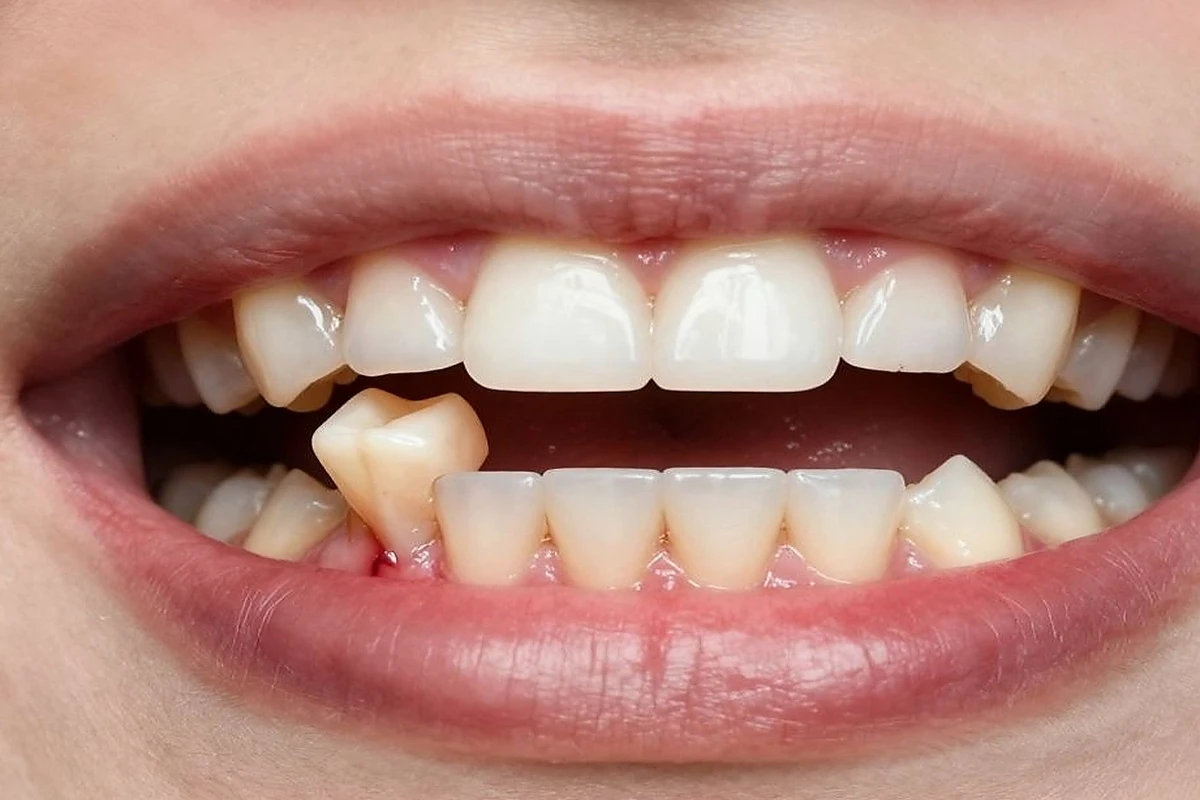
An impacted wisdom tooth is one that cannot fully emerge into its expected position. It may remain beneath the gum, be partly visible, or grow at an angle.
Common types include:
- Mesial impaction: The tooth angles towards the front of the mouth.
- Vertical impaction: The tooth is positioned relatively upright but may not have enough room to erupt.
- Horizontal impaction: The tooth lies sideways and may press towards the neighbouring molar.
- Distal impaction: The tooth angles towards the back of the mouth.
The type of impaction can affect the risk of complications and the complexity of extraction. However, the position alone does not always mean the tooth must be removed. The dentist considers symptoms, clinical findings, imaging, and the potential risks of both removal and monitoring.
Does Every Wisdom Tooth Need to Be Removed?
No. Healthy, fully erupted, functional wisdom teeth that are easy to clean may not require removal.
A dentist may recommend monitoring when a wisdom tooth has no associated disease or symptoms and can be kept clean. Periodic dental examinations can help identify changes over time.
Extraction may be considered when there is evidence of problems such as:
- Repeated inflammation or infection around the tooth.
- Untreatable decay.
- Gum disease affecting the wisdom tooth or adjacent molar.
- Damage to a neighbouring tooth.
- Certain cysts or other pathology associated with the tooth.
- Other clinical reasons identified during examination.
Removing a healthy, symptom-free wisdom tooth is not automatically necessary. The decision should weigh the benefits of treatment against the risks of surgery and continued monitoring.
What Happens During Wisdom Tooth Removal in Dubai?
If extraction is recommended, your dentist or oral surgeon will explain the procedure and the available options.
1. Examination and Dental Imaging
The dentist reviews your symptoms, medical history, medications, and oral health. X-rays are usually used to assess the tooth’s position and roots and their relationship with nearby structures.
For selected complex cases, additional imaging may be considered if it is likely to change treatment planning.
2. Local Anaesthesia or Other Sedation Options
Many wisdom tooth extractions are performed under local anaesthesia, which numbs the treatment area. Depending on the complexity of the procedure, patient needs, and clinical setting, other options may be discussed.
Your dentist will explain the available choices, risks, and any preparation required.
3. Simple or Surgical Extraction
A fully erupted wisdom tooth may be removed using a relatively straightforward extraction technique.
An impacted tooth may require a surgical procedure involving an incision in the gum. In some cases, a small amount of bone may need to be removed, or the tooth may be divided into sections to facilitate removal.
The procedure depends on the tooth’s position and complexity. Your dentist or oral surgeon will explain what is expected in your case.
Recovery After Wisdom Tooth Extraction
Recovery varies according to the complexity of the extraction and the individual’s health. Some discomfort, swelling, bruising, and limited mouth opening may occur after surgery.
Your dentist will provide instructions based on your procedure. General recovery advice may include:
- Resting and avoiding strenuous activity initially.
- Eating soft foods and gradually returning to your usual diet as comfort allows.
- Following instructions about cleaning the mouth and when to resume brushing around the extraction site.
- Avoiding smoking and vaping during healing.
- Taking prescribed or recommended medication exactly as directed.
- Attending follow-up appointments when advised.
A blood clot forms in the extraction socket as part of normal healing. Dislodging it can contribute to a painful condition called dry socket, so follow your dentist’s instructions about rinsing, spitting, and using straws.
Contact your dentist if pain or swelling worsens rather than improves, bleeding does not settle, or you develop fever, pus, or other signs of infection. Difficulty breathing or swallowing requires emergency medical care.
What Are the Risks of Wisdom Tooth Extraction?
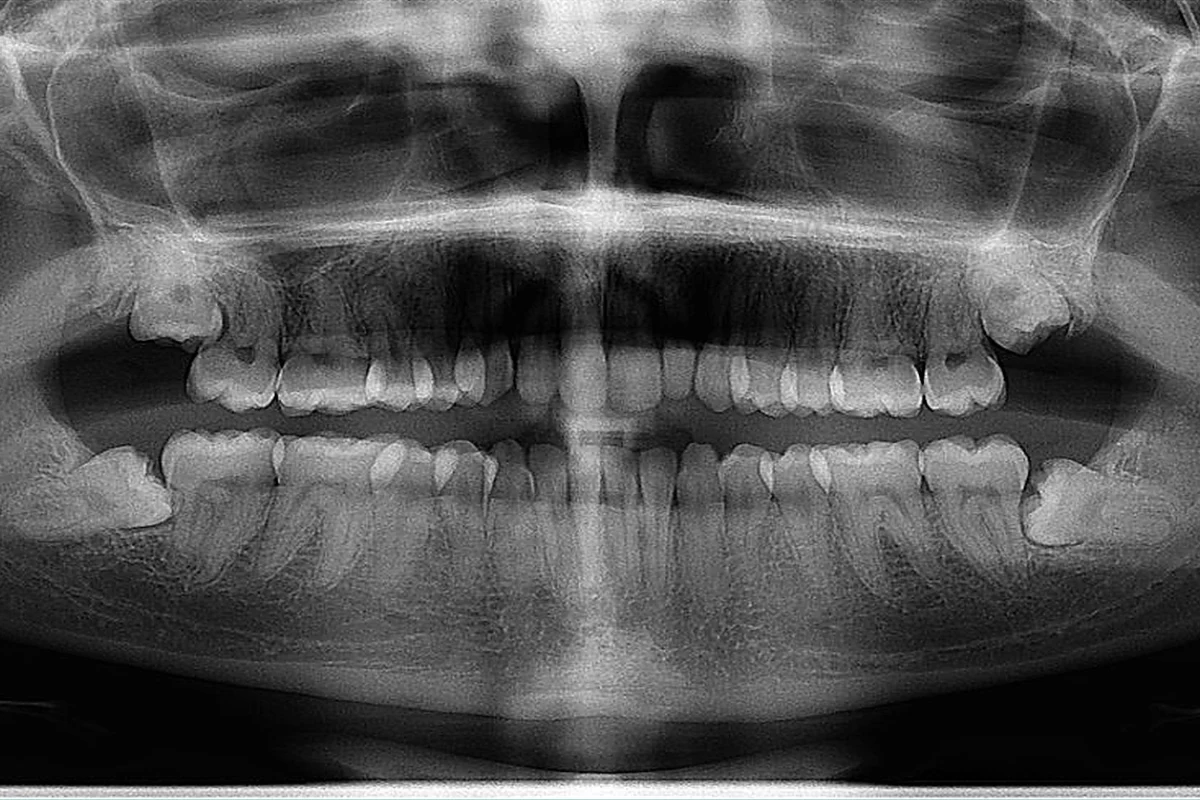
Wisdom tooth extraction is a common dental procedure, but it is still surgery and carries potential risks.
These may include bleeding, infection, dry socket, delayed healing, and injury to nearby structures. Lower wisdom teeth can be close to nerves that provide sensation to the lip, chin, or tongue. Depending on the tooth’s position, temporary or, rarely, persistent altered sensation may occur.
Your dentist or oral surgeon should explain the risks relevant to your imaging and medical history, as well as the potential risks of leaving the tooth in place.
Conclusion
Wisdom teeth do not always need to be removed, but persistent pain, repeated infections, swelling, decay, or damage to nearby teeth should not be ignored. An examination and appropriate dental imaging can help determine whether extraction or monitoring is the safer option.
If you are experiencing wisdom tooth pain in Dubai, consult a qualified dentist or oral surgeon to understand the cause of your symptoms and discuss suitable treatment options.
Frequently Asked Questions
1. How do I know if my wisdom tooth needs to be removed?
Persistent pain, repeated gum infections, swelling, decay, or damage to a nearby tooth may indicate that treatment is needed. A dentist will examine the area and review dental imaging before recommending extraction or monitoring.
2. Can an impacted wisdom tooth cause problems without pain?
Yes. Some impacted wisdom teeth cause no noticeable symptoms but may be associated with decay, gum disease, or other problems. Regular dental examinations can help identify these issues. Not every symptom-free impacted tooth needs removal.
3. Is wisdom tooth removal painful?
Local anaesthesia is used to numb the area during most extractions. You may feel pressure during the procedure, and discomfort or swelling can occur afterwards. Your dentist will explain how to manage pain and what recovery to expect.
4. How long does it take to recover after wisdom tooth extraction?
Recovery depends on the complexity of the extraction and individual healing. Many people begin to feel better within several days, although tenderness and swelling can take longer to settle. Follow your dentist’s instructions and seek advice if symptoms worsen.
5. What should I eat after wisdom tooth removal?
Soft foods that are easy to chew are often more comfortable initially. Your dentist may recommend foods such as yoghurt, mashed vegetables, or soft eggs, depending on your recovery. Avoid foods that irritate the extraction site and follow your post-operative instructions.
6. When should I seek urgent help for wisdom tooth pain?
Seek prompt dental care for worsening pain, swelling, pus, or fever. If you experience difficulty breathing or swallowing, rapidly spreading swelling, or severe swelling around the mouth or neck, seek emergency medical care immediately.
Medical disclaimer: This article is for general educational purposes only and does not replace a dental examination, diagnosis, or personalised treatment advice. The need for extraction, procedure risks, and recovery time vary between individuals.
Medical review before publication: A licensed dentist or oral surgeon should review the clinical content, verify any clinic-specific claims, and approve the final article in line with applicable UAE healthcare requirements.