
Author Archive

Invisalign Treatment: Who Should Try Clear Aligners First?

April 27th, 2026 | Blog 27th, April at 8:09 AM

A straighter smile is about more than just looks. It also affects comfort, confidence, bite balance, and long-term oral health. Many adults and teenagers want to straighten their teeth but prefer a more discreet option than traditional braces. For the right patient, Invisalign treatment offers a modern, flexible way to improve alignment without metal brackets or wires.

Whether you are considering clear aligners for yourself or your teenager, understanding if they are the right fit is the first step. This guide will help you explore who benefits most from Invisalign and what to know before starting.

What Is Invisalign?

Invisalign is a clear aligner system designed to gradually move teeth into better alignment using a series of custom-made, transparent trays. These trays are removable, smooth, and designed to fit snugly over the teeth. Unlike traditional braces, there are no brackets or wires attached to the teeth.

Each set of aligners is worn for a specific period, usually one to two weeks, before moving on to the next stage. Over time, the teeth shift in a planned and controlled way. Because the trays are removable, patients can eat normally, brush more easily, and maintain a more discreet appearance during treatment.

Why Clear Aligners Have Become So Popular

Clear aligners have become especially popular among working professionals, adults, and image-conscious teens because they offer a more lifestyle-friendly orthodontic option. Patients often choose them because:

  • They are nearly invisible when worn
  • They can be removed for meals and important occasions
  • They make brushing and flossing easier than fixed braces
  • They are generally more comfortable on the cheeks and lips
  • They allow for a more modern, flexible treatment experience

That said, not every patient is automatically the best candidate. The most important question is not whether aligners are popular. It is who should get Invisalign based on actual dental needs and commitment level.

Who Is a Good Candidate for Invisalign?

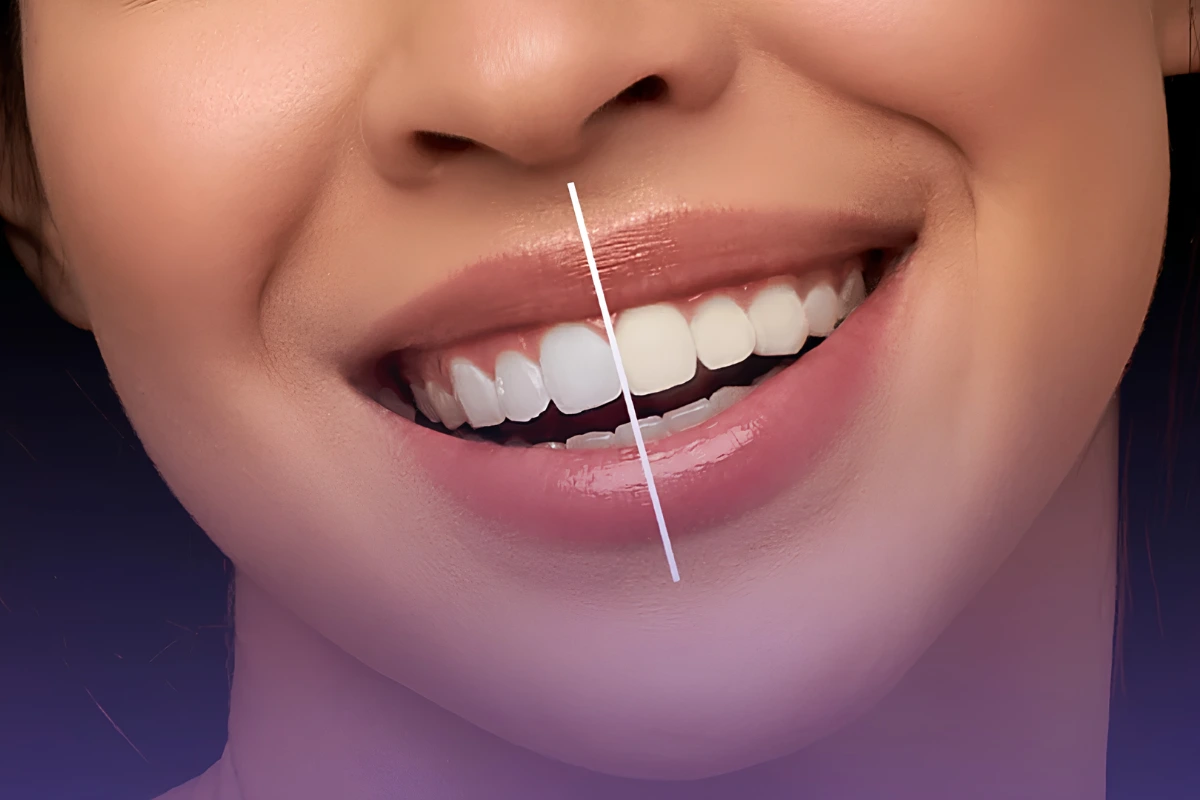
Good Candidate for Invisalign getting treatment

Invisalign works best when the case is carefully selected and properly planned. Many patients are suitable candidates, but the ideal patient usually falls into one or more of the following groups.

1. Adults Who Want a Discreet Orthodontic Option

This is one of the most common groups. Many adults delayed orthodontic treatment in childhood or had braces before, and noticed their teeth shifting again later. They often want correction without the visibility of metal braces.

Invisalign can be an excellent choice for adults who want to improve alignment while maintaining a professional appearance at work, social events, or public-facing roles.

2. Teenagers Who Can Be Responsible With Removable Trays

Teenagers can also be great candidates, but success depends on compliance. Since the aligners are removable, they must be worn consistently for the recommended number of hours per day. A teen who keeps removing trays or forgets to wear them may not get the expected results.

For responsible teenagers who are motivated and understand the process, clear aligners can be a very comfortable and confidence-friendly option.

3. Patients With Mild to Moderate Crowding or Spacing

Invisalign is often highly effective for cases involving:

  • Mild to moderate crowding
  • Gaps between teeth
  • Minor bite irregularities
  • Relapse after previous braces
  • Slight rotations or overlapping teeth

These are common concerns that many adults and teens want corrected without undergoing a more noticeable orthodontic treatment.

4. Patients With Good Oral Hygiene Habits

Because the aligners are removable, oral hygiene is often easier than with braces. However, that does not mean discipline is optional. Patients need to remove aligners before eating, clean them properly, and brush before putting them back in.

Patients who already have good dental habits tend to do especially well with Invisalign because they are more likely to follow the treatment routine consistently.

When Invisalign May Not Be the First Choice

Although Invisalign is an excellent option for many patients, there are situations where traditional braces may still be recommended.

These may include:

  • Severe crowding
  • Significant bite correction needs
  • Complex jaw relationship issues
  • Teeth that need major vertical movement
  • Patients unlikely to wear aligners consistently
  • Younger children who are not ready for removable orthodontic appliances

In these situations, your dentist or orthodontic provider may suggest braces or a hybrid approach depending on what is most predictable and efficient.

This is why treatment should never be chosen based on trend alone. It should be based on what gives the safest and most reliable result for your smile.

Clear Aligners vs Traditional Braces

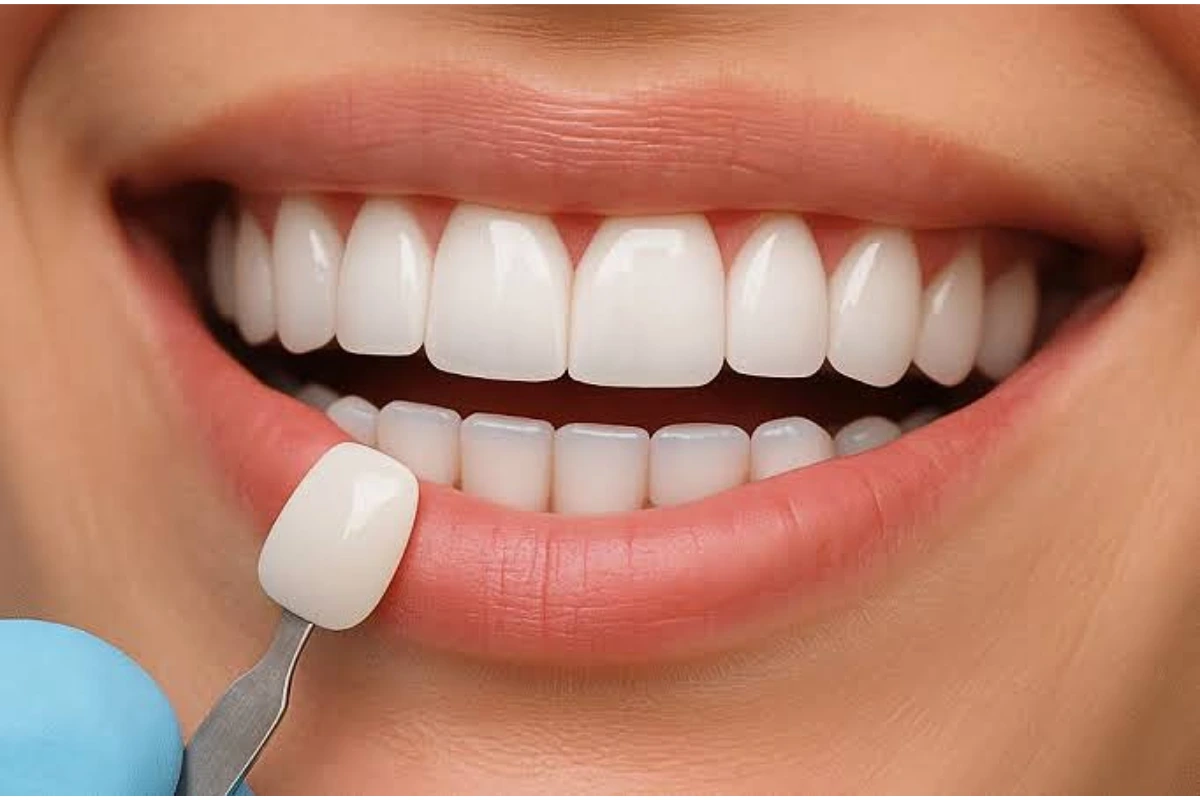
clear aligners vs braces

One of the most common questions patients ask is about clear aligners vs braces. Both can straighten teeth effectively, but the best choice depends on the complexity of the case, lifestyle preferences, and patient compliance.

Invisalign May Be Better If You Want:

  • A discreet look during treatment
  • The ability to remove aligners while eating
  • Easier brushing and flossing
  • Less irritation from wires and brackets
  • A more flexible day-to-day experience

Braces May Be Better If You Need:

  • Correction for more complex tooth movement
  • More predictable control in severe cases
  • A non-removable option that does not rely on compliance
  • Treatment for younger patients who may struggle with discipline

In short, aligners offer convenience and aesthetics, while braces may offer stronger control in certain complex orthodontic cases. A proper consultation helps determine which one fits your needs best.

What Commitment Does Invisalign Require?

One of the biggest misconceptions is that Invisalign is “easier” simply because it is removable. In reality, it requires commitment.

To work effectively, aligners usually need to be worn for around 20 to 22 hours a day. That means removing them only for:

  • Eating
  • Drinking anything other than water
  • Brushing and flossing
  • Cleaning the trays

Patients who frequently forget to wear them or leave them out for long periods may experience delayed progress or compromised results.

So while the trays are convenient, the treatment still depends heavily on consistency. In many cases, the best Invisalign candidate is not just someone with the right teeth. It is someone with the right routine.

Benefits Beyond Cosmetic Improvement

Many patients initially seek orthodontic treatment because they want straighter teeth, but alignment can also support long-term oral health.

Properly aligned teeth may help:

  • Make brushing and flossing easier
  • Reduce plaque traps between crowded teeth
  • Improve bite balance
  • Reduce uneven wear on enamel
  • Lower the risk of gum inflammation in hard-to-clean areas
  • Improve chewing comfort in some cases

This is why orthodontic treatment should not be viewed as purely cosmetic. It can be part of a preventive dental strategy, especially when crowding or bite issues are contributing to hygiene challenges.

What Happens During an Invisalign Consultation?

A proper consultation is the most important first step. The process usually begins with a clinical examination and digital assessment of your teeth and bite.

This may include:

  • Reviewing your alignment concerns
  • Checking bite relationships
  • Looking at crowding, spacing, and tooth rotations
  • Evaluating gum health and oral hygiene
  • Taking scans or records if needed
  • Discussing realistic treatment expectations

This step is important because not every smile needs the same approach. Some patients are ideal candidates for aligners. Others may benefit more from braces or a different treatment plan altogether.

Why Choose DentisTree for Clear Aligner Treatment?

If you are considering Invisalign treatment in Dubai, choosing the right clinic matters just as much as choosing the right system. We focus on personalised smile planning, not one-size-fits-all recommendations. We assess your alignment, bite, lifestyle, and treatment goals before deciding whether clear aligners are truly the right fit for you.

Our approach is designed to be patient-friendly, precise, and practical. We believe orthodontic treatment should be clear from the beginning, with realistic expectations and a plan that works for your daily life. Whether you want subtle smile correction, relapse treatment after old braces, or a more discreet orthodontic journey, our team helps guide you toward the safest and most effective option.

Final Thoughts

Invisalign can be a great option for patients who want straighter teeth without the look and feel of traditional braces.  At Dentistree Dental clinic, it is especially suitable for adults, responsible teens, and those with mild to moderate alignment concerns who can wear their aligners consistently.

Contact us on WhatsApp for quick assistance:

📍 Al Barsha Branch: +971 58 581 5201

📍 Jumeirah Branch: +971 56 608 4766

If you are considering clear aligners, the best first step is a consultation. We help you understand whether Invisalign is right for your smile and create a treatment plan that fits your goals. Book your consultation today.

Scaling and Polishing: Benefits for Long-Term Oral Hygiene

April 21st, 2026 | Blog 21st, April at 7:55 AM

A healthy smile is about more than just white teeth. It also means clean gums, fresh breath, and the prevention of dental problems before they become painful or costly. At Dentistree Dental clinic, we help patients protect their oral health with preventive care that supports long-term comfort and confidence.

Routine hygiene visits can help reduce the risk of gum disease, cavities, bad breath, and staining. This guide will help you understand why regular scaling and polishing is an important part of maintaining a healthier smile.

What Is Scaling and Polishing?

Scaling and polishing is a preventive dental hygiene procedure designed to remove plaque, tartar, and surface stains from the teeth. Over time, even patients who brush twice a day can develop hardened deposits that cannot be removed with a toothbrush alone. These deposits usually collect near the gum line, between teeth, and in areas that are difficult to reach during daily cleaning.

During teeth scaling and polishing, the dentist or dental hygienist first removes plaque and tartar using specialised instruments or ultrasonic tools. Once the hard deposits are cleared, the teeth are polished to smooth the surface and remove superficial stains. This makes it harder for plaque to stick again quickly and leaves the mouth feeling noticeably fresher and cleaner.

Why Home Brushing Alone Is Not Always Enough

Daily brushing and flossing are essential, but they have limitations. Plaque begins as a soft, sticky film made up of bacteria, food particles, and saliva. If it is not removed thoroughly, it hardens into tartar (also called calculus), which firmly attaches to the teeth and cannot be removed at home.

This tartar becomes a breeding ground for bacteria. It irritates the gums, increases inflammation, and can slowly lead to bleeding gums, bad breath, gum recession, and even early bone loss around the teeth. This is why regular hygiene appointments are not just cosmetic. They are a key part of scaling and polishing oral hygiene and long-term prevention.

The Importance of Removing Plaque and Tartar Early

One of the biggest benefits of scaling and polishing is that it addresses small issues before they become serious dental concerns. When plaque and tartar are left untreated, they can cause a chain reaction:

  • Gum irritation and redness
  • Bleeding while brushing or flossing
  • Persistent bad breath
  • Gum infection
  • Gum recession
  • Loosening of teeth over time
  • Increased risk of decay near the gum line

By removing these deposits early, your dentist helps create a healthier environment in the mouth and reduces the chances of needing more advanced treatment later.

Key Benefits of Scaling and Polishing for Long-Term Oral Health

Key Benefits of Scaling and Polishing for Long-Term Oral Health

Several important dental scaling benefits go far beyond simply making your teeth feel smooth.

1. Helps Prevent Gum Disease

Gum disease often starts quietly. Many patients do not realise they have early gingivitis until they notice bleeding gums or bad breath. Scaling removes the bacterial buildup that triggers gum inflammation and helps keep the gums healthier and more stable.

2. Reduces Bad Breath

Persistent bad breath is often caused by bacteria hiding in plaque and tartar deposits. Once these deposits are removed, the bacterial load in the mouth reduces significantly, which can improve breath freshness almost immediately.

3. Removes Surface Stains

Tea, coffee, red wine, smoking, and certain foods can leave external stains on the teeth. While scaling is not a whitening treatment, polishing can remove many superficial stains and improve the overall brightness of your smile.

4. Lowers Risk of Cavities

Plaque contains acid-producing bacteria that can weaken enamel and cause decay. By removing plaque and tartar regularly, you reduce the bacterial activity that contributes to cavities, especially around the gum line and between teeth.

5. Supports Better Gum Attachment

When tartar builds up near the gums, it can create inflammation and cause the gums to pull away from the teeth. Clean tooth surfaces allow the gums to sit more comfortably and reduce ongoing irritation.

6. Makes Daily Brushing More Effective

After polishing, tooth surfaces become smoother. This means plaque has a harder time sticking as quickly, making your home care routine more effective between dental visits.

What Happens During the Procedure?

Many patients delay hygiene appointments because they assume the process will be uncomfortable. In reality, for most people, scaling and polishing is quick, safe, and well-tolerated.

A typical appointment may include:

  • Examination of teeth and gums
  • Removal of plaque and tartar deposits
  • Cleaning around the gum line
  • Polishing of tooth surfaces
  • Advice on brushing and flossing technique
  • Recommendations for future maintenance visits

If there is heavy tartar buildup or signs of gum disease, your dentist in Dubai may suggest a deeper cleaning or more frequent hygiene visits. For routine maintenance, the process is usually straightforward and leaves the mouth feeling noticeably cleaner right away.

How Often Should You Get Scaling and Polishing?

For most patients, a hygiene appointment every 6 months is a good baseline. However, the ideal frequency depends on your oral health, brushing habits, diet, smoking status, and whether you have gum disease or orthodontic appliances.

You may need more frequent visits if you:

  • Have bleeding gums
  • Develop tartar quickly
  • Wear braces or aligners
  • Smoke
  • Have diabetes
  • Have a history of gum disease
  • Experience bad breath despite brushing regularly

Your dentist will guide you based on your individual risk level. Preventive care works best when it is personalised.

Is Scaling and Polishing Only for Cosmetic Improvement?

This is one of the most common misunderstandings. Many people think it is done only to make teeth look cleaner. While it certainly improves appearance, its real value is preventive.

Think of it like servicing your car before a breakdown. Scaling and polishing help remove the hidden buildup that can quietly damage your gums and teeth over time. It is not just about aesthetics; it is about maintaining the health of the supporting structures around your teeth.

In fact, one of the reasons professional teeth cleaning is recommended routinely is because it allows the dentist to identify early signs of gum problems, enamel wear, or plaque-retentive areas before symptoms become obvious.

Is It Safe for Sensitive Teeth or Existing Dental Work?

Yes, in most cases, scaling and polishing is safe even if you have fillings, crowns, veneers, or mild sensitivity. If you have gum inflammation or heavy tartar buildup, you may feel slight discomfort in some areas, but this is usually temporary.

If you have sensitive teeth, your dentist can use a gentle approach and recommend desensitising products afterwards if needed. Patients with veneers or restorations may especially benefit from regular maintenance because plaque and stains can collect around the edges of dental work over time.

Why Preventive Cleaning Saves You Money in the Long Run

Women taking preventive dentistry from best dentist in Dubai

Many patients postpone hygiene appointments because they do not feel pain. But preventive dentistry is always more affordable than restorative dentistry.

A simple cleaning today can help reduce the risk of needing:

  • Gum disease treatment
  • Fillings due to plaque-related decay
  • Deep cleaning for advanced tartar buildup
  • Treatment for bleeding or receding gums
  • More extensive restorative work is caused by neglected oral hygiene

When you maintain regular hygiene visits, you are investing in the long-term health of your teeth, gums, and overall smile.

Why Choose Dentistree for Preventive Dental Care?

If you are looking for trusted dental scaling and polishing in Dubai, choosing the right clinic matters. We focus on preventive care that is gentle, personalised, and designed to keep your smile healthy for the long term. We do not just remove buildup; we assess your gum health, identify areas of concern, and guide you on maintaining results at home.

Our team believes that a good hygiene visit should do more than clean your teeth. It should give you clarity, confidence, and a practical plan to protect your oral health between appointments. Whether you are due for routine maintenance or have noticed bleeding gums, tartar buildup, or staining, we are here to help you stay ahead of bigger dental issues.

Final Thoughts

Scaling and polishing are a simple but important part of preventive dental care. It helps remove plaque and tartar, reduces the risk of gum disease and decay, and supports a cleaner, healthier smile over time.

Contact us on WhatsApp for quick assistance:

📍 Al Barsha Branch: +971 58 581 5201

📍 Jumeirah Branch: +971 56 608 4766

If it has been a while since your last hygiene visit, do not wait for symptoms to appear. We are here to help you maintain long-term oral health with gentle, preventive care. Book your appointment today.

How to Manage Tooth Sensitivity: Causes and Treatments

April 17th, 2026 | Blog 17th, April at 7:38 AM

A sudden sharp pain while drinking something hot or cold can make even simple moments uncomfortable. We often see patients ignore this discomfort until it starts affecting their daily routine. Understanding tooth sensitivity causes is the first step toward finding relief and protecting your long-term oral health.

At DentisTree Dental clinic, we believe dental care should be preventive, comfortable, and personalised. Whether your sensitivity is occasional or persistent, identifying the real cause can make all the difference. This guide will help you understand why tooth sensitivity happens and what you can do about it.

What Is Tooth Sensitivity?

Tooth sensitivity, also known as dentin hypersensitivity, happens when the protective outer layer of the tooth (enamel) becomes worn down or when gums recede, exposing the inner layer called dentin. Dentin contains tiny tubules that connect to the nerves inside the tooth. When hot, cold, sweet, acidic, or even cold air reaches these tubules, it can trigger a sudden, sharp pain.

This sensitivity may affect one tooth, several teeth, or sometimes the entire mouth. For some patients, it comes and goes. For others, it becomes a regular problem that interferes with eating, drinking, and oral hygiene. The good news is that it is treatable and in many cases, preventable.

Common Causes of Tooth Sensitivity

Common Causes of Tooth Sensitivity lead to exposed dentin or irritated nerves

To manage sensitivity properly, it’s important to understand what may be triggering it. Several dental issues can lead to exposed dentin or irritated nerves.

1. Enamel Erosion

Enamel is the hard outer layer that protects your teeth. Over time, acidic foods, soft drinks, citrus fruits, or acid reflux can weaken and wear away enamel. Once that protective layer thins out, the underlying dentin becomes more vulnerable.

2. Aggressive Brushing

Many patients think brushing harder means brushing better—but that’s not true. Using a hard-bristled toothbrush or brushing too aggressively can wear down enamel and damage the gum line. This is one of the most overlooked causes of sensitivity.

3. Gum Recession

When gums pull away from the teeth, the roots become exposed. Tooth roots do not have the same enamel protection as the crown of the tooth, making them far more sensitive to temperature changes and touch. Gum recession may happen due to gum disease, aging, or improper brushing technique.

4. Tooth Decay or Cavities

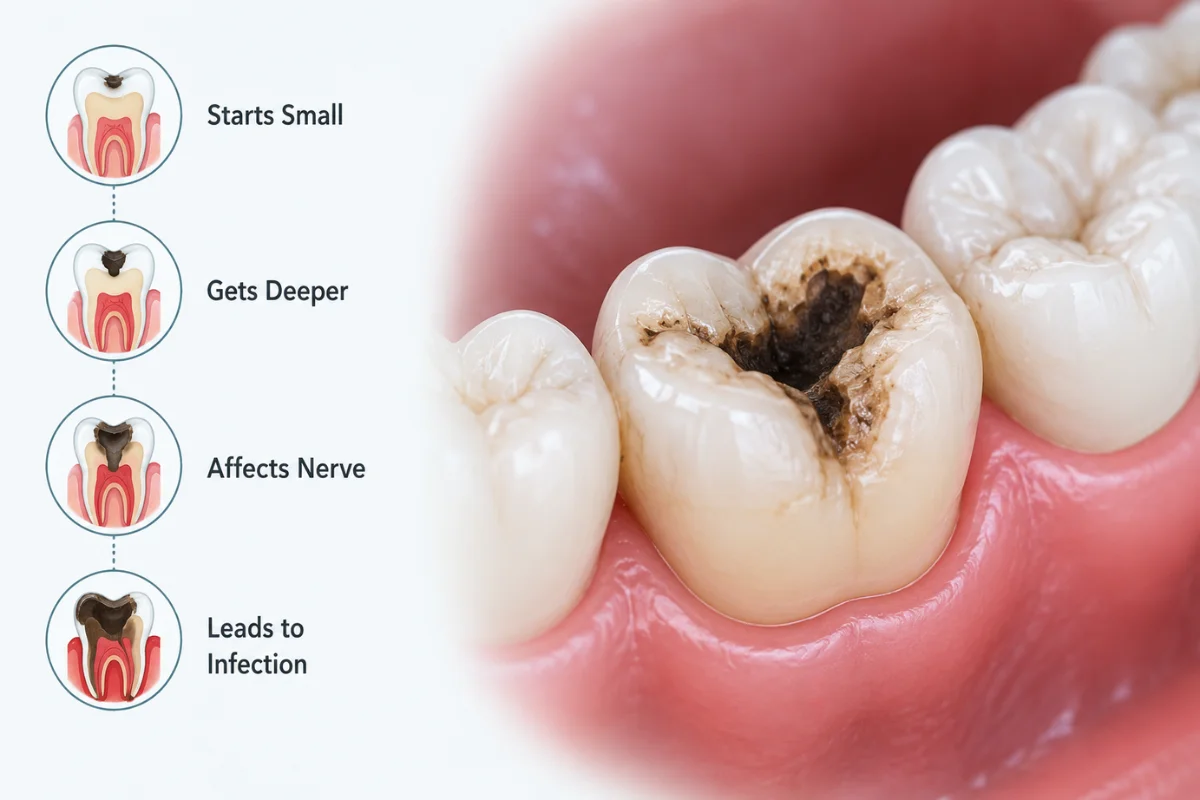
A cavity can create direct pathways for food, drinks, and bacteria to irritate the inner tooth. Sometimes what feels like “sensitivity” is actually an early sign of decay. That’s why any persistent pain should be professionally evaluated.

5. Teeth Grinding (Bruxism)

Grinding or clenching teeth, especially during sleep, can slowly wear down enamel and create tiny cracks in the teeth. This not only increases sensitivity but can also lead to jaw pain, headaches, and long-term damage if untreated.

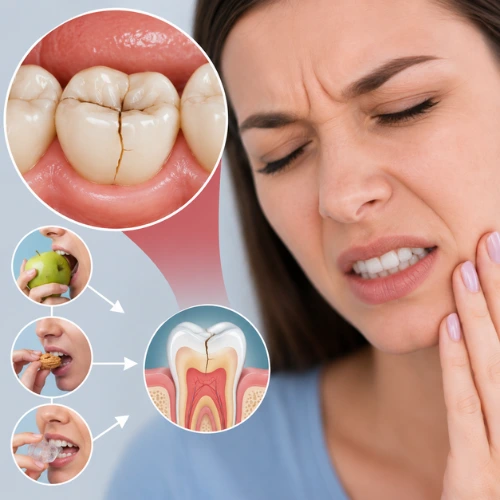
6. Cracked or Chipped Teeth

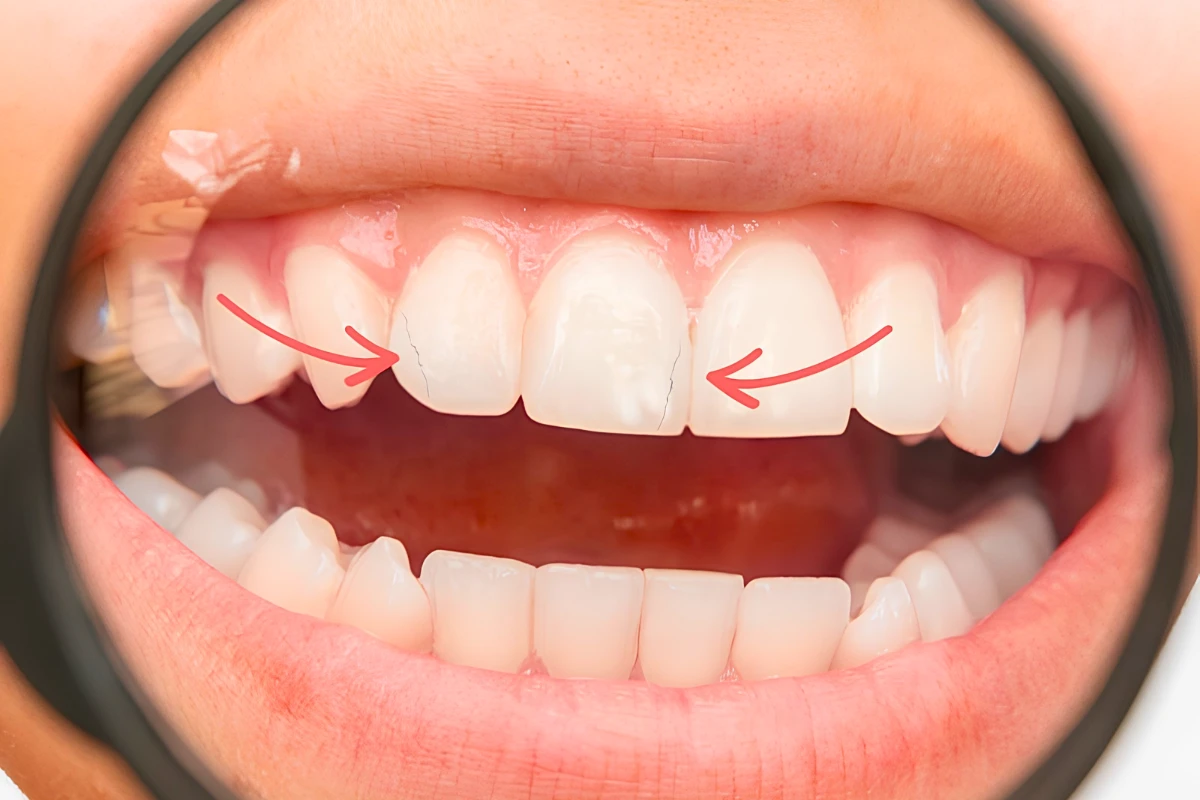
Even a small crack can expose dentin or allow temperature changes to affect the nerve inside the tooth. Cracks may not always be visible, which is why dental examination is important when sensitivity appears suddenly in one specific tooth.

7. Recent Dental Procedures

Some patients experience temporary sensitivity after teeth whitening, deep cleaning, fillings, or crowns. This is usually short-term and resolves within a few days, but if it continues, your dentist should reassess the tooth.

Signs You Should Not Ignore

Tooth sensitivity is common, but it should not be dismissed, especially if it becomes frequent or intense. Here are signs that indicate it’s time to visit a dentist:

  • Pain when eating hot, cold, sweet, or sour foods
  • Discomfort while brushing or flossing
  • Sensitivity focused on one tooth
  • Pain that lingers after the trigger is gone
  • Sensitivity that worsens over time
  • Associated gum swelling or visible wear near the gum line

If sensitivity is interfering with daily activities, it’s more than a minor issue; it’s a sign that something needs attention.

How to Manage Tooth Sensitivity at Home

Many patients ask how to manage sensitive teeth before they come in for treatment. While home care can help reduce discomfort, it works best when paired with a proper diagnosis from your dentist.

Use a Desensitizing Toothpaste

Special toothpaste for sensitive teeth helps block the tiny tubules in dentin, reducing the sensation reaching the nerve. It may take a few days or weeks of regular use to notice improvement, so consistency matters.

Switch to a Soft-Bristled Toothbrush

A soft brush is gentler on enamel and gums. Brushing in small circular motions rather than scrubbing side to side can also help prevent further damage.

Avoid Acidic and Trigger Foods

Try reducing highly acidic foods and drinks such as sodas, lemons, pickles, and sports drinks. If you do consume them, rinse your mouth with water afterward instead of brushing immediately, as enamel is softer after acid exposure.

Don’t Overdo Whitening Products

Over-the-counter whitening strips or abrasive whitening toothpaste can worsen sensitivity in some people. If whitening is important to you, it’s safer to discuss professional options with your dentist.

Wear a Night Guard if You Grind

If you clench or grind your teeth, a custom night guard can protect your enamel and reduce stress on your teeth while you sleep.

These sensitive teeth remedies can help control symptoms, but they won’t fix underlying issues like cavities, cracks, or gum disease. That’s why a dental evaluation is essential if symptoms persist.

Professional Treatments for Tooth Sensitivity

The best tooth sensitivity treatment depends on what is causing the problem

When home care isn’t enough, professional dental treatment can provide targeted and long-lasting relief. The best tooth sensitivity treatment depends on what is causing the problem.

Fluoride Application

Your dentist may apply professional fluoride varnish or gel to strengthen enamel and reduce sensitivity. This is a simple and effective option for mild to moderate cases.

Dental Bonding

If exposed root surfaces or worn areas near the gum line are causing pain, bonding material can be placed over the area to protect it and reduce discomfort.

Gum Treatment

If gum recession is due to gum disease, deep cleaning and periodontal care may be needed. In severe cases, gum grafting may be recommended to cover exposed roots.

Fillings or Restorations

If decay, cracks, or worn fillings are the cause, restoring the tooth can eliminate sensitivity and protect the tooth from further damage.

Bite Adjustment or Night Guard

For patients who grind or clench, correcting bite pressure or using a custom night guard can reduce enamel wear and prevent ongoing irritation.

Root Canal Treatment (In Severe Cases)

If the nerve inside the tooth is inflamed or infected, sensitivity may progress into deeper pain. In these cases, root canal treatment may be necessary to save the tooth and eliminate discomfort.

Why Early Diagnosis Matters

One of the biggest mistakes patients make is assuming sensitivity is “normal.” While occasional mild discomfort can happen, persistent sensitivity is often a warning sign. What starts as enamel wear can progress to cracks, decay, or nerve involvement if ignored.

Early diagnosis allows your dentist to treat the cause before it becomes more complex or expensive. It also helps preserve the natural tooth structure and keeps treatment simpler and more comfortable.

Why Choose Dentistree for Sensitive Teeth Care?

If you are searching for reliable tooth sensitivity treatment in Dubai, it’s important to choose a clinic that looks beyond the symptoms. We take a complete approach, evaluating your enamel, gums, bite, brushing habits, and overall oral health to identify the real reason behind your discomfort.

Our focus is on gentle, patient-centered care with modern diagnostic tools and personalized treatment plans. Whether your sensitivity is caused by enamel erosion, gum recession, decay, or grinding, our team is here to help you eat, drink, and smile with confidence again.

Final Thoughts

Tooth sensitivity may seem minor at first, but it is often a sign that your teeth or gums need attention. Addressing it early can help prevent further discomfort and protect your long-term oral health.

Contact us on WhatsApp for quick assistance:

📍 Al Barsha Branch: +971 58 581 5201

📍 Jumeirah Branch: +971 56 608 4766

If you are experiencing recurring sensitivity, do not ignore it. At Dentistree Dental Clinic, we help identify the cause and guide you toward the right treatment. Book your consultation today.

How 3D Guided Implant Surgery Improves Patient Outcomes

March 26th, 2026 | Blog 26th, March at 11:55 AM

Dental implant treatment has evolved significantly over the years. What was once a largely manual, experience-based procedure has now become a carefully planned, digitally guided process. One of the most important advancements in modern implant dentistry is 3D guided dental implant surgery.

For patients considering implants today, understanding how this technology works can make a meaningful difference in confidence, comfort, and long-term success. 3D guided implant surgery is not simply a newer technique. It represents a shift toward safer, more predictable, and more patient-focused dental care.

At DentisTree Dental Clinic, advanced dental implant surgery is planned using precision-driven technology that prioritises accuracy, safety, and long-term outcomes. The goal is not just to replace missing teeth, but to restore function, aesthetics, and quality of life with minimal disruption.

What Are Dental Implants and Why Precision Matters

A dental implant is designed to replace the root of a missing tooth and support a crown that looks and functions like a natural tooth. For an implant to succeed, it must be placed at the correct depth, angle, and position within the jawbone.

Even minor deviations during implant placement can affect:

  • Bite alignment

  • Bone stability around the implant

  • Long-term implant survival

  • Comfort during chewing

  • Aesthetic outcome

Precision dental implants are essential because the jawbone, nerves, sinuses, and surrounding teeth all exist within a limited space. This is where 3D guided implant technology makes a critical difference.

What Is 3D Guided Dental Implant Surgery

3D guided dental implant surgery uses advanced digital imaging and computer-guided planning to place implants with exceptional accuracy. Instead of relying solely on visual judgment during surgery, dentists plan the entire procedure digitally before treatment begins.

The process involves:

  • 3D imaging of the jaw using CBCT scans

  • Digital planning software to determine ideal implant position

  • Creation of a custom surgical guide

  • Precise placement of the implant according to the digital plan

This guided approach transforms implant surgery from a manual procedure into a highly controlled, data-driven process.

How 3D Implant Technology Works Step by Step

Experience the future of dentistry. Find out how advanced 3D guided implant surgery improves patient outcomes in Dubai for a flawless, natural smile.

Understanding the steps helps patients appreciate why outcomes are more predictable with guided implant surgery.

Step 1: Advanced 3D Imaging

The process begins with a 3D scan of the jaw. Unlike traditional X-rays, this scan provides a complete three-dimensional view of:

  • Bone density and volume

  • Nerve pathways

  • Sinus position

  • Adjacent teeth and roots

This level of detail allows for accurate assessment before any surgical step is taken.

Step 2: Digital Implant Planning

Using specialised software, the dentist virtually plans the implant placement. The exact position, angle, and depth are determined based on:

  • Bone quality

  • Bite forces

  • Final crown position

  • Aesthetic considerations

This ensures the implant is positioned to support both function and appearance.

Step 3: Custom Surgical Guide Creation

A custom surgical guide is created based on the digital plan. This guide fits precisely over the patient’s teeth or gums and directs the implant placement during surgery.

The guide acts as a roadmap, ensuring the implant is placed exactly as planned.

Step 4: Guided Implant Placement

During surgery, the guide helps place the implant with high accuracy. This reduces guesswork and limits deviation from the planned position.

The result is a precise, efficient, and controlled procedure.

Guided Implant Surgery Benefits for Patients

The benefits of guided implant surgery extend well beyond technology. They directly impact patient experience and long-term success.

Improved Accuracy and Safety

3D guided dental implants significantly reduce the risk of:

  • Nerve injury

  • Sinus perforation

  • Damage to adjacent teeth

  • Improper angulation

This makes the procedure safer, especially in complex cases or areas with limited bone.

Better Long-Term Implant Success

Accurate placement supports better bone integration and load distribution. This improves:

  • Implant stability

  • Longevity of the implant

  • Health of surrounding bone and gums

Precision placement reduces the risk of implant failure caused by poor positioning.

Minimally Invasive Surgery

Because implant placement is planned in advance, surgery can often be less invasive. Smaller incisions and reduced tissue disruption may be possible.

This can lead to:

  • Less post-operative discomfort

  • Reduced swelling

  • Faster healing

  • Shorter recovery time

Patients often report a smoother overall experience.

Predictable Aesthetic Outcomes

Implant position affects how the final crown looks and feels. Guided implant surgery ensures the implant is placed to support natural-looking teeth and harmonious gum contours.

This is especially important for implants placed in visible areas.

Precision Dental Implants and Bite Function

Proper implant positioning is essential for bite balance. Implants that are placed too far forward, backward, or at the wrong angle can disrupt chewing forces.

Guided implant surgery allows implants to be placed in ideal alignment with:

  • Natural bite forces

  • Opposing teeth

  • Jaw movement patterns

This reduces strain on the implant and surrounding teeth, supporting long-term comfort.

Advanced Dental Implant Surgery for Complex Cases

See how 3D guided implant surgery improves patient outcomes in Dubai. Read our blog on the benefits of digital dentistry for faster, safer recovery.

Some implant cases are more complex than others. Patients with bone loss, missing multiple teeth, or proximity to nerves and sinuses benefit greatly from guided implant technology.

3D planning allows dentists to:

  • Identify areas of adequate bone

  • Avoid critical structures

  • Plan bone grafting if required

  • Consider immediate implant placement when suitable

This makes advanced dental implant surgery safer and more predictable, even in challenging cases.

3D Implant Technology in Dubai: Why It Matters

Patients in Dubai often seek high-quality, advanced dental care with predictable outcomes. 3D implant technology in Dubai reflects this demand for precision and excellence.

Busy lifestyles also make efficiency important. Guided implant surgery can:

  • Reduce overall treatment time

  • Minimise unexpected complications

  • Improve scheduling predictability

This aligns well with the expectations of patients seeking modern dental solutions.

Traditional Implant Surgery vs 3D Guided Implant Surgery

Understanding the difference helps patients make informed decisions.

Traditional implant surgery relies more on clinical experience and visual assessment during the procedure. While skilled dentists can achieve good results, the margin for error is higher.

3D guided implant surgery offers:

  • Digital planning before surgery

  • Higher placement accuracy

  • Reduced intraoperative surprises

  • Enhanced patient confidence

The shift toward guided surgery represents a move toward evidence-based, precision dentistry.

Patient Comfort and Confidence with Guided Implants

Knowing that implant placement is digitally planned often reassures patients. Anxiety is reduced when patients understand that:

  • The procedure is carefully mapped out

  • Risks are assessed in advance

  • Precision is prioritised

This psychological comfort is an important part of patient experience and satisfaction.

Healing and Recovery After Guided Implant Surgery

Because guided implant surgery is often less invasive, recovery can be smoother.

Patients may experience:

  • Less swelling and discomfort

  • Reduced need for pain medication

  • Faster return to normal activities

Of course, healing varies by individual, but precision planning supports optimal recovery conditions.

Long-Term Maintenance of Dental Implants

Need dental implants in Dubai? Learn how 3D guided implant surgery improves patient outcomes, offering greater accuracy, safety, and a faster smile!

Even with advanced placement, long-term success depends on proper care. Regular dental checkups, good oral hygiene, and healthy habits are essential.

Guided implant placement supports easier maintenance by:

  • Allowing better access for cleaning

  • Supporting healthy gum contours

  • Reducing areas of plaque accumulation

This contributes to long-term implant health.

Implant-Supported Restorations and Digital Planning

3D guided implant surgery integrates seamlessly with modern restorative dentistry. The implant is placed based on the final crown position, not just bone availability.

This prosthetically driven approach ensures:

  • Better aesthetics

  • Improved function

  • Seamless integration with existing teeth

The final result feels more natural and balanced.

Who Is a Good Candidate for 3D Guided Dental Implants

Most patients who are candidates for implants can benefit from guided surgery. It is particularly useful for:

  • Patients missing front teeth

  • Cases with limited bone

  • Multiple implant placements

  • Patients seeking minimally invasive options

A professional evaluation determines suitability and planning approach.

Expertise and Technology at DentisTree Dental Clinic

At DentisTree Dental Clinic Dubai, dental implant treatment combines advanced technology with careful clinical judgment. Each implant case begins with thorough digital planning to ensure accuracy and safety.

The clinic focuses on:

  • Precision-driven implant placement

  • Patient education and transparency

  • Long-term stability and function

  • Comfortable treatment experiences

Every step is designed to support predictable outcomes and patient confidence.

When to Consider Guided Implant Surgery

If you are missing one or more teeth and considering dental implants, guided implant surgery offers a modern, reliable solution. It is especially valuable if you want precision, safety, and predictable results.

A consultation helps assess bone health, treatment options, and suitability for guided surgery.

Precision Makes the Difference in Implant Dentistry

3D guided dental implant surgery has redefined how implants are placed. By combining digital planning, advanced imaging, and guided execution, this approach improves safety, comfort, and long-term success.

Precision is no longer an added benefit. It is the standard for modern implant care.

Let’s Plan Your Implant Treatment with Confidence

If you are exploring dental implants and want to understand how advanced dental implant surgery can benefit you, DentisTree Dental Clinic Dubai is here to help.

Contact us on WhatsApp for quick assistance:

📍 Al Barsha Branch: +971 58 581 5201

📍 Jumeirah Branch: +971 56 608 4766

A successful implant starts with precise planning. Modern technology makes better outcomes possible, one carefully placed implant at a time.

Latest Advances in Cosmetic Dentistry for a Brighter Smile

March 17th, 2026 | Blog 17th, March at 8:39 AM

Cosmetic dentistry has changed dramatically in recent years. What was once limited to basic whitening or veneers has evolved into a highly advanced field that blends technology, precision, and aesthetics. Today, patients are not just looking for whiter teeth. They want natural-looking smiles that suit their face, personality, and lifestyle.

The advances in cosmetic dentistry in 2026 focus on one key idea: achieving beautiful results while preserving natural tooth structure and supporting long-term oral health. Modern cosmetic dental treatments are more conservative, more predictable, and far more personalised than ever before.

At DentisTree Dental Clinic, cosmetic dentistry is approached as both a science and an art. Every smile makeover is carefully planned to enhance appearance while maintaining comfort, function, and durability.

How Cosmetic Dentistry Has Evolved

Earlier cosmetic dental procedures often prioritised appearance alone. While results could look dramatic, they sometimes came at the cost of excessive tooth preparation or long-term sensitivity.

Today’s modern smile makeover options focus on:

  • Minimal intervention 
  • Digital planning and accuracy 
  • Natural colour and shape 
  • Long-term stability 
  • Patient comfort and confidence 

Technology now allows dentists to design smiles virtually before any treatment begins, ensuring predictable outcomes and realistic expectations.

Advances in Cosmetic Dentistry 2026: What’s New

The advances in cosmetic dentistry in 2026 centre around precision, personalisation, and patient experience. Treatments are faster, more comfortable, and more refined.

Digital Smile Design (DSD)

Digital Smile Design has transformed how cosmetic treatments are planned. Using advanced imaging and software, dentists can analyse facial features, lip movement, tooth proportions, and symmetry.

With DSD:

  • Patients can preview their future smile 
  • Smile design is customised to facial structure 
  • Treatment outcomes are more predictable 
  • Communication between dentist and patient improves 

This technology ensures that cosmetic dentistry is not guesswork, but a carefully planned process.

Latest Cosmetic Dental Treatments for a Brighter Smile

Discover the future of your smile. Explore Dubai's latest cosmetic dentistry advances, from AI smile design to 3D printing, for a brighter, natural look.

Modern cosmetic dentistry offers a wide range of treatments that can be combined or used individually depending on patient needs.

Advanced Teeth Whitening Techniques

Teeth whitening remains one of the most popular brighter smile procedures, but methods have become far more refined.

Latest whitening treatments:

  • Deliver faster results 
  • Reduce sensitivity 
  • Provide longer-lasting brightness 
  • Are safer for enamel 

In-clinic whitening systems now use controlled activation methods that enhance results while protecting tooth structure.

Ultra-Thin Veneers

Veneers have evolved significantly. Today’s veneers are thinner, stronger, and more natural-looking.

Modern veneers:

  • Require minimal or no tooth reduction 
  • Mimic natural enamel translucency 
  • Are customised for shape and shade 
  • Provide long-lasting aesthetic results 

These ultra-thin veneers allow smile enhancement without aggressive preparation, making them a popular modern smile makeover option.

Composite Bonding with Enhanced Materials

Composite bonding has advanced with the introduction of improved materials that offer better durability, colour stability, and polish.

Latest composite bonding techniques:

  • Blend seamlessly with natural teeth 
  • Can be completed in a single visit 
  • Preserve natural tooth structure 
  • Are ideal for small corrections 

Bonding is commonly used to close gaps, reshape teeth, or repair chips with minimal intervention.

Laser Technology in Cosmetic Dentistry

Laser dentistry is playing a growing role in cosmetic treatments. Lasers allow precise shaping of gums, removal of excess tissue, and improved healing.

Benefits of laser-assisted cosmetic dentistry include:

  • Reduced discomfort 
  • Minimal bleeding 
  • Faster healing 
  • Enhanced aesthetic precision 

Laser gum contouring is often used to correct gummy smiles or improve symmetry before veneers or whitening.

Cosmetic Dentistry Trends in Dubai

Protect your natural teeth while achieving a brighter smile. Discover Dubai's top minimally invasive cosmetic dentistry trends, like no-prep veneers.

Cosmetic dentistry trends in Dubai reflect a demand for high-quality, natural-looking results. Patients often seek enhancements that look effortless rather than obvious.

Popular trends include:

  • Natural white shades rather than overly bright teeth 
  • Subtle alignment improvements with clear aligners 
  • Minimal-prep veneers 
  • Combination smile makeovers rather than single treatments 

Patients in Dubai often prefer comprehensive plans that address colour, alignment, shape, and gum aesthetics together.

Clear Aligners as Part of Smile Makeovers

Orthodontics is now closely integrated with cosmetic dentistry. Clear aligners are frequently used before cosmetic treatments to correct alignment conservatively.

Aligners help by:

  • Improving tooth positioning before veneers or bonding 
  • Reducing the need for aggressive cosmetic correction 
  • Enhancing long-term stability 

This combination approach reflects the shift toward healthier, more sustainable smile makeovers.

Gum Aesthetics: An Essential Part of a Brighter Smile

Teeth are only one part of the smile. Gum health and shape play a major role in overall appearance.

Modern cosmetic dentistry focuses on:

  • Balanced gum lines 
  • Symmetry between teeth and gums 
  • Healthy pink tissue rather than inflamed gums 

Advanced diagnostics and laser treatments allow precise gum reshaping, improving the overall harmony of the smile.

Smile Makeovers Are Now Fully Personalised

One of the biggest changes in cosmetic dentistry is personalisation. There is no longer a standard “perfect smile.”

Modern smile makeover options consider:

  • Face shape and proportions 
  • Skin tone 
  • Lip movement during speech and smiling 
  • Age and lifestyle 
  • Personal preferences 

This ensures that the final result looks natural and suits the individual, rather than following a generic template.

Minimally Invasive Dentistry: A Major Shift

A key principle in modern cosmetic dentistry is preserving as much natural tooth structure as possible.

See your brighter smile before treatment even begins! Learn how Digital Smile Design is revolutionizing personalized cosmetic dentistry in Dubai today.

Minimally invasive techniques:

  • Reduce sensitivity 
  • Protect long-term tooth health 
  • Offer reversible options where possible 
  • Improve patient comfort 

This shift reflects a broader movement toward preventive and conservative dentistry.

Faster Results with Improved Patient Comfort

Advances in materials and technology have also reduced treatment time.

Patients now benefit from:

  • Fewer appointments 
  • Faster healing 
  • Reduced discomfort 
  • More efficient procedures 

What once took months can often be completed in weeks, depending on the treatment plan.

Psychological Benefits of a Brighter Smile

A brighter, well-balanced smile has benefits beyond appearance. Many patients report:

  • Improved self-confidence 
  • Better social interactions 
  • Increased comfort when speaking or smiling 
  • Greater satisfaction with their appearance 

Cosmetic dentistry is increasingly recognised as contributing to emotional well-being and quality of life.

Safety and Longevity in Modern Cosmetic Dentistry

Modern cosmetic treatments are designed with durability in mind. Advances in bonding systems, ceramics, and materials ensure results last longer when properly maintained.

Long-term success depends on:

  • Proper treatment planning 
  • High-quality materials 
  • Good oral hygiene 
  • Regular dental checkups 

Cosmetic dentistry today balances beauty with responsibility.

Cosmetic Expertise at DentisTree Dental Clinic

At DentisTree Dental Clinic Dubai, cosmetic dentistry combines advanced technology with a thoughtful, patient-centred approach. Each smile makeover begins with a detailed consultation and digital assessment.

The clinic focuses on:

  • Natural-looking results 
  • Conservative treatment options 
  • Clear communication and planning 
  • Long-term oral health 

Patients are guided through every step, from design to final outcome, with transparency and care.

When to Consider Cosmetic Dental Treatment

Cosmetic dentistry may be suitable if you are concerned about:

  • Tooth discolouration 
  • Chips or uneven edges 
  • Gaps or mild misalignment 
  • Gummy smiles 
  • Worn or aged teeth 

A professional consultation helps determine the most appropriate options for your goals.

A Brighter Smile with Modern Dentistry

The latest cosmetic dental treatments offer more possibilities than ever before. With advances in technology, materials, and planning, achieving a brighter, natural-looking smile is now safer, more predictable, and more personalised.

Cosmetic dentistry is no longer about dramatic change. It is about subtle enhancement that respects individuality.

Let’s Design Your Smile with Confidence

If you are considering a brighter smile or exploring modern smile makeover options, DentisTree Dental Clinic Dubai is here to guide you.

Contact us on WhatsApp for quick assistance:

📍 Al Barsha Branch: +971 58 581 5201

📍 Jumeirah Branch: +971 56 608 4766

Your smile deserves thoughtful care, advanced expertise, and results that feel truly yours.

Clear Aligners vs Braces: Which Orthodontic Option Is Best?

March 14th, 2026 | Blog 14th, March at 6:19 AM

Orthodontic treatment has evolved significantly over the years. What was once limited to metal braces is now a much broader field with multiple treatment options designed to suit different lifestyles, ages, and clinical needs. One of the most common questions patients ask today is about clear aligners vs braces and which option is truly better.

The answer is not one-size-fits-all. Both clear aligners and traditional braces are effective orthodontic solutions, but they work differently and suit different patients. Understanding the differences helps patients make confident, informed decisions about their orthodontic care.

At DentisTree Dental Clinic, orthodontic treatment planning is always personalised. The focus is not just on straightening teeth, but on achieving healthy alignment, proper bite function, and long-term stability.

Understanding Orthodontic Treatment Goals

Before comparing clear aligners vs metal braces, it is important to understand the purpose of orthodontic treatment. Orthodontics is not only about appearance. Proper alignment improves:

  • Bite function

  • Chewing efficiency

  • Speech clarity

  • Jaw comfort

  • Oral hygiene and long-term dental health

Crowded or misaligned teeth are harder to clean and more prone to decay and gum disease. Bite issues can also lead to jaw strain, headaches, and uneven tooth wear. Orthodontic treatment addresses these functional concerns while also improving aesthetics.

Clear aligners or traditional braces? Read our guide comparing treatment times, aesthetics, and costs to make the absolute best choice for your teeth.

What Are Traditional Braces

Traditional braces have been used for decades and remain a reliable orthodontic solution. They consist of metal brackets attached to the teeth and connected by wires, which are adjusted periodically to move teeth into the desired position.

How Braces Work

Braces apply continuous pressure to the teeth, gradually guiding them into alignment. Adjustments are made at regular intervals to maintain progress.

Types of Braces

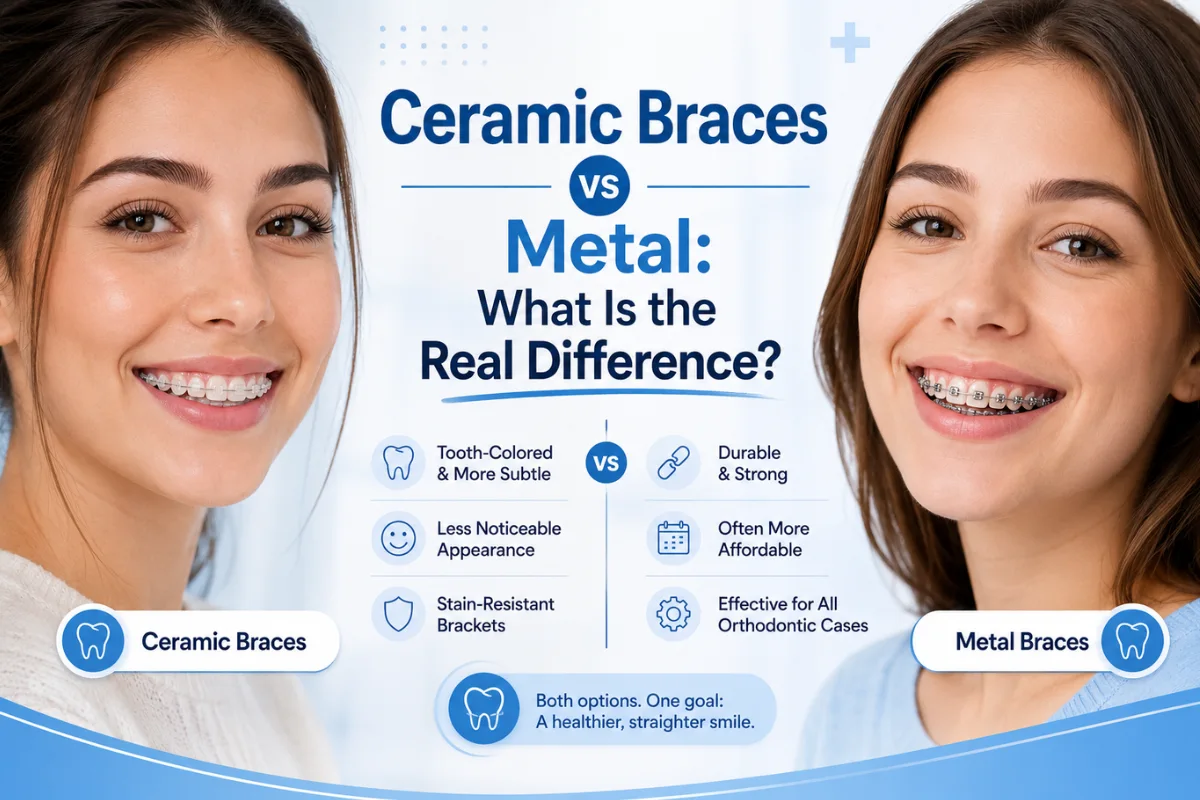
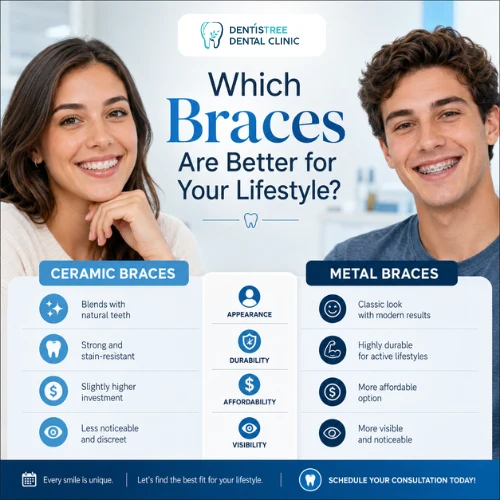
While metal braces are the most common, other options include ceramic braces and lingual braces. However, metal braces remain the most durable and effective for complex cases.


Can't decide between clear aligners and braces? We break down pros, cons, costs, and timelines to help choose the best orthodontic option for your smile.

What Are Clear Aligners

Clear aligners are a modern orthodontic option designed to straighten teeth using a series of custom-made, transparent trays. These aligners fit snugly over the teeth and are changed every few weeks as treatment progresses.

One of the most well-known clear aligner systems is Invisalign, which uses advanced digital planning to guide tooth movement with precision.

How Clear Aligners Work

Clear aligners work by applying gentle, controlled pressure to specific teeth. Each new set of aligners moves the teeth slightly closer to their final position.

Patients typically wear aligners for 20 to 22 hours a day, removing them only for eating, drinking, and oral hygiene.


Clear Aligners vs Braces: Key Differences

Which orthodontic treatment offers the best value? Compare the hidden costs, maintenance, and long-term results of clear aligners vs traditional braces.

When comparing Invisalign vs traditional braces, several factors come into play. Each option has its own advantages and limitations.

Appearance and Aesthetics

One of the biggest reasons patients choose clear aligners is appearance.

Clear Aligners

  • Virtually invisible when worn

  • Ideal for adults and teens concerned about aesthetics

  • Suitable for professional and social settings

Braces

  • Metal brackets are visible

  • Some patients may feel self-conscious

  • Ceramic options are less noticeable but still visible

For patients prioritising discretion, clear aligners have a clear advantage.

Comfort and Daily Experience

Comfort plays a major role in orthodontic treatment, especially for long-term wear.

Clear Aligners

  • Smooth, custom-made trays

  • Less irritation to cheeks and lips

  • No wires or brackets causing friction

Braces

  • Brackets and wires may cause irritation initially

  • Adjustments can lead to temporary soreness

  • Wax may be needed for comfort

While both options involve some pressure as teeth move, many patients find clear aligners more comfortable overall.

Oral Hygiene and Maintenance

Maintaining oral hygiene during orthodontic treatment is essential.

Clear Aligners

  • Removable for brushing and flossing

  • Easier to maintain oral hygiene

  • Lower risk of plaque buildup if worn correctly

Braces

  • Require careful cleaning around brackets and wires

  • Higher risk of plaque accumulation if hygiene is poor

  • Special brushes or tools often needed

For patients who prioritise ease of cleaning, clear aligners are often more convenient.

Dietary Restrictions

Food choices are another important consideration.

Clear Aligners

  • Removed while eating

  • No food restrictions

  • Easier to maintain normal diet

Braces

  • Certain foods must be avoided

  • Hard, sticky, or chewy foods can damage brackets

  • Dietary adjustments are necessary

Clear aligners allow greater flexibility in daily eating habits.

Treatment Effectiveness and Complexity

When it comes to effectiveness, both options work well, but case complexity matters.

Braces

  • Highly effective for complex cases

  • Suitable for severe crowding, bite issues, and jaw alignment

  • Continuous force ensures consistent movement

Clear Aligners

  • Best suited for mild to moderate alignment issues

  • Effective for spacing, crowding, and minor bite problems

  • May have limitations in very complex cases

At DentisTree, orthodontic specialists assess each case carefully to recommend the most effective option.

Compliance and Responsibility

Patient cooperation plays a bigger role with aligners.

Clear Aligners

  • Must be worn consistently for optimal results

  • Success depends on patient discipline

  • Missed wear time can delay progress

Braces

  • Fixed to the teeth

  • Do not rely on patient compliance

  • Progress continues regardless of daily habits

For younger patients or those concerned about consistency, braces may be a more reliable choice.

Treatment Duration

Treatment time varies depending on individual needs.

  • Clear aligner treatment often ranges from 6 to 18 months

  • Braces may take 12 to 24 months or longer for complex cases

Neither option is inherently faster. The key factor is proper planning and consistent follow-up.

Invisalign Advantages Over Braces

For suitable cases, Invisalign advantages over braces include:

  • Discreet appearance

  • Removable convenience

  • Easier oral hygiene

  • Greater comfort

  • Fewer lifestyle restrictions

These benefits make clear aligners a popular choice among adults and working professionals in Dubai.

Clear Aligners vs Metal Braces for Teenagers

Both options can work well for teenagers, depending on maturity and responsibility.

  • Teens who can commit to wearing aligners consistently may benefit from clear aligners

  • Braces may be better for teens who prefer a fixed option

Parental guidance and orthodontic assessment play an important role in this decision.

Best Orthodontic Option in Dubai: Why Personalisation Matters

discover the treatment times, pros, and cons of clear aligners vs traditional braces in dubai.

There is no universal “best” orthodontic option. The best orthodontic option in Dubai depends on:

  • Alignment complexity

  • Age and growth stage

  • Lifestyle and profession

  • Aesthetic preferences

  • Commitment to treatment

At DentisTree Dental Clinic Dubai, orthodontic treatment begins with a detailed evaluation using digital scans and imaging to design a personalised plan.

Life After Orthodontic Treatment: Retainers Matter

Regardless of whether clear aligners or braces are chosen, retention is essential after treatment.

Retainers help:

  • Maintain new tooth positions

  • Prevent relapse

  • Protect long-term results

Skipping retainers can undo months or years of treatment, making them a critical final step.

Orthodontic Expertise at DentisTree Dental Clinic

At DentisTree Dental Clinic Dubai, orthodontic care combines advanced technology with a patient-centred approach. The team focuses on:

  • Accurate diagnosis

  • Personalised treatment planning

  • Clear communication

  • Long-term stability and function

Patients are guided through every stage of treatment, ensuring comfort, confidence, and predictable outcomes.

When to Consult an Orthodontic Specialist

If you are considering orthodontic treatment or unsure which option suits you best, a professional consultation is the first step.

Early evaluation helps identify the most effective and efficient treatment approach.

Making the Right Choice for Your Smile

Clear aligners and braces both offer reliable paths to a healthier, straighter smile. The right choice depends on your needs, lifestyle, and orthodontic goals.

A well-aligned smile improves not only appearance but also comfort, function, and long-term oral health.

Let’s Find the Best Orthodontic Option for You

If you are exploring clear aligners vs braces and want expert guidance, DentisTree Dental Clinic Dubai is here to help.

Contact us on WhatsApp for quick assistance:

📍 Al Barsha Branch: +971 58 581 5201

📍 Jumeirah Branch: +971 56 608 4766

Your orthodontic journey deserves clarity, confidence, and personalised care. A healthier smile begins with the right choice.

Sedation Dentistry for Kids: Safe & Stress-Free Treatments

February 26th, 2026 | Blog 26th, February at 11:41 AM

Dental visits can be challenging for some children. Fear of unfamiliar sounds, previous uncomfortable experiences, or simple anxiety about dental procedures can make even routine appointments stressful. Sedation dentistry for children is designed to address these concerns gently and safely, ensuring that necessary dental care is completed without fear or trauma.

Sedation dentistry is not about putting a child to sleep unnecessarily. It is about helping children feel calm, relaxed, and comfortable during treatment. When used appropriately, it allows dental procedures to be completed safely while protecting a child’s emotional well-being.

At DentisTree Dental Clinic, sedation dentistry for kids is approached with careful assessment, strict safety protocols, and clear communication with parents. The focus is always on the child’s comfort, safety, and long-term trust in dental care.

Why Some Children Struggle with Dental Anxiety

Parents, relax! Safe sedation dentistry for kids in Dubai makes dental visits a breeze. Enjoy stress-free treatments tailored for your child's comfort.

Dental anxiety in children is common and completely understandable. A child’s fear may stem from multiple factors, not all of which are related to pain.

Common reasons for dental anxiety include:

  • Fear of unfamiliar environments
  • Sensitivity to sounds, lights, or smells
  • Difficulty sitting still for extended periods
  • Previous negative medical or dental experiences
  • Separation anxiety from parents
  • Developmental or sensory sensitivities

For some children, reassurance alone is enough. For others, anxiety may prevent essential treatment from being completed comfortably. This is where sedation dentistry becomes a valuable option.

What Is Sedation Dentistry for Children

Sedation dentistry for children involves the use of carefully selected medications to help a child relax during dental treatment. The level of sedation varies depending on the child’s needs, the complexity of the procedure, and medical considerations.

Sedation does not replace good communication or gentle care. It supports them by reducing fear, movement, and stress so treatment can be carried out safely and efficiently.

Sedation is always used with parental consent and after a thorough evaluation of the child’s health and anxiety levels.

Kids’ Dental Sedation Options Explained

There are different kids’ dental sedation options available, each suited to specific situations. The dentist will recommend the most appropriate option based on the child’s age, anxiety level, medical history, and treatment needs.

Mild Sedation

Mild sedation helps children feel relaxed while remaining awake and responsive. It is often used for children with mild anxiety or for shorter procedures.

Children remain conscious but feel calmer and less aware of the dental environment.

Moderate Sedation

Moderate sedation allows deeper relaxation. Children may feel drowsy and have limited memory of the procedure, while still breathing independently and responding to instructions.

This option is often recommended for longer treatments or children with higher anxiety levels.

Deep Sedation and General Anaesthesia

In certain cases, deep sedation or general anaesthesia may be recommended. This is usually reserved for:

  • Extensive dental treatment

  • Very young children unable to cooperate

  • Children with severe anxiety or special healthcare needs

These procedures are carried out under strict medical supervision following established safety guidelines.

Safe Sedation for Pediatric Dentistry

Safety is the primary concern when considering sedation for children. Safe sedation for pediatric dentistry involves careful planning, medical screening, and continuous monitoring.

Before recommending sedation, dentists evaluate:

  • Medical history
  • Allergies
  • Current medications
  • Previous sedation or anaesthesia experiences
  • The child’s physical and emotional development

During sedation, vital signs such as breathing, heart rate, and oxygen levels are closely monitored. Only approved medications and dosages appropriate for children are used.

When performed by trained professionals in a controlled environment, pediatric dental sedation is considered safe and effective.

Overcoming Dental Anxiety in Kids with Sedation

One of the most significant benefits of sedation dentistry is its role in overcoming dental anxiety in kids. A calm, stress-free experience can reshape how a child views dental care.

Positive sedation-supported visits help by:

  • Preventing traumatic memories
  • Allowing successful completion of treatment
  • Building trust with the dental team
  • Reducing fear during future visits

Many children who undergo sedation dentistry later tolerate routine visits without sedation because their confidence improves.

When Is Sedation Dentistry Recommended for Children

Sedation dentistry is not necessary for every child. It is recommended when anxiety or behavioural challenges interfere with safe and effective care.

Situations where sedation may be advised include:

  • Severe dental anxiety or fear

  • Extensive dental treatment required

  • Strong gag reflex

  • Difficulty sitting still

  • Special healthcare needs

  • Previous unsuccessful dental visits

The decision is always made collaboratively between the dentist and parents, keeping the child’s best interests in mind.

Benefits of Sedation Dentistry for Kids

Parents, relax! Safe sedation dentistry for kids in Dubai makes dental visits a breeze. Enjoy stress-free treatments tailored for your child's comfort.

Sedation dentistry offers several important benefits for both children and parents.

Reduced Stress and Fear

Sedation creates a calm experience, helping children feel relaxed throughout the procedure.

Efficient and Complete Treatment

When a child is relaxed, dentists can work more efficiently, often completing treatment in fewer visits.

Improved Safety

Reduced movement allows precise treatment, lowering the risk of injury or incomplete care.

Positive Long-Term Dental Attitudes

A stress-free experience helps children develop healthier attitudes toward dental care.

What Parents Can Expect Before Sedation

Clear communication is essential. Parents receive detailed instructions before any sedation procedure.

This may include:

  • Pre-appointment fasting guidelines

  • Medication instructions

  • What to expect during and after the visit

  • Post-treatment care and observation

Parents are encouraged to ask questions and express concerns. Understanding the process helps parents feel confident and reassured.

Aftercare and Recovery Following Sedation

Say goodbye to dental fear! Discover safe sedation dentistry for kids in Dubai. We guarantee a stress-free, comfortable experience for your child's smile.

After sedation, children may feel drowsy or tired for a few hours. This is normal and temporary.

Post-sedation care typically includes:

  • Allowing rest at home

  • Offering soft foods and fluids

  • Monitoring for unusual symptoms

  • Avoiding strenuous activity for the rest of the day

Dentists provide clear aftercare instructions to ensure smooth recovery.

Sedation Dentistry and Special Healthcare Needs

Children with developmental conditions, sensory sensitivities, or medical challenges may benefit greatly from sedation dentistry in Dubai. It allows necessary care to be delivered without distress or struggle.

Sedation can improve access to dental care for children who may otherwise avoid treatment due to fear or discomfort.

Pediatric Sedation Dentistry in Dubai: Why Expertise Matters

Choosing the right provider for pediatric sedation dentistry in Dubai is essential. Experience, training, and safety protocols make a significant difference.

Sedation dentistry should always be performed by professionals trained in pediatric care, with appropriate equipment and emergency preparedness in place.

A child-friendly environment further supports comfort and confidence.

Building Trust Alongside Sedation

Sedation dentistry is a supportive tool, not a replacement for trust-building. Dentists continue to use gentle communication, reassurance, and age-appropriate explanations before and after sedation.

This approach ensures children feel supported and respected, even when sedation is part of care.

Addressing Common Parental Concerns

Parents often worry about safety, necessity, and long-term effects. These concerns are valid and should always be discussed openly.

Sedation dentistry is:

  • Used only when necessary
  • Carefully planned and monitored
  • Supported by clinical guidelines
  • Focused on the child’s well-being

Open communication helps parents feel confident in the decision-making process.

Long-Term Impact of Stress-Free Dental Care

Children who receive dental care in a calm, supportive environment are more likely to:

  • Attend regular dental visits
  • Maintain better oral hygiene
  • Avoid dental anxiety as adults
  • Experience fewer dental emergencies

Sedation dentistry, when used appropriately, contributes to these positive outcomes.

A Gentle, Child-Centred Approach at DentisTree Dental Clinic

At DentisTree Dental Clinic Dubai, sedation dentistry for kids is part of a broader commitment to compassionate, child-centred care. Each child is treated as an individual, with respect for their emotional and physical needs.

The dental team prioritises:

  • Safety and medical precision
  • Clear communication with parents
  • Emotional comfort for children
  • Positive long-term experiences

Sedation is used thoughtfully, always with the child’s best interests at heart.

When to Consider Sedation Dentistry for Your Child

If your child experiences intense dental anxiety, has difficulty cooperating during treatment, or requires extensive dental care, sedation dentistry may be an appropriate option.

A professional consultation helps determine the safest and most suitable approach.

Calm Dental Visits Create Confident Smiles

Dental care does not have to be a source of fear. With the right approach, children can receive necessary treatment in a calm, stress-free way.

Sedation dentistry supports comfort, safety, and positive dental experiences when anxiety would otherwise stand in the way.

Let’s Make Dental Care Comfortable for Your Child

If you are concerned about your child’s dental anxiety or upcoming treatment, DentisTree Dental Clinic Dubai is here to help.

Contact us on WhatsApp for quick assistance:

📍 Al Barsha Branch: +971 58 581 5201

📍 Jumeirah Branch: +971 56 608 4766

Every child deserves gentle, stress-free dental care. With the right support, confident smiles begin early.


Pediatric Dental Checkups: Importance & Benefits Explained

February 20th, 2026 | Blog 20th, February at 6:21 AM

For many parents, dental visits begin only when a child complains of pain or a visible cavity appears. However, pediatric dental care is most effective when it starts early and continues consistently. Pediatric dental checkups are not just about treating problems. They are about preventing them, guiding healthy development, and building positive dental habits that last a lifetime.

Children’s teeth, gums, and jaws are constantly developing. Regular dental visits during childhood help ensure this development happens correctly, comfortably, and without avoidable complications. The importance of children’s dental exams goes far beyond cavities. These visits support speech development, nutrition, confidence, and overall well-being.

At DentisTree Dental Clinic, pediatric dentistry focuses on prevention, education, and gentle care. The aim is to help children grow up with healthy smiles and without fear of dental visits.

Why Pediatric Dental Checkups Are Different from Adult Visits

Children are not simply small adults when it comes to dental care. Their mouths are constantly changing. Primary teeth play a crucial role in guiding permanent teeth, maintaining space, supporting jaw growth, and aiding speech development.

Pediatric dental checkups are designed to:

  • Monitor tooth eruption and alignment
  • Assess jaw growth and bite development
  • Identify early cavities or enamel weakness
  • Guide proper brushing and dietary habits
  • Detect habits such as thumb sucking or teeth grinding

These visits focus on growth and prevention rather than repair, which is why starting early makes such a difference.

Kids’ First Dental Visit: When and Why It Matters

Don't skip the dentist! Find out why pediatric dental checkups in Dubai are essential for your child's growth. Read about the major benefits now.

Many parents wonder when their child should see a dentist for the first time. Ideally, a child’s first dental visit should take place by their first birthday or within six months of the first tooth erupting.

The kids’ first dental visit is usually simple and non-invasive. It allows the dentist to:

  • Check early tooth development
  • Examine gums and oral tissues
  • Educate parents about oral hygiene
  • Discuss feeding habits and teething
  • Address concerns before problems begin

Early visits help children become familiar with the dental environment, making future appointments stress-free and routine.

The Importance of Children’s Dental Exams in Early Years

The early years are critical for establishing strong oral health foundations. Baby teeth may be temporary, but their health has a long-term impact.

Untreated dental issues in children can lead to:

  • Pain and infection
  • Difficulty eating or sleeping
  • Speech development challenges
  • Early tooth loss affecting permanent teeth
  • Increased anxiety around dental care

Regular pediatric dental checkups allow early identification of issues, making treatment simpler and more comfortable.

What Happens During a Pediatric Dental Checkup

Learn why regular pediatric dental checkups are vital for your child's health. Explore the top benefits, from stopping cavities to boosting confidence.

A pediatric dental exam is designed to be gentle, educational, and reassuring for both the child and the parent.

A typical checkup includes:

  • Examination of teeth for cavities or enamel defects
  • Assessment of gum health
  • Monitoring of tooth eruption patterns
  • Evaluation of bite and jaw alignment
  • Cleaning when appropriate
  • Fluoride application if needed
  • Guidance on brushing, flossing, and diet

These visits also provide an opportunity for parents to ask questions and receive personalised advice based on the child’s age and development.

Benefits of Regular Kids’ Dental Visits

The benefits of regular kids’ dental visits extend far beyond preventing cavities. Consistent checkups support overall growth and long-term oral health.

Early Detection of Dental Problems

Cavities in children can progress quickly. Regular checkups allow dentists to detect decay at an early stage, often before the child experiences pain.

Early treatment is:

  • Less invasive
  • More comfortable
  • Less costly
  • Less stressful for the child

Supporting Proper Tooth and Jaw Development

Dentists monitor how teeth are erupting and how the jaw is developing. Early signs of crowding, bite issues, or spacing problems can be identified and managed at the right time.

This proactive approach may reduce the need for complex orthodontic treatment later.

Encouraging Healthy Oral Hygiene Habits

Children learn best through repetition and guidance. Regular dental visits reinforce proper brushing and flossing techniques and help children understand the importance of oral care.

Dentists can also tailor advice based on the child’s ability and routine, making habits easier to maintain at home.

Reducing Dental Anxiety

Children who visit the dentist regularly are less likely to develop dental fear. Familiarity with the dental environment builds trust and confidence.

A positive experience during early visits often leads to relaxed attitudes toward dental care in adulthood.

Pediatric Dental Checkups and Overall Health

Oral health is closely linked to general health, even in children. Dental infections can affect nutrition, immunity, and overall comfort.

Healthy teeth support:

  • Proper chewing and digestion
  • Clear speech development
  • Balanced nutrition
  • Better sleep quality

Preventive dental care contributes to a child’s physical and emotional well-being.

Dental Care During Key Growth Stages

Toddlers and Preschoolers

At this stage, the focus is on cavity prevention, teething guidance, and habit management such as thumb sucking or pacifier use.

School-Age Children

As permanent teeth begin to erupt, dentists monitor spacing, alignment, and hygiene habits. Early orthodontic assessments may be recommended if needed.

Adolescents

Hormonal changes during adolescence can increase the risk of gum inflammation. Regular checkups help manage gum health, enamel wear, and orthodontic care if present.

Each stage requires tailored care, which is why consistency is so important.

Pediatric Dentist Checkup in Dubai: Why Regular Visits Matter

Lifestyle factors in Dubai, such as frequent snacking, sugary drinks, and busy schedules, can increase the risk of dental problems in children.

Pediatric dentist checkups in Dubai help:

  • Monitor early signs of decay
  • Manage diet-related dental risks
  • Provide fluoride and preventive treatments
  • Guide parents on oral care routines suited to modern lifestyles

Regular visits ensure children receive timely care despite fast-paced routines.

Preventive Treatments Commonly Recommended for Children

Preventive dental treatments may be advised based on the child’s risk factors.

These may include:

  • Fluoride applications to strengthen enamel
  • Dental sealants to protect molars from cavities
  • Habit counselling for thumb sucking or grinding
  • Dietary advice to reduce cavity risk

Preventive care reduces the likelihood of dental emergencies and extensive treatment later.

The Role of Parents in Pediatric Oral Health

Parents play a vital role in maintaining their child’s oral health. Dental checkups support parents with guidance and reassurance.

Parents are encouraged to:

  • Supervise brushing until the child develops good coordination
  • Encourage water over sugary drinks
  • Limit frequent snacking
  • Schedule regular dental visits

Consistent routines at home combined with professional care lead to the best outcomes.

Common Myths About Children’s Dental Care

Many parents believe baby teeth do not require much attention because they will fall out. In reality, early tooth loss can affect permanent tooth alignment and jaw development.

Another common misconception is that dental visits should wait until problems arise. Preventive care is always easier than treatment.

Pediatric dental checkups address these misconceptions through education and early guidance.

Long-Term Benefits of Early and Regular Dental Visits

Children who receive regular dental care are more likely to:

  • Maintain healthy teeth into adulthood
  • Avoid dental anxiety
  • Require fewer complex treatments later
  • Develop strong oral hygiene habits

The benefits extend well beyond childhood, supporting lifelong oral health.

A Child-Friendly Approach at DentisTree Dental Clinic

At DentisTree Dental Clinic Dubai, pediatric dental care is delivered with patience, empathy, and a gentle approach. The environment is designed to make children feel comfortable and safe.

The focus is on:

  • Building trust
  • Explaining procedures in simple terms
  • Encouraging positive experiences
  • Educating both children and parents

Each visit is structured to support both dental health and emotional comfort.

When to Schedule Your Child’s Dental Checkup

If your child has not yet had a dental visit, or if it has been more than six to twelve months since their last checkup, it is the right time to schedule an appointment.

Early evaluation helps prevent future dental issues and supports healthy development.

Healthy Smiles Begin in Childhood

Pediatric dental checkups are an essential part of a child’s healthcare journey. They support healthy growth, prevent discomfort, and build confidence.

By prioritising regular dental visits, parents invest in their child’s long-term health and wellbeing.

Let’s Care for Your Child’s Smile Together

If you are looking for gentle, preventive, and child-focused dental care in Dubai, DentisTree Dental Clinic is here to support your family.

Contact us on WhatsApp for quick assistance:

📍 Al Barsha Branch: +971 58 581 5201

📍 Jumeirah Branch: +971 56 608 4766

A lifetime of healthy smiles begins with one simple step. A caring dental checkup at the right time.

Annual Dental Checkups: Why Consistency Is Crucial

February 9th, 2026 | Blog 9th, February at 1:20 PM

Many patients visit the dentist only when there is pain, swelling, or a visible problem. While this approach may seem practical in a busy lifestyle, it often allows small, manageable issues to progress into complex dental conditions. This is where the importance of regular dental checkups becomes clear.

Annual dental checkups are not just routine appointments. They are a cornerstone of preventive healthcare. They help maintain oral health, prevent future complications, and protect overall well-being. Consistency, rather than urgency, is what truly keeps teeth and gums healthy over time.

At DentisTree Dental Clinic, preventive care forms the foundation of every treatment plan. The goal is to identify concerns early, guide patients proactively, and ensure long-term oral stability rather than short-term fixes.

What Happens During an Annual Dental Checkup

Many patients underestimate what a yearly dental visit involves. It is far more than a quick look at the teeth.

A comprehensive dental checkup typically includes:

  • Examination of teeth for cavities, cracks, or wear

  • Evaluation of gum health and signs of inflammation

  • Assessment of bite alignment and jaw function

  • Screening for oral infections or early lesions

  • Dental X-rays when required to check areas not visible to the eye

  • Professional cleaning to remove plaque and tartar

Each of these steps plays a role in early detection and prevention. Problems that are painless in the early stages often become painful and expensive if ignored.

The Importance of Regular Dental Checkups

Keep your smile bright in Dubai! Annual dental checkups prevent costly issues. Discover why consistency is the secret to long-term oral health today.

The importance of regular dental checkups lies in prevention. Most dental problems develop gradually. Cavities, gum disease, enamel erosion, and jaw issues often begin silently.

Regular checkups help by:

  • Detecting decay before it reaches the nerve

  • Identifying gum disease in its earliest stage

  • Monitoring existing restorations for wear or leakage

  • Preventing infections from spreading

  • Maintaining stable oral health year after year

Consistency allows dentists to track changes over time rather than reacting to emergencies.

Why Get Dental Checkups Yearly Even Without Symptoms

A common question patients ask is why they should get dental checkups yearly if nothing hurts. The answer is simple. Dental disease does not always cause immediate symptoms.

Cavities can grow beneath the surface of the tooth without visible signs. Gum disease can progress without pain until bone loss has already occurred. Cracks in teeth may remain unnoticed until they suddenly fracture.

Annual visits allow early intervention, which is:

  • Less invasive

  • More affordable

  • More predictable

  • Easier to manage

Waiting for symptoms often means treatment becomes more complex than necessary.

Annual Dental Visits: Benefits Beyond Teeth

The benefits of annual dental visits extend far beyond maintaining a clean smile.

Protecting Gum Health

Gum disease is one of the leading causes of tooth loss in adults. Regular checkups allow early detection of gum inflammation before it progresses to periodontitis.

Professional cleanings and timely guidance help preserve gum tissue and supporting bone.

Supporting Overall Health

Oral health is closely linked to systemic health. Chronic gum inflammation has been associated with heart disease, diabetes complications, and weakened immunity.

By maintaining oral health through preventive dental checkups, patients indirectly support their general wellness.

Saving Time and Cost Long-Term

Preventive care reduces the need for emergency treatments, root canals, or extractions. Annual checkups often save patients time, discomfort, and financial burden in the long run.

Dental Exam Frequency: Is Once a Year Enough

For many patients, an annual dental exam is sufficient. However, dental exam frequency can vary based on individual risk factors.

Patients who may need more frequent visits include:

  • Those with a history of gum disease

  • Patients prone to cavities

  • Diabetic patients

  • Smokers

  • Individuals undergoing orthodontic or restorative treatment

Your dentist may recommend visits every six months or more frequently based on your oral health needs. The key is consistency rather than a fixed number.

Preventive Dental Checkups in Dubai: Why They Matter More Than Ever

Lifestyle habits in Dubai often include frequent dining out, coffee consumption, sugary drinks, and busy schedules that delay routine care. These factors increase the risk of cavities, staining, and gum disease.

Preventive dental checkups in Dubai help balance these lifestyle factors by:

  • Monitoring early enamel erosion

  • Managing gum health proactively

  • Addressing staining before it becomes severe

  • Providing guidance tailored to local dietary habits

Regular visits help patients maintain oral health despite modern lifestyle demands.

The Role of Dental X-Rays in Annual Checkups

Living in Dubai? Don't skip the dentist! Learn why consistent annual dental checkups are crucial for catching decay early and avoiding emergencies.

Dental X-rays are an important part of preventive care. They allow dentists to see areas that are not visible during a clinical exam.

X-rays help detect:

  • Cavities between teeth

  • Bone loss due to gum disease

  • Impacted teeth

  • Early infections

  • Issues beneath crowns or fillings

Modern digital X-rays use minimal radiation and provide valuable diagnostic information that supports early treatment.

How Consistency Builds a Healthier Smile Over Time

Consistency in dental care allows your dentist to understand your oral health pattern. Small changes can be detected early because there is a reference point from previous visits.

This continuity helps with:

  • Monitoring bite changes

  • Tracking gum health progression

  • Assessing wear from grinding or clenching

  • Planning future care proactively

A dentist who sees you regularly can offer personalised advice rather than generic recommendations.

Annual Dental Checkups for Children and Adolescents

Children benefit significantly from consistent dental visits. Annual checkups help monitor tooth development, detect early cavities, and guide oral hygiene habits.

For adolescents, checkups also help identify orthodontic needs, enamel wear, and gum inflammation related to hormonal changes.

Early guidance sets the foundation for lifelong oral health.

Adult and Senior Dental Care: The Value of Regular Monitoring

In adults, annual checkups help manage cumulative wear, existing restorations, and gum health. For seniors, regular monitoring becomes even more important due to dry mouth, medication effects, and a higher risk of gum disease.

Preventive care supports comfort, nutrition, and overall quality of life at every stage.

Common Problems Prevented by Regular Dental Visits

Consistent checkups help prevent:

  • Advanced tooth decay

  • Severe gum disease

  • Tooth loss

  • Jaw joint disorders

  • Costly emergency treatments

Many of these conditions are preventable when detected early.

What Happens When Dental Checkups Are Skipped

Skipping routine visits often leads to delayed diagnosis. Minor issues may progress unnoticed until pain or swelling appears.

At that stage, treatment may involve:

  • Root canal therapy

  • Tooth extraction

  • Gum surgery

  • Extensive restorative work

Preventive care reduces the likelihood of these outcomes.

Preventive Care Philosophy at DentisTree Dental Clinic

At DentisTree Dental Clinic Dubai, preventive dentistry is approached with care, precision, and patient education. The focus is on maintaining oral health rather than chasing problems.

Advanced diagnostic tools, digital imaging, and personalised care plans allow early detection and effective prevention. Patients are guided on oral hygiene, diet, and habits that support long-term results.

Each visit is designed to be informative, comfortable, and proactive.

When to Schedule Your Next Dental Checkup

If it has been more than a year since your last dental visit, or if you are unsure about your dental exam frequency, it is the right time to schedule a checkup.

Early evaluation helps prevent future complications and keeps oral health on track.

Consistency Is the Key to Lasting Oral Health

Annual dental checkups are not optional appointments. They are an essential part of preventive healthcare. Consistency allows early detection, reduces treatment complexity, and supports long-term wellness.

A healthy smile is maintained through regular care, not occasional treatment.
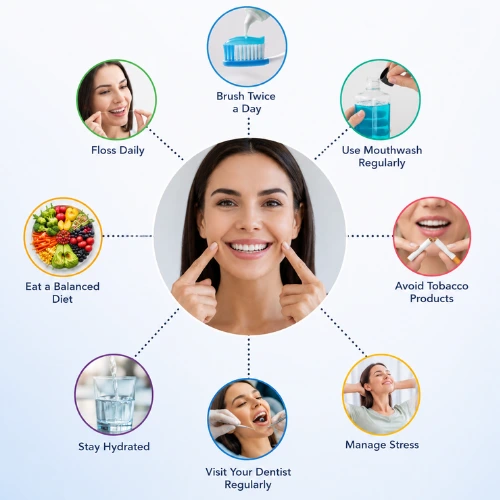
Let’s Keep Your Smile Healthy Year After Year

If you value long-term oral health and want to avoid unnecessary dental problems, preventive care is the best place to start.

At DentisTree Dental Clinic Dubai, the team is committed to helping patients maintain healthy smiles through consistent, preventive dental checkups.

Contact us on WhatsApp for quick assistance:

📍 Al Barsha Branch: +971 58 581 5201

📍 Jumeirah Branch: +971 56 608 4766

Your smile deserves regular care. One annual visit can make a lifetime of difference.

Diet Tips for Healthier Teeth and Gums: Expert Advice

January 28th, 2026 | Blog 28th, January at 5:47 AM

When patients think about dental care, brushing and flossing usually come to mind first. While these habits are essential, diet plays an equally important role in maintaining strong teeth and healthy gums. What we eat every day directly affects the strength of enamel, the health of the gums, and the balance of bacteria in the mouth.

At DentisTree Dental Clinic, patients are often surprised to learn how closely diet and oral health are connected. A teeth-friendly diet does more than prevent cavities. It supports gum health, reduces inflammation, protects enamel, and contributes to long-term oral wellness.

Understanding the right foods for healthy teeth and gums allows patients to take simple, practical steps toward better dental health without complicated routines or drastic changes.

How Diet Affects Oral Health

Every time you eat or drink, your mouth responds. Sugars and refined carbohydrates feed harmful bacteria, which produce acids that weaken enamel and irritate the gums. On the other hand, nutrient-rich foods help neutralise acids, strengthen teeth, and support tissue repair.

Diet influences oral health by:

  • Affecting saliva production

  • Feeding beneficial or harmful bacteria

  • Strengthening or weakening tooth enamel

  • Supporting gum tissue and bone health

A balanced diet for stronger teeth helps maintain a stable oral environment where decay and gum disease are less likely to develop.

Foods for Healthy Teeth and Gums

Explore expert advice on the best foods for oral health. From crunchy veggies to dairy, find out what your teeth need.

Certain foods actively protect teeth and gums by supplying essential nutrients and stimulating saliva flow.

Dairy Products for Enamel Strength

Milk, cheese, and yoghurt are excellent foods for healthy teeth and gums. They are rich in calcium and phosphates, which help rebuild and strengthen tooth enamel.

Cheese also stimulates saliva, which helps wash away food particles and neutralise acids after meals.

Crunchy Fruits and Vegetables

Apples, carrots, celery, and cucumbers act as natural tooth cleaners. Their fibrous texture helps remove plaque from tooth surfaces while chewing increases saliva production.

These foods also provide vitamins that support gum health and reduce inflammation.

Leafy Greens and Nutrient-Dense Vegetables

Spinach, kale, broccoli, and other leafy greens are rich in calcium, folic acid, and antioxidants. These nutrients help strengthen enamel and improve gum resistance to infection.

Leafy greens are particularly helpful for patients prone to gum bleeding or inflammation.

Nuts and Seeds

Almonds, walnuts, and sesame seeds provide healthy fats, minerals, and protein without added sugars. They support jawbone strength and overall oral health.

Nuts are also less likely to stick to teeth compared to sugary snacks, making them a safer choice between meals.

Lean Proteins

Eggs, fish, chicken, and legumes supply phosphorus and vitamin D, which are essential for strong teeth and bone support.

Fatty fish such as salmon also provide omega-3 fatty acids, which help reduce gum inflammation.

Best Foods to Prevent Cavities

Cavities develop when acid-producing bacteria weaken enamel over time. Choosing the right foods can significantly lower this risk.

Foods that help prevent cavities include:

  • Cheese and yoghurt

  • Plain milk

  • Crunchy vegetables

  • Green and black tea (without sugar)

  • Whole grains

These foods support enamel repair, promote saliva production, and limit acid damage.

Replacing frequent sugary snacks with these options can make a noticeable difference in cavity prevention.

Teeth-Friendly Diet Tips for Daily Life

Maintaining a teeth-friendly diet does not require strict restrictions. Small adjustments can protect teeth and gums effectively.

Practical teeth-friendly diet tips include:

  • Eat sugary foods with meals rather than between meals

  • Rinse your mouth with water after eating acidic foods

  • Limit snacking throughout the day

  • Choose whole foods over processed snacks

  • Drink water frequently to support saliva flow

Saliva plays a key role in protecting teeth. Staying hydrated helps maintain natural defences against decay and gum disease.

The Role of Sugar and Acids in Tooth Decay

Sugar is one of the main contributors to cavities, but frequency matters more than quantity. Repeated exposure to sugar throughout the day keeps acid levels high, increasing enamel damage.

Acidic foods and drinks such as citrus fruits, soft drinks, and energy drinks can also weaken enamel directly.

This does not mean these foods must be avoided completely. Timing, moderation, and proper oral care make a significant difference.

Foods That Stain Teeth

Get expert advice on the best diet for healthy gums and strong enamel.

Many patients in Dubai are concerned about tooth staining due to lifestyle habits. Certain foods and beverages can gradually discolour teeth, especially when consumed frequently.

Common foods that stain teeth include:

  • Coffee and tea

  • Red wine

  • Dark berries

  • Soy sauce

  • Coloured spices such as turmeric

While these foods do not harm teeth directly, they can affect appearance. Rinsing the mouth with water after consumption and maintaining regular professional cleanings can help reduce staining.

Diet and Gum Health: An Important Connection

Healthy gums rely on adequate nutrients to stay firm and resistant to infection. Vitamin C, in particular, plays a crucial role in maintaining gum tissue integrity.

A diet lacking in essential vitamins may lead to:

  • Bleeding gums

  • Increased inflammation

  • Slower healing

  • Higher risk of gum disease

Including fruits, vegetables, and whole foods supports gum health and reduces the likelihood of periodontal problems.

Oral Health and Lifestyle in Dubai

Busy schedules, frequent dining out, and high consumption of coffee or sugary drinks are common lifestyle factors in Dubai. These habits can increase the risk of cavities and gum disease if oral care is neglected.

Being mindful of diet choices, staying hydrated, and maintaining regular dental visits help balance modern lifestyle demands with long-term oral health.

How Professional Dental Care Complements a Healthy Diet

Even the best diet cannot replace professional dental care. Plaque and tartar buildup require professional removal, and early signs of decay or gum disease need timely intervention.

At DentisTree, preventive care works hand-in-hand with dietary guidance. Patients receive personalised advice based on their oral health needs, lifestyle, and risk factors.

Teaching Children Healthy Eating Habits for Strong Teeth

Children benefit greatly from early dietary guidance. Limiting sugary snacks, encouraging water over sweet drinks, and offering tooth-friendly foods help build lifelong habits.

Healthy eating supports proper tooth development, reduces cavities, and improves overall well-being in growing children.

Long-Term Benefits of a Teeth-Friendly Diet

A balanced diet for stronger teeth offers benefits beyond oral health:

  • Reduced risk of cavities and gum disease

  • Less sensitivity and enamel wear

  • Better digestion and nutrition

  • Improved confidence from a healthier smile

Small daily choices have a long-term impact on dental health and overall quality of life.

Expert Care and Guidance at DentisTree Dental Clinic

At DentisTree Dental Clinic Dubai, oral health is approached with a preventive and educational mindset. Patients are guided not only on treatments but also on lifestyle and dietary habits that support lasting results.

Modern diagnostic tools, personalised care plans, and patient education ensure each individual receives comprehensive support for healthy teeth and gums.

When to Seek Dental Advice

If you experience frequent cavities, gum bleeding, sensitivity, or visible staining, a dental evaluation can help identify dietary and oral care factors contributing to these issues.

Early guidance prevents minor concerns from becoming complex problems.

Healthy Teeth Begin with Smart Choices

Diet plays a powerful role in maintaining oral health. Choosing the right foods, limiting harmful habits, and supporting daily oral hygiene can protect your teeth and gums for years to come.

A healthy smile is built not just in the dental chair, but through everyday choices.

Let’s Build Healthier Smiles Together

If you would like personalised guidance on improving your oral health through better dietary habits, DentisTree Dental Clinic Dubai is here to help.

Contact us on WhatsApp for quick assistance:

📍 Al Barsha Branch: +971 58 581 5201

📍 Jumeirah Branch: +971 56 608 4766

Healthy teeth and gums start with informed choices. Your smile deserves care from the inside out.

Insurance Accepted

Insurance Partners
Insurance Partners
Insurance Partners
Insurance Partners
Insurance Partners

    Book An Appointment

    Get the right Dentist Care Book with your Doctor

    Submit your details to book yourself an online consultation now.