
Author Archive

Preventative Dental Care: Building Strong Habits in Children

June 25th, 2026 | Blog 25th, June at 3:34 PM

Healthy dental habits in childhood often shape how a person cares for their teeth for years to come. Simple routines like proper brushing, mindful eating, and regular dental check-ups can help children avoid common problems early while making oral care feel easier and less stressful.

Preventative dental care is not just about stopping cavities; it is about creating confidence, consistency, and a positive relationship with dental visits from a young age. At DentisTree Dental Clinic, we focus on helping families build those strong foundations early, so children can grow up with healthier smiles and better habits.

Why Preventive Dental Care Matters in Childhood

Children’s teeth and jaws are constantly developing. Baby teeth guide permanent teeth into place, maintain space in the jaw, and support chewing and speech. When preventive care is neglected, early dental issues can disrupt this natural process.

Preventive dental care helps by:

  • Reducing the risk of cavities and gum disease
  • Supporting healthy tooth and jaw development
  • Preventing pain and dental emergencies
  • Encouraging lifelong oral hygiene habits
  • Minimising dental anxiety

Most childhood dental problems are preventable with consistent care, education, and early professional guidance.

Understanding Preventive Dental Care for Children

Preventive dental care includes all the steps taken to keep teeth and gums healthy before problems arise. It combines professional dental visits with daily habits at home.

Key elements of preventive dental care for children include:

  • Regular dental checkups
  • Professional cleanings when appropriate
  • Fluoride treatments to strengthen enamel
  • Dental sealants to protect molars
  • Daily brushing and flossing
  • Healthy eating habits

Each element works together to protect children’s oral health as they grow.

Building Dental Habits in Kids Starts Early
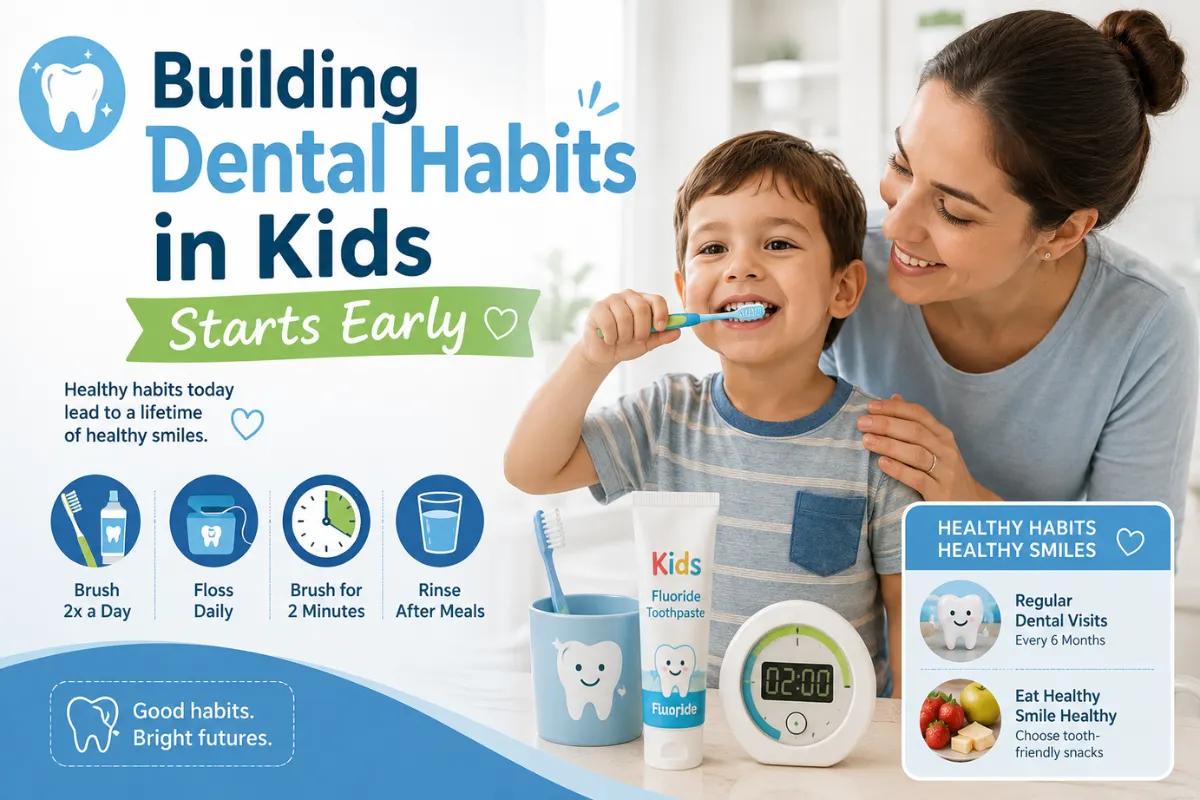
Building Dental Habits in Kids Starts Early

Habits formed during early childhood often last a lifetime. When oral care becomes part of a child’s daily routine, it feels normal rather than forced.

Building dental habits in kids should begin as soon as the first tooth appears. Even before brushing starts, cleaning gums with a soft cloth helps children get used to oral care.

Simple early habits include:

  • Brushing twice a day with age-appropriate toothpaste
  • Making brushing a routine, not a punishment
  • Encouraging rinsing after meals
  • Visiting the dentist regularly

Consistency matters more than perfection. Gentle repetition builds confidence and familiarity.

Teaching Children Dental Care at Home

Teaching children dental care works best when it is age-appropriate and positive. Children learn by observing and copying adults, so parental involvement plays a key role.

Making Brushing a Daily Routine

Children respond well to structure. Brushing at the same time every morning and night helps establish consistency.

Tips for parents include:

  • Brushing together as a family
  • Using a timer or a favourite song to guide brushing time
  • Allowing children to choose their toothbrush
  • Praising effort rather than focusing on mistakes

Supervision is important until children develop good coordination, usually around six to seven years of age.

Introducing Flossing Gently

Flossing can be introduced once teeth begin to touch. Child-friendly flossers make the process easier and less intimidating.

Early exposure helps children accept flossing as part of normal oral care rather than an extra task.

Kids’ Oral Hygiene Habits and Their Long-Term Impact

Good oral hygiene habits protect children from common dental problems such as cavities and gum inflammation. More importantly, they teach responsibility for personal health.

Strong kids’ oral hygiene habits contribute to:

  • Fewer dental visits for treatment
  • Reduced discomfort and pain
  • Better confidence in social settings
  • Healthier eating habits

Children who understand why oral care matters are more likely to follow routines willingly.

The Role of Diet in Preventive Dental Care

Diet plays a major role in preventive dentistry for children. Frequent sugar intake feeds harmful bacteria, increasing the risk of cavities.

Preventive dietary habits include:

  • Limiting sugary snacks and drinks
  • Encouraging water instead of sweetened beverages
  • Offering tooth-friendly snacks like fruits, vegetables, and dairy
  • Avoiding constant grazing throughout the day

Timing also matters. Sugary foods consumed with meals are less harmful than frequent snacking between meals.

Professional Preventive Dentistry for Kids in Dubai

Professional dental care supports home routines by identifying risks early and providing protective treatments.

Preventive dentistry for kids in Dubai often includes:

  • Routine dental exams
  • Professional cleanings
  • Fluoride applications
  • Dental sealants on molars
  • Habit assessments, such as thumb sucking or grinding

These visits help prevent problems rather than reacting to them.

Dental Sealants and Fluoride: Extra Protection for Growing Teeth
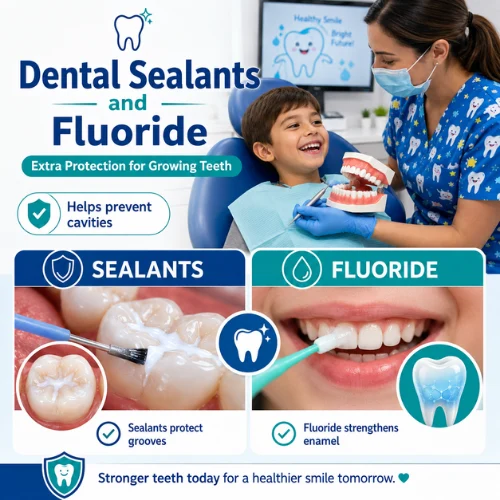
Dental Sealants and Fluoride: Extra Protection for Growing Teeth

Dental Sealants

Sealants are thin protective coatings applied to the chewing surfaces of molars. These grooves are difficult to clean and prone to cavities.

Sealants:

  • Act as a barrier against bacteria
  • Reduce cavity risk significantly
  • Are painless and quick to apply

They are especially beneficial during the early years of permanent tooth eruption.

Fluoride Treatments

Fluoride strengthens enamel and makes teeth more resistant to acid attacks. Professional fluoride applications provide added protection, especially for children prone to cavities.

Both treatments support preventive care without discomfort.

Preventive Care During Different Growth Stages

Toddlers and Preschoolers

Focus is on:

  • Establishing brushing routines
  • Managing teething discomfort
  • Preventing early childhood cavities
  • Addressing habits like pacifier use

School-Age Children

At this stage, preventive care includes:

  • Monitoring permanent tooth eruption
  • Reinforcing brushing and flossing techniques
  • Assessing bite and spacing
  • Applying sealants when appropriate

Adolescents

Hormonal changes can increase gum sensitivity. Preventive care focuses on:

  • Managing gum health
  • Addressing orthodontic hygiene
  • Preventing enamel erosion

Each stage requires tailored preventive strategies.

Preventing Dental Anxiety Through Positive Experiences
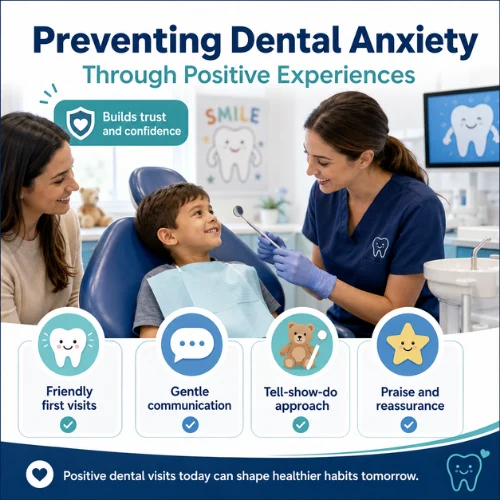
Preventing Dental Anxiety in kids Through Positive Experiences

Children who associate dental visits with fear often avoid care later in life. Preventive visits help normalise dental care and build trust.

Positive experiences include:

  • Short, non-invasive visits
  • Clear explanations in simple language
  • Gentle handling
  • Encouragement and reassurance

A calm, supportive environment makes a lasting difference.

Common Mistakes That Undermine Preventive Care

Despite best intentions, some habits can weaken preventive efforts.

Common mistakes include:

  • Letting children fall asleep with milk or juice
  • Frequent snacking on sugary foods
  • Skipping dental visits unless there is pain
  • Assuming baby teeth do not need care

Preventive education helps parents avoid these pitfalls early.

The Role of Parents in Preventive Dentistry

Parents guide routines, food choices, and dental visits. Their involvement is essential in building strong habits.

Parents can support preventive care by:

  • Supervising brushing and flossing
  • Scheduling regular dental visits
  • Encouraging healthy snacks
  • Setting a positive example

Consistency at home combined with professional care leads to the best outcomes.

Long-Term Benefits of Preventive Dental Care in Children

Children who receive consistent preventive care are more likely to:

  • Avoid extensive dental treatments
  • Maintain healthy teeth into adulthood
  • Develop confidence in oral care
  • Experience less dental anxiety

Preventive dentistry protects both physical and emotional well-being.

Preventive Philosophy at DentisTree Dental Clinic

Preventive care for children is delivered with patience, education, and a child-friendly approach. The focus is on long-term health rather than short-term treatment.

Each child receives personalised guidance based on age, development, and risk factors. Parents are actively involved in the process, ensuring continuity of care at home.

The aim is to build habits that last well beyond childhood.

When to Start Preventive Dental Care

Preventive care should begin early and continue consistently. If your child has not yet started regular dental visits, it is never too late to begin.

Early evaluation allows guidance, reassurance, and protection before problems develop.

Strong Habits Create Healthy Smiles

Preventive dental care is not about strict rules or perfection. It is about building simple, consistent habits that protect children’s teeth as they grow.

By focusing on prevention, parents give their children the gift of comfort, confidence, and long-term oral health.

Let’s Build Healthy Dental Habits Together

If you want to support your child’s oral health through preventive care and positive routines, DentisTree Dental Clinic Dubai is here to guide you.

Contact us on WhatsApp for quick assistance:

📍 Al Barsha Branch: +971 58 581 5201

📍 Jumeirah Branch: +971 56 608 4766

Healthy smiles are built one habit at a time. Preventive care today shapes confident smiles tomorrow. Book your consultation today!

Top Tooth Whitening Procedures and Their Lasting Effects

June 22nd, 2026 | Blog 22nd, June at 2:42 PM

A brighter smile can make a noticeable difference in how you look and how confidently you speak, laugh, and interact every day. Over time, teeth can lose their natural brightness due to coffee, tea, smoking, ageing, and everyday food stains. At DentisTree Dental Clinic, we often meet patients who want whiter teeth but feel unsure about which treatment is safe, effective, and worth the investment. Understanding modern tooth whitening procedures can help you choose an option that suits both your smile goals and your lifestyle.

Whitening is not just about making teeth look brighter for a few days; it is about choosing the right method, protecting your enamel, and understanding how long your results can realistically last. If you are considering a brighter smile, this guide will help you compare the most popular whitening options and what to expect from each one.

Why Teeth Become Discoloured Over Time

Before choosing a whitening treatment, it helps to understand why teeth lose brightness in the first place. Tooth discolouration can happen for several reasons, and not all stains respond the same way.

Common Causes of Tooth Staining

  • Coffee and tea
  • Red wine
  • Smoking or tobacco use
  • Dark-coloured foods and sauces
  • Poor plaque control
  • Age-related enamel thinning
  • Certain medications
  • Trauma to a tooth
  • Internal staining from previous dental issues

Some stains are extrinsic, which means they sit on the outer surface of the enamel and are often easier to improve. Others are intrinsic, which means they affect deeper tooth structure and may need more advanced treatment than simple whitening.

This is why a proper dental assessment matters before choosing any whitening method.

What Is Teeth Whitening?

Teeth whitening is a cosmetic dental treatment designed to lighten the colour of natural teeth by reducing stains and brightening enamel. Whitening treatments typically use peroxide-based agents that break down stain molecules and make the tooth shade appear lighter.

It is important to understand that whitening works on natural tooth structure. It does not whiten:

That is why treatment planning is important, especially if you have visible dental restorations in your smile zone.

Professional Whitening vs At-Home Products

Many patients first try over-the-counter strips, whitening toothpaste, or internet-purchased kits before considering dental treatment. While these may help with mild surface staining in some cases, they often do not deliver the same level of safety, control, or consistency as professional teeth whitening.

The difference usually comes down to:

  • Stronger and more controlled whitening agents
  • Better gum protection
  • Personalised recommendations
  • Safer application
  • More predictable results
  • Better guidance if you have sensitivity or existing dental work

Professional whitening is not just about a stronger product. It is about using the right product in the right way for your teeth.

Top Tooth Whitening Procedures Available Today

There is no single whitening method that suits every patient. The best choice depends on your staining pattern, tooth sensitivity, time expectations, and desired result.

1. In-Clinic Professional Whitening

This is one of the most popular and effective whitening options. In-clinic whitening is performed by a dental professional using a high-strength whitening gel applied under controlled conditions. Protective measures are taken to shield the gums and soft tissues before the whitening agent is used.

Why Patients Choose It:

  • Faster visible results
  • Professionally monitored treatment
  • Stronger whitening effect than most home kits
  • Ideal for patients who want a noticeable improvement in a shorter time

Best For:

  • Moderate to heavier staining
  • Patients preparing for events or photos
  • Patients who want quicker cosmetic improvement

This is often one of the best teeth whitening methods for patients looking for a more dramatic and immediate enhancement.

2. Custom Take-Home Whitening Trays From the Dentist

This method involves professionally made custom trays designed to fit your teeth closely. You are given a dentist-approved whitening gel and instructions on how long to wear the trays over a series of days or weeks.

Why Patients Choose It:

  • More gradual and controlled whitening
  • Custom fit for better gel distribution
  • Often more comfortable than generic trays
  • Can be easier for patients who prefer flexibility at home

Best For:

  • Patients who want gradual improvement
  • Patients with mild to moderate staining
  • Patients who want professional guidance but prefer home convenience

3. Whitening Toothpaste and Surface Stain Management

Whitening Toothpaste and Surface Stain Management

Whitening toothpaste does not usually change the internal colour of the tooth the way peroxide-based whitening does. Instead, it mainly helps reduce surface stains through polishing agents or mild stain-lifting ingredients.

Why Patients Use It:

  • Easy daily use
  • Helpful for maintenance after whitening
  • Can reduce minor surface staining

Limitations:

  • Limited effect on deeper stains
  • Not a substitute for true whitening treatment
  • Some abrasive formulas may not be ideal for long-term overuse

4. Internal Whitening for a Darkened Non-Vital Tooth

In some cases, a single tooth becomes darker after trauma or root canal treatment. This type of discolouration may require internal whitening rather than standard external whitening.

Best For:

  • One tooth that looks darker than the others
  • Discolouration after trauma or root canal treatment

This should always be assessed by a dentist, as not all dark teeth are suitable for whitening.

How Long Do Teeth Whitening Results Last?

This is one of the most important questions patients ask. The answer depends on the type of whitening, your habits, and how well you maintain your results.

The teeth whitening lasting effects vary based on factors such as:

  • Coffee and tea intake
  • Smoking or vaping
  • Oral hygiene habits
  • Frequency of staining foods
  • Enamel quality
  • Whether you do maintenance top-ups
  • Type of whitening used

General Expectations

  • In-clinic whitening: Results may last several months to a few years, depending on habits and maintenance
  • Custom tray whitening: Can also last well with good upkeep and occasional top-up use
  • Whitening toothpaste: Best used for maintenance rather than major whitening

No whitening result is permanent. Teeth continue to be exposed to staining every day, so maintenance matters.

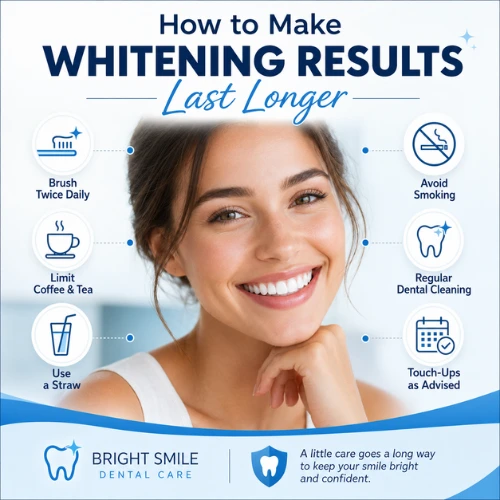
How to Make Whitening Results Last Longer

How to Make Whitening Results Last Longer

If you want your whitening to last, the treatment itself is only part of the process. Your daily habits play a major role.

Tips to Maintain a Brighter Smile

  • Brush twice daily
  • Floss regularly
  • Attend regular professional cleanings
  • Reduce smoking or tobacco use
  • Rinse after coffee, tea, or dark-coloured drinks
  • Use a straw for stain-heavy beverages when possible
  • Avoid frequent exposure to highly pigmented foods immediately after whitening
  • Ask your dentist about safe maintenance options


The first 24 to 48 hours after whitening are especially important because teeth may be more prone to re-staining during this period.

Is Whitening Safe for Everyone?

Teeth whitening is generally safe when properly planned and professionally supervised, but it is not ideal for every patient in every situation.

Whitening may not be recommended if you have:

  • Untreated cavities
  • Active gum inflammation
  • Significant tooth sensitivity
  • Exposed root surfaces
  • Cracked teeth
  • Large visible restorations that will not change colour
  • Severe internal staining that may need another cosmetic approach


This is why a dental consultation should come before whitening not after.

What About Sensitivity After Whitening?

Some patients experience temporary sensitivity after whitening, especially if they already have thinner enamel or exposed dentin. This is usually short-term and manageable.

Your dentist may recommend:

  • Desensitising toothpaste
  • A gentler whitening protocol
  • Spacing out sessions
  • Avoiding extreme hot or cold foods temporarily


The goal is not just a whiter smile, but a comfortable and healthy one.

When Whitening May Not Be the Best Option

Whitening is effective for many patients, but not all discolouration responds equally. If the staining is deep, uneven, or linked to previous dental treatment, other cosmetic options may be more appropriate.

These may include:

  • Bonding
  • Veneers
  • Replacing old discoloured fillings
  • Internal whitening for one dark tooth
  • Combination cosmetic treatment


A good dentist will not recommend whitening just because it is popular. They will recommend what suits your smile best.

Why Choose DentisTree for Teeth Whitening?

If you are considering teeth whitening in Dubai, choosing the right clinic is just as important as choosing the right whitening method. We focus on whitening treatments that are safe, customised, and designed for natural-looking results rather than an artificial “over-bleached” look.

Our team evaluates your enamel, existing restorations, stain type, and sensitivity level before recommending the most suitable option. Whether you want a quick in-clinic brightening session or a more gradual professional home-based approach, we help you choose a whitening plan that fits your smile and your expectations.

Final Thoughts

Teeth whitening can be a simple and effective way to refresh your smile, but the best results come from choosing the right treatment for your teeth, your lifestyle, and your long-term goals. A brighter smile should look natural, feel comfortable, and be supported by healthy enamel and good oral care.

Contact us on WhatsApp for quick assistance:

📍 Al Barsha Branch: +971 58 581 5201

📍 Jumeirah Branch: +971 56 608 4766

If you are thinking about whitening your teeth, the first step is a proper consultation. We help you choose safe, personalised whitening options designed for lasting, confident results. Book your consultation today.

Metal vs Ceramic Braces: Which Suits You and Your Lifestyle?

June 21st, 2026 | Blog 21st, June at 2:18 PM

Choosing between metal and ceramic braces is not just about straightening your teeth, it is also about what feels right for your lifestyle, comfort, and confidence during treatment. While both options are effective, the right choice often depends on factors like visibility, durability, daily habits, and your personal preferences.

At DentisTree Dental Clinic, we help patients understand the real differences between metal and ceramic braces so they can make a decision that fits both their smile goals and everyday routine. In this guide, we will break down how each option works and which one may suit you best.

Why the Type of Braces You Choose Matters

Orthodontic treatment is a commitment that usually lasts months or sometimes longer, depending on the complexity of the case. Since braces become part of your daily life for that period, the choice between different systems is about more than appearance alone.

The right braces can influence:

  • How confident do you feel during treatment
  • How comfortable the brackets feel in your mouth
  • How easy it is to maintain oral hygiene
  • How visible the treatment looks in social or professional settings
  • How well does the system suit your orthodontic needs

That is why the decision should never be based only on what looks “better” online. It should be based on your teeth, your treatment goals, and how you live day to day.

What Are Metal Braces?

Metal braces are the traditional and most widely recognised form of orthodontic treatment. They use stainless steel brackets attached to the teeth, connected by an archwire that gradually guides the teeth into better alignment.

Modern metal braces are smaller, more comfortable, and more refined than older versions. They remain one of the most effective and reliable options for correcting a wide range of orthodontic issues, from mild crowding to more complex bite corrections.

Key Features of Metal Braces:

  • Highly durable
  • Strong and efficient for many types of tooth movement
  • Suitable for mild to complex cases
  • Often a more cost-effective option
  • More visible than tooth-coloured alternatives

What Are Ceramic Braces?

Ceramic braces work in a very similar way to metal braces, but the brackets are made from tooth-coloured or clear ceramic materials that blend in more naturally with the teeth. This makes them a popular option for patients who want fixed braces but prefer a more discreet appearance.

They still use wires and orthodontic mechanics, but they are visually less noticeable than traditional metal braces, especially at conversational distance.

Key Features of Ceramic Braces:

  • More aesthetic and less visible
  • Fixed treatment option like metal braces
  • Often chosen by adults and older teens
  • Suitable for many mild to moderate orthodontic cases
  • May require a little more care to keep them looking clean

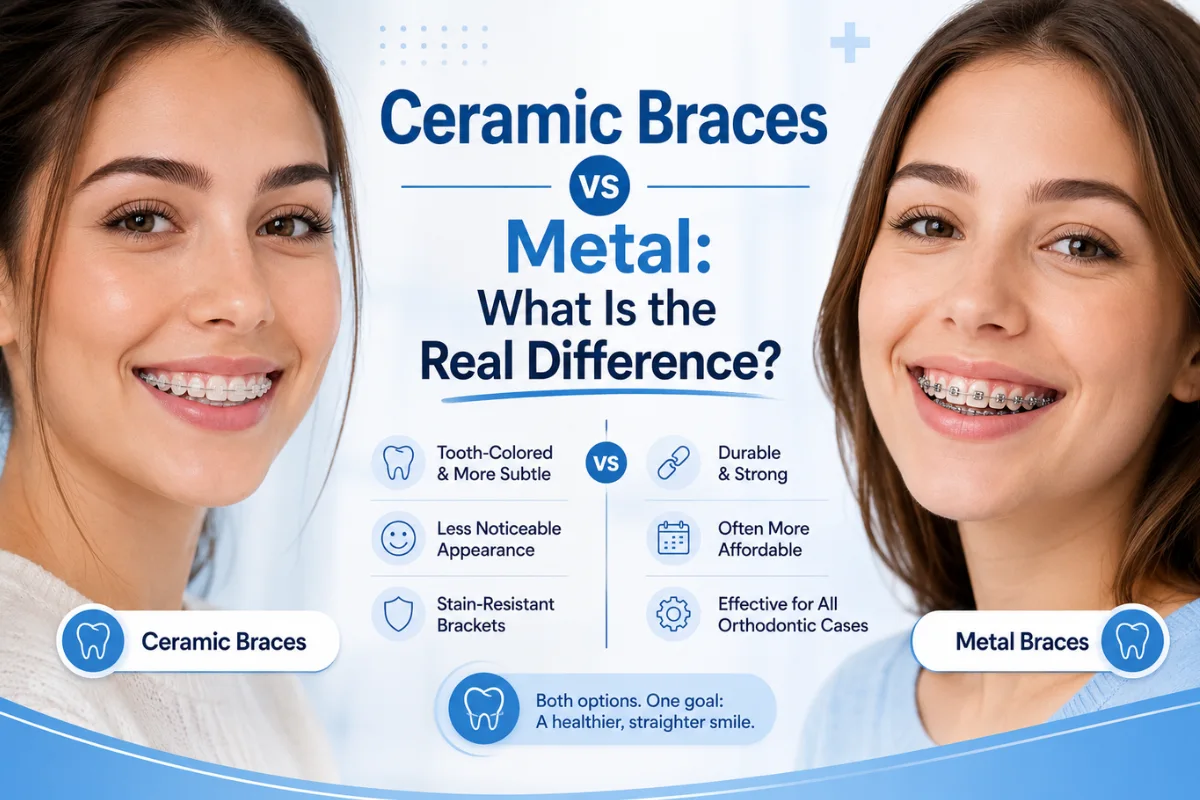
Ceramic Braces vs Metal: What Is the Real Difference?

Ceramic Braces vs Metal: What Is the Real Difference

When patients ask about ceramic braces vs metal, they are usually asking one important question: “Will both work the same, and which one will fit my life better?”

The answer depends on what matters most to you.

Appearance

This is the biggest difference. Ceramic braces are designed to blend in with natural teeth, while metal braces are clearly visible.

  • Metal braces: More noticeable
  • Ceramic braces: More discreet and aesthetically appealing

Strength and Durability

Metal braces are generally stronger and more durable because stainless steel can tolerate more force and daily wear.

  • Metal braces: Very durable
  • Ceramic braces: Effective, but brackets can be more fragile than metal in some situations

Comfort

Both systems may cause mild discomfort initially and after adjustments, but modern versions of both are generally well tolerated. Some patients feel ceramic brackets are slightly bulkier, depending on the design.

Staining and Maintenance

The ceramic brackets themselves usually resist staining, but the small elastic ties used around them may discolour over time if oral hygiene or dietary habits are not ideal.

Cost

Ceramic braces are often more expensive than metal braces because of the materials used and the aesthetic advantage they offer.

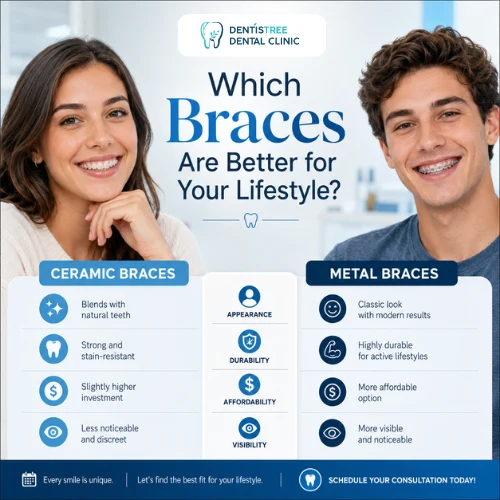
Which Braces Are Better for Your Lifestyle?

Which Braces Are Better for Your Lifestyle

The question is not simply which braces are better in a general sense. Which braces are better for you?

Let’s break it down by lifestyle.

If You Want Maximum Durability

Metal braces are often the better choice if you want something highly durable and dependable for long-term wear, especially if your case is more complex or if you are worried about bracket breakage.

If You Want a More Discreet Look

Ceramic braces are often preferred by adults, professionals, or image-conscious teens who want fixed braces without the more obvious appearance of metal brackets.

If You Have a Complex Orthodontic Case

Metal braces are often recommended in more complex cases because they are strong, efficient, and can handle a wider range of tooth movements with excellent control.

If You Want a More Budget-Friendly Option

Metal braces are usually the more economical fixed orthodontic choice while still delivering highly effective results.

If You Are Concerned About Social or Professional Visibility

Ceramic braces often feel more comfortable psychologically for patients who speak to clients, attend meetings, or simply prefer a less noticeable treatment option.

What About Treatment Effectiveness?

This is where many patients get confused. Both metal and ceramic braces can be highly effective when used appropriately. The most important factor is not just the bracket material, but the orthodontic plan, the skill of the dentist or orthodontist, and patient compliance with instructions.

For many mild to moderate cases, ceramic braces can perform very well. For more complex movements, some clinicians may prefer metal braces because of their strength and mechanics.

In other words:

  • Both can work well
  • Not every case is ideal for both
  • Your clinical needs matter more than aesthetics alone

Brace Types Comparison: What Should You Consider Before Choosing?

A smart brace types comparison should include more than just how the braces look in photos. Before deciding, ask yourself:

  • How important is appearance during treatment?
  • Am I comfortable with more visible brackets?
  • Do I want the most durable option?
  • Is my case simple, moderate, or complex?
  • What is my budget for orthodontic treatment?
  • How disciplined am I with oral hygiene?
  • Do I mind slightly higher maintenance for a more aesthetic result?

These practical questions often make the decision clearer than simply asking which option is “best.”

Oral Hygiene Matters With Both Types

Oral Hygiene Matters With Both Types

No matter which braces you choose, cleaning becomes more important during orthodontic treatment. Brackets and wires can trap food and plaque more easily, which increases the risk of:

  • Plaque buildup
  • White spot lesions
  • Gum inflammation
  • Bad breath
  • Staining around brackets

Patients with ceramic braces should be especially mindful if they want to keep the overall appearance clean and bright throughout treatment.

Helpful tips include:

  • Brushing after meals when possible
  • Using interdental brushes
  • Flossing with orthodontic aids
  • Keeping regular hygiene appointments
  • Avoiding stain-heavy foods if aesthetics are a concern

Who Usually Chooses Metal Braces?

Metal braces are often a great choice for:

  • Children and younger teens
  • Patients with more complex orthodontic issues
  • Patients who prioritise durability
  • Those looking for a more budget-friendly fixed solution
  • Patients who want proven efficiency over aesthetics

Who Usually Chooses Ceramic Braces?

Ceramic braces are often a great choice for:

  • Adults who want a discreet fixed option
  • Older teens who are appearance-conscious
  • Professionals who prefer less visible treatment
  • Patients with mild to moderate alignment issues
  • Those willing to maintain excellent oral hygiene

Why a Consultation Matters More Than Online Comparisons

Many patients spend time comparing braces online, but online articles cannot assess their bite, crowding, jaw relationship, enamel condition, or treatment goals.

A proper orthodontic consultation helps answer:

  • Is your case suitable for both options?
  • Which option is more predictable for your bite?
  • Will ceramic braces meet your goals without compromise?
  • Is metal the better choice for strength and efficiency?
  • Are clear aligners another option worth considering?

The right decision should always come after a clinical assessment, not just internet research.

Why Choose DentisTree for Braces in Dubai?

If you are comparing metal vs ceramic braces in dubai, the most important step is choosing a clinic that helps you make a personalized decision rather than a generic one. We believe orthodontic treatment should match both your dental needs and your lifestyle, not just your aesthetic preferences.

Our team takes the time to evaluate your alignment, bite, treatment complexity, and personal priorities before recommending the most suitable option. Whether you are looking for durability, discretion, or a balance of both, we guide you toward a treatment plan that feels practical, comfortable, and tailored to your smile.

Final Thoughts

Both metal and ceramic braces can deliver excellent results when chosen for the right case. The best option depends on your orthodontic needs, your lifestyle, and how important visibility, durability, and maintenance are to you during treatment.

Contact us on WhatsApp for quick assistance:

📍 Al Barsha Branch: +971 58 581 5201

📍 Jumeirah Branch: +971 56 608 4766

If you are unsure which braces are right for your smile, a consultation can help you make the right choice with confidence. We help patients find orthodontic solutions that fit both their teeth and their daily lives. Book your consultation today.

Risks of Ignoring Dental Problems: Long-Term Health Impact

May 20th, 2026 | Blog 20th, May at 8:13 AM

A small toothache, occasional bleeding gums, or mild sensitivity may seem easy to ignore, especially when the discomfort comes and goes. But in dentistry, minor symptoms are often early warning signs of problems that can quietly worsen over time. At Dentistree Dental clinic, we often see patients delay treatment until pain becomes severe or damage becomes more complex, when earlier care could have made treatment simpler and far more comfortable.

It is about protecting your natural teeth, preserving gum health, and preventing avoidable complications. Many dental issues begin silently and progress gradually, which is why regular dental check-ups and early attention matter. If you are unsure whether a dental concern can wait, this guide will help you understand why ignoring dental problem symptoms can lead to bigger problems than expected.

Why Dental Problems Rarely Stay “Small”

One of the most common assumptions patients make is that if a dental issue is not causing severe pain, it is probably not urgent. Unfortunately, that is not always true. Many dental conditions progress quietly in the early stages.

For example:

  • A small cavity can deepen into a painful infection
  • Mild gum inflammation can develop into gum disease
  • A cracked tooth can worsen under chewing pressure
  • Occasional sensitivity can point to enamel loss, decay, or nerve irritation
  • Minor bleeding while brushing can be an early sign of gum damage

The mouth is a connected system. When one problem is left untreated, it often affects nearby teeth, surrounding gums, and even the supporting bone over time.

Tooth Decay Does Not Stop on Its Own

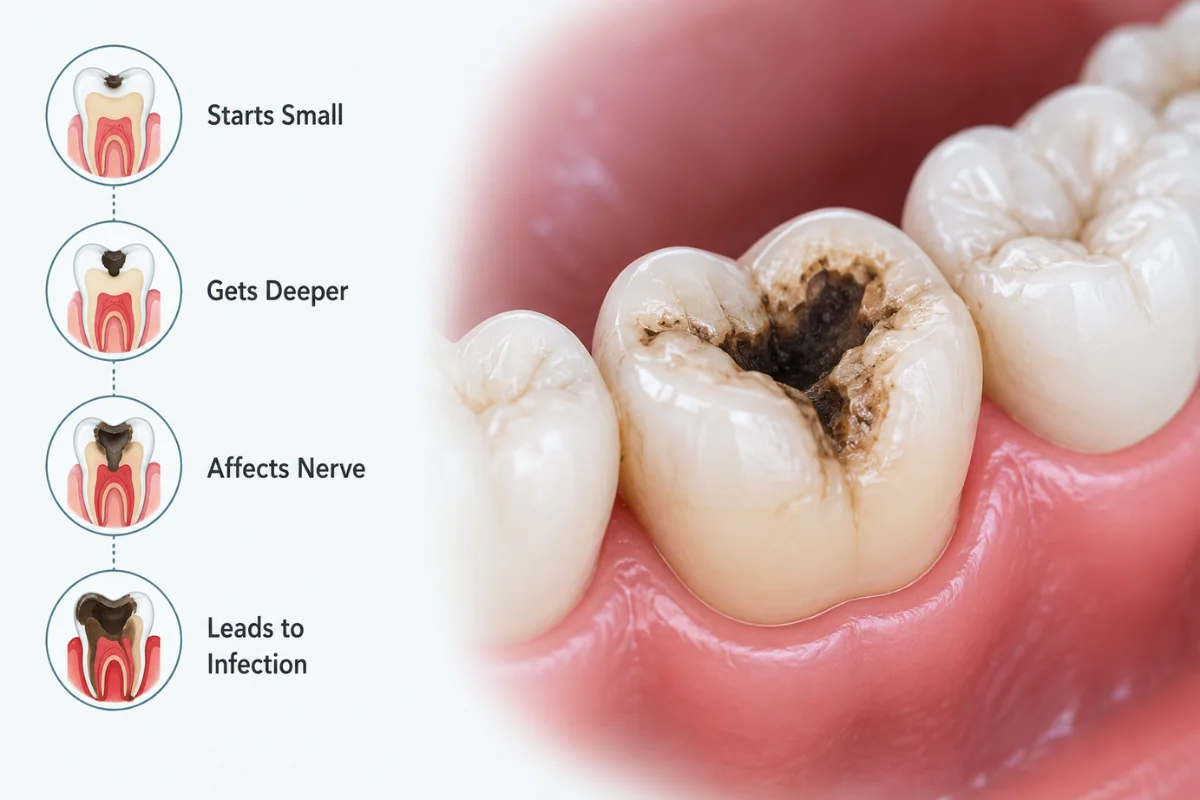
tooth decay process continues unless it is treated

A cavity does not heal by itself. Once enamel is damaged and bacteria enter the tooth structure, the decay process continues unless it is treated.

Early Stage: Small Enamel Decay

At first, decay may only affect the outer enamel layer. At this stage, many patients feel no pain at all. Because there are no obvious symptoms, the problem is often missed unless it is detected during a routine dental examination.

Middle Stage: Deeper Dentin Involvement

As decay moves deeper into the dentin, the tooth may become sensitive to cold, sweets, or pressure. This is often the stage when patients start noticing something is wrong, but may still delay treatment.

Advanced Stage: Nerve Infection

Once decay reaches the pulp, the inner nerve tissue becomes inflamed or infected. This can cause severe pain, swelling, abscess formation, and the need for root canal treatment or even extraction if the tooth cannot be saved.

This is one of the clearest examples of untreated dental issues becoming far more serious when early care is delayed.

Gum Disease Can Lead to Tooth Loss

Bleeding gums are often ignored because many people assume they are brushing too hard. In reality, healthy gums should not bleed regularly. Persistent bleeding can be a sign of gingivitis or early gum disease.

Gingivitis

This early stage causes:

  • Redness
  • Swelling
  • Bleeding while brushing or flossing
  • Bad breath

At this point, gum disease is often reversible with professional cleaning and improved home care.

Periodontitis

If ignored, gingivitis can progress into periodontitis. This is a more serious form of gum disease where infection begins affecting the tissues and bone that support the teeth.

This can lead to:

  • Gum recession
  • Deep gum pockets
  • Loose teeth
  • Bone loss
  • Changes in bite
  • Eventual tooth loss

Gum disease is one of the most common causes of adult tooth loss, and it often progresses slowly enough that patients underestimate it until significant damage has already occurred.

Ignoring Tooth Pain Can Make Treatment More Complex

Pain is your body’s way of signalling that something needs attention. A toothache may be caused by decay, infection, a cracked tooth, grinding, gum inflammation, or even a failing old filling. Regardless of the cause, it should never be ignored.

The consequences of ignoring tooth pain can include:

  • Worsening infection
  • Spread of bacteria deeper into the tooth
  • Swelling of the surrounding tissues
  • Difficulty eating or sleeping
  • Need for more extensive treatment
  • Risk of abscess formation
  • Higher chance of losing the tooth

What could have been treated with a simple filling may later require a root canal, crown, or extraction. In some cases, an untreated infection can spread beyond the tooth and affect surrounding facial tissues.

Cracked Teeth Can Worsen With Everyday Chewing

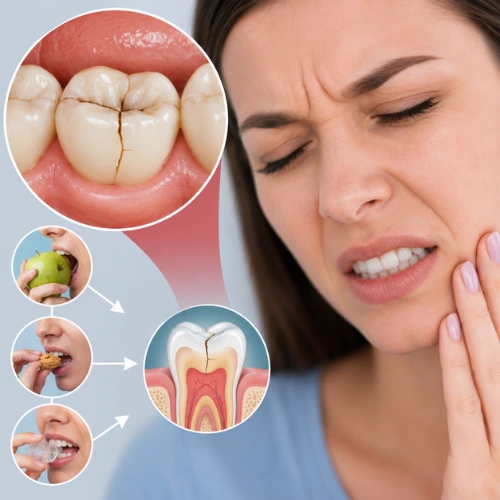
Cracked Teeth Can Worsen With Everyday ChewingA small crack in a tooth may start with only occasional discomfort. Some patients notice pain only when biting down on hard food or releasing pressure after chewing. Because the symptoms are inconsistent, they may ignore them

But cracks tend to worsen over time, especially with repeated biting forces. What begins as a minor crack may eventually:

  • Extend deeper into the tooth
  • Reach the nerve
  • Causes inflammation or infection
  • Lead to structural weakening
  • Require root canal treatment
  • Make the tooth unrestorable in severe cases

Early diagnosis is important because some cracked teeth can be protected with a crown before the damage becomes more severe.

Missing Teeth Affect More Than Appearance

Some patients lose a tooth and assume they can simply “manage without it,” especially if it is not in a highly visible area. But missing teeth affect far more than just appearance.

When a tooth is missing:

  • Adjacent teeth may drift into the space
  • Opposing teeth may over-erupt
  • Bite alignment can change
  • Chewing efficiency decreases
  • Jaw stress may increase
  • Food trapping may worsen
  • Bone in the area may shrink over time

This can eventually affect speech, chewing comfort, facial support, and even the long-term health of surrounding teeth. Replacing missing teeth at the right time is often important for preserving overall function.

Dental Problems Can Affect General Health Too

Oral health and general health are closely linked. While not every dental problem directly causes systemic disease, chronic oral infection and inflammation can place added stress on the body.

For example, advanced gum disease has been associated with increased inflammation and may complicate the management of certain health conditions in some patients. Oral infections can also affect:

  • Nutrition, due to difficulty chewing
  • Sleep, due to pain or discomfort
  • Daily function and concentration
  • Confidence in speaking and smiling
  • Quality of life overall

This is why long-term dental problems and health concerns should not be viewed as “just a tooth issue.” Dental health plays a real role in comfort, confidence, and daily well-being.

Why Delayed Treatment Usually Costs More

One of the most practical reasons not to ignore dental problems is simple: early treatment is usually easier and more affordable.

For example:

  • A small cavity may need a filling
  • A deeper cavity may need a root canal and crown
  • Early gum inflammation may need a cleaning
  • Advanced gum disease may need periodontal treatment
  • A small crack may need protection
  • A severe crack may need extraction and replacement

When patients wait, the treatment often becomes:

  • More complex
  • More expensive
  • More time-consuming
  • More invasive
  • More stressful

Preventive care and early diagnosis are almost always the more cost-effective path in the long run.

Warning Signs You Should Never Ignore

Warning Signs of teeth You Should Never Ignore

If you notice any of the following, it is best to schedule a dental visit rather than wait:

  • Toothache or pressure pain
  • Sensitivity that keeps returning
  • Bleeding gums
  • Bad breath that does not improve
  • Loose teeth
  • Gum swelling
  • A chipped or cracked tooth
  • Pain when chewing
  • Pus or swelling near a tooth
  • A darkening tooth
  • A lost filling or crown

Even if the pain comes and goes, that does not mean the problem is resolving. In dentistry, symptoms often fluctuate while the underlying issue continues to progress.

Why Preventive Dentistry Matters

Preventive dentistry is not just about keeping your teeth clean. It is about finding problems before they become disruptive.

Regular dental visits help detect:

  • Early cavities
  • Gum inflammation
  • Worn fillings
  • Cracks
  • Bite issues
  • Signs of grinding
  • Early bone changes
  • Hidden decay between teeth

The earlier a problem is found, the more options there usually are to treat it conservatively and preserve the natural tooth.

Why Choose DentisTree for Early Dental Care?

We believe patients should never have to wait until pain becomes severe before seeking help. Our approach focuses on early diagnosis, clear communication, and treatment plans designed to protect your natural teeth wherever possible.

Whether you are dealing with sensitivity, bleeding gums, a broken tooth, or an unexplained toothache, our team helps you understand what is happening and what to do next. We aim to make dental care feel proactive, practical, and comfortable so small concerns stay small.

Final Thoughts

Ignoring a dental problem may feel easier in the short term, but it often leads to bigger, more complex issues later. Early treatment can help prevent pain, protect your teeth and gums, and reduce the need for more extensive dental procedures.

Contact us on WhatsApp for quick assistance:

📍 Al Barsha Branch: +971 58 581 5201

📍 Jumeirah Branch: +971 56 608 4766

If you have noticed tooth pain, bleeding gums, sensitivity, or any change in your oral health, do not wait for it to get worse. We are here to help you address problems early and protect your long-term dental health. Book your consultation today.

Tips to Maintain Healthy Gums and Prevent Gingivitis

May 15th, 2026 | Blog 15th, May at 8:38 AM

Healthy gums are the foundation of a healthy smile. While most people focus on keeping their teeth white and cavity-free, the condition of the gums plays an equally important role in long-term oral health. At Dentistree Dental clinic, we often remind patients that gum problems can begin quietly, with mild bleeding or swelling that is easy to overlook. Learning how to prevent gingivitis early can help protect your teeth, gums, and overall oral comfort.

Healthy gums do not happen by chance; they are built through daily habits, regular professional care, and early attention to warning signs. If you want to keep your smile strong and avoid future gum problems, this guide will help you understand the most effective ways to care for your gums every day.

Why Gum Health Matters More Than Most People Realise

Your gums do much more than frame your smile. They support and protect the tissues around your teeth, create a seal against bacteria, and help keep your teeth stable in the jaw. When the gums are healthy, they sit firmly around the teeth, appear pink and firm, and do not bleed during brushing or flossing.

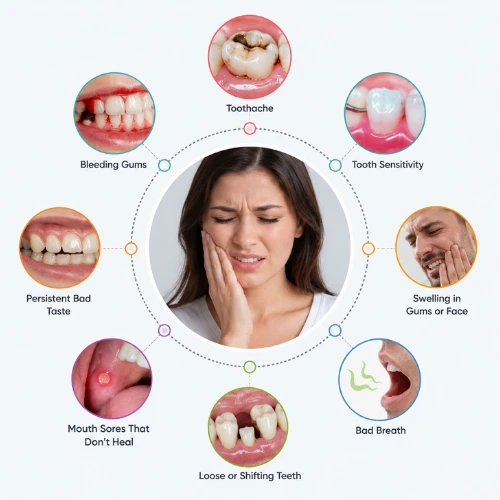
When gum health starts to decline, the early signs are often subtle. You may notice:

  • Mild bleeding while brushing
  • Slight swelling near the gum line
  • Redness
  • Tenderness
  • Bad breath
  • A feeling that the gums look “puffy”

These early symptoms may seem minor, but they often signal gingivitis, the earliest stage of gum disease. The good news is that gingivitis is usually reversible when addressed early.

What Is Gingivitis?

Gingivitis is a mild but important form of gum inflammation caused by plaque buildup along the gum line. Plaque is a sticky layer of bacteria that forms on the teeth throughout the day. If it is not removed effectively, it can irritate the gums and trigger inflammation.

Unlike more advanced gum disease, gingivitis usually does not involve permanent damage to the bone or deeper tissues at this stage. That is why early care matters so much. With the right oral hygiene routine and regular professional cleanings, many patients can reverse gingivitis before it progresses.

What Causes Gingivitis?

The most common cause of gingivitis is poor plaque control. But several everyday habits and health factors can increase the risk.

These include:

  • Inconsistent brushing
  • Not flossing regularly
  • Tartar buildup near the gums
  • Smoking or tobacco use
  • Mouth breathing
  • Dry mouth
  • Poorly fitting dental restorations
  • Hormonal changes
  • Diabetes
  • Stress
  • Certain medications that affect gum health

Even patients who brush every day can develop gingivitis if plaque is not removed properly from the gum line or between the teeth.

The Best Daily Habits for Healthy Gums

Best Daily Habits for Healthy Gums

If you are looking for practical healthy gums tips, the best place to start is with your daily routine. Small habits done consistently are what make the biggest difference over time.

1. Brush Gently but Thoroughly Twice a Day

Brushing twice daily is essential, but technique matters just as much as frequency. Many patients brush the front surfaces well but miss the gum line, where plaque tends to collect.

Use a soft-bristled toothbrush and angle it slightly toward the gums. Gentle circular motions are usually better than aggressive scrubbing. Brushing too hard can irritate the gums and even contribute to recession over time.

2. Floss Every Day

Brushing alone cannot clean the tight spaces between teeth. This is where plaque often stays hidden and where gingivitis commonly begins.

Flossing once a day helps remove debris and plaque from areas your toothbrush cannot reach. If traditional floss feels difficult, floss picks or interdental brushes may be easier alternatives depending on the spacing of your teeth.

3. Do Not Ignore Bleeding Gums

One of the biggest mistakes patients make is stopping flossing because the gums bleed. In most cases, bleeding is not a sign to stop it is a sign that the gums are inflamed and need better cleaning.

If the bleeding continues despite regular cleaning, it is important to see your dentist for an evaluation.

4. Use the Right Toothbrush and Replace It Regularly

A soft-bristled brush is usually best for protecting both enamel and gums. Worn bristles are less effective and can become harsh on the gum line, so toothbrushes should be replaced every 3 months or sooner if the bristles spread out.

How Diet Affects Gum Health

Many patients do not realise that diet also plays a role in gum health. A diet high in sugary snacks, sticky foods, and frequent snacking can increase plaque formation and bacterial activity in the mouth.

To support healthier gums:

  • Reduce frequent sugar exposure
  • Drink more water
  • Limit sticky processed snacks
  • Include crunchy fruits and vegetables
  • Support overall nutrition with a balanced diet
  • Avoid smoking and tobacco

Hydration is also important. A dry mouth can reduce the protective role of saliva, which normally helps wash away food particles and balance oral bacteria.

Professional Cleanings Are Essential

Even with excellent brushing and flossing, plaque can harden into tartar over time. Once tartar forms, it cannot be removed at home. It must be professionally cleaned by a dentist or hygienist.

Routine dental cleanings help by:

  • Removing plaque and tartar near the gum line
  • Reducing bacterial buildup
  • Allowing early detection of gum inflammation
  • Improving breath freshness
  • Supporting better gum healing

This is one of the most important answers to the question of how to maintain healthy gums over the long term. Home care is essential, but professional maintenance completes the picture.

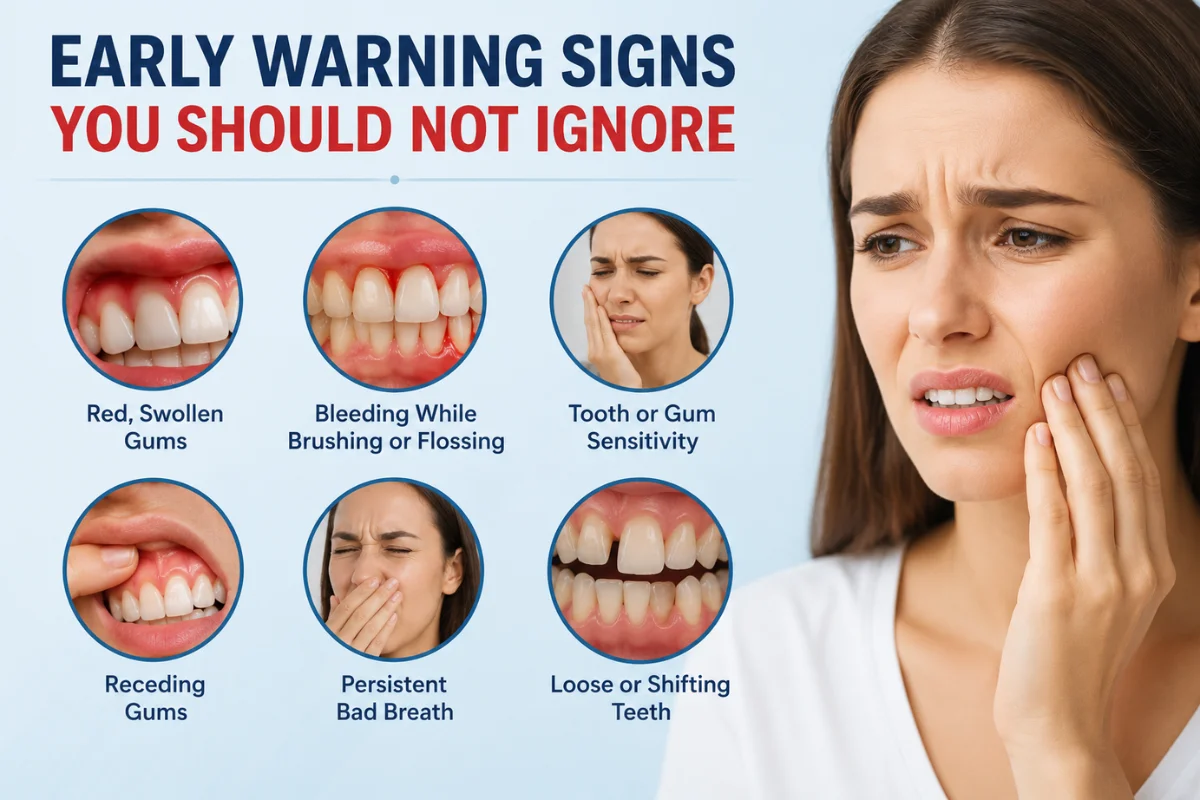
Early Warning Signs You Should Not Ignore

Early Warning Signs of Gingivitis You Should Not Ignore

Gingivitis often starts with symptoms that patients assume are minor. But these early signs should not be dismissed.

Watch for:

  • Bleeding while brushing or flossing
  • Red or swollen gums
  • Persistent bad breath
  • Tender gums
  • Gums that look puffy
  • Sensitivity near the gum line
  • Plaque or tartar buildup that you can see near the gums

If you notice any of these, it is better to schedule a dental check-up sooner rather than later. Early care is simpler, more comfortable, and usually easier to manage.

What Happens If Gingivitis Is Ignored?

If gingivitis is not treated, it can progress into periodontitis, which is a more serious form of gum disease. At this stage, the infection begins affecting the deeper tissues and bone that support the teeth.

This can lead to:

  • Gum recession
  • Deeper gum pockets
  • Chronic inflammation
  • Bone loss
  • Loose teeth
  • Bite changes
  • Increased risk of tooth loss

This is why gingivitis prevention tips matter so much. The earlier you act, the easier it is to protect your gums before long-term damage begins.

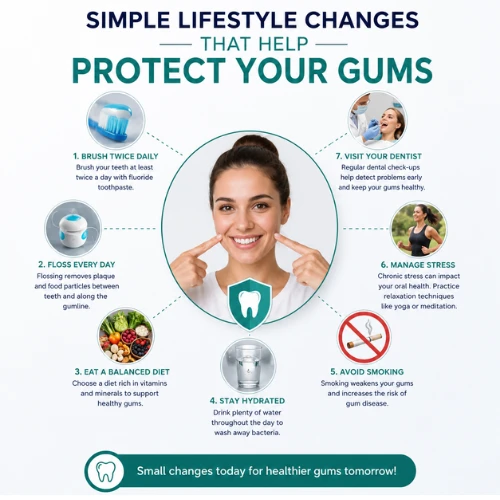
Simple Lifestyle Changes That Help Protect Your Gums

Simple Lifestyle Changes That Help Protect Your Gums

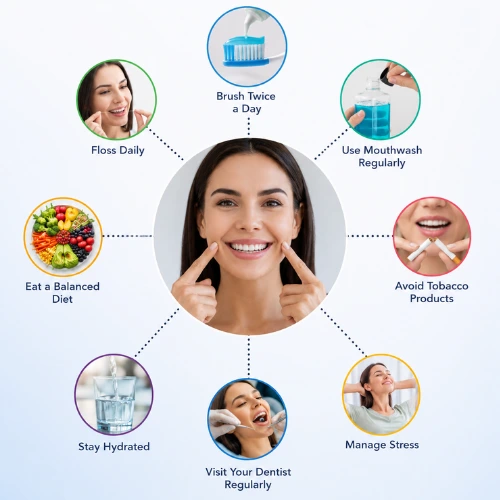
Beyond brushing and flossing, a few practical changes can make a noticeable difference:

Stay Consistent With Dental Visits

Do not wait for pain to schedule an appointment. Gum disease often progresses without obvious pain in the early stages.

Stop Smoking

Smoking is one of the biggest risk factors for gum disease. It affects healing, reduces blood flow to the gums, and can mask early signs of inflammation.

Manage Teeth Grinding

Grinding can place extra stress on the teeth and supporting tissues. If you clench or grind, a night guard may help protect your oral structures.

Address Crowded Teeth or Poorly Fitting Dental Work

Crowded areas and rough restoration margins can trap plaque more easily. In some cases, correcting these issues can improve gum health significantly.

When to Seek Professional Help

If your gums bleed regularly, feel swollen, or you notice bad breath that does not improve with brushing, it is time for a dental evaluation. Gum inflammation is easier to treat when caught early.

If gingivitis has already progressed or there are signs of deeper gum disease, professional treatment may include:

  • Deep cleaning
  • Scaling and root planing
  • More frequent hygiene visits
  • Monitoring gum pocket depth
  • Personalised home care recommendations

For patients looking for gum disease treatment in Dubai, choosing a clinic that focuses on both early diagnosis and long-term gum health is important.

Why Choose DentisTree for Gum Health Care?

We believe healthy gums are the starting point for a healthy smile. Our approach is focused on prevention, early detection, and patient education so you understand what your gums need before small issues become bigger problems.

Whether you have occasional bleeding gums, plaque buildup, or early signs of inflammation, our team provides gentle, practical care designed to protect your oral health over time. We help patients build routines that are realistic, effective, and tailored to their needs.

Final Thoughts

Healthy gums do not require complicated routines, but they do require consistency. Daily brushing, flossing, regular cleanings, and early attention to warning signs can go a long way in preventing gingivitis and protecting your smile.

Contact us on WhatsApp for quick assistance:

📍 Al Barsha Branch: +971 58 581 5201

📍 Jumeirah Branch: +971 56 608 4766

If you have noticed bleeding gums, swelling, or persistent bad breath, do not ignore it. We help patients protect their gum health with preventive care and timely treatment. Book your consultation today.

Role of Laser Therapy in Root Canal Treatment

May 14th, 2026 | Blog 14th, May at 7:30 AM

When most patients hear the words “root canal,” they often think of discomfort, long appointments, and a stressful dental experience. But modern dentistry has changed that perception significantly. We believe root canal care should be more precise, comfortable, and reassuring for patients. With advancements in technology, laser root canal treatment is becoming a valuable part of modern endodontic care, helping improve cleaning accuracy and treatment efficiency.

 At Dentistree Dental clinic, we focus on treatment methods that are designed around patient comfort and long-term success. Laser-assisted dental techniques are one of the ways dentistry continues to evolve, especially in procedures where deep cleaning and disinfection matter most.

What Is Root Canal Treatment?

A root canal is a dental procedure used to save a tooth when the pulp inside becomes infected, inflamed, or severely damaged. The pulp is the soft tissue inside the tooth that contains nerves and blood vessels. When decay, cracks, trauma, or deep infection reach this area, the tooth can become painful, sensitive, or swollen.

During a root canal, the infected tissue is removed, the inside of the tooth is cleaned and disinfected, and the canals are shaped before being sealed. This helps eliminate infection while preserving the natural tooth. In many cases, saving the natural tooth is better than extraction because it maintains function, bite balance, and overall oral stability.

Why Traditional Root Canal Cleaning Can Be Challenging

Root canal systems are not always straight or simple. Many teeth have tiny accessory canals, curves, branches, and hard-to-reach internal spaces. Even with excellent traditional instruments and irrigation methods, some microscopic areas can be difficult to clean completely.

This is where technology plays an important role. The goal of modern endodontics is not just to remove infected tissue but to improve disinfection in areas that may be difficult to access mechanically. Laser technology is increasingly being used to support this step, especially in complex or highly infected cases.

What Is Laser Therapy in Root Canal Treatment?

Laser therapy in root canal treatment involves using a focused beam of light energy inside the root canal system to enhance cleaning and disinfection. It does not replace the full root canal procedure, but it can be used as an advanced adjunct to improve the effectiveness of the treatment.

In simple terms, once the canals are accessed and shaped, laser energy may be applied to help reduce bacterial load, improve decontamination, and reach microscopic spaces beyond where traditional files can easily reach. This added level of precision can support a cleaner internal environment before the tooth is sealed.

That is why many patients and dentists are becoming more interested in laser therapy root canal techniques as part of a more advanced approach to endodontic care.

How Laser Technology Supports the Root Canal Process

Laser use in root canal therapy is typically part of a multi-step treatment plan, not a standalone alternative. The process usually still includes:

  • Clinical examination and X-rays
  • Local anaesthesia for comfort
  • Accessing the tooth
  • Removing infected pulp tissue
  • Cleaning and shaping the canals
  • Disinfection of the canal space
  • Sealing the canals
  • Restoring the tooth, often with a crown if needed

The laser is usually introduced during the cleaning and disinfection phase. Its purpose is to support deeper bacterial reduction and enhance debridement in areas where conventional tools may be limited.

This is why the term laser-assisted root canal is important; it highlights that the laser is part of an integrated treatment approach, not a replacement for proper endodontic technique.

How Does Laser Therapy Work Inside the Tooth?

How Does Laser Therapy Work Inside the Tooth while root canal

Laser systems used in endodontics are designed to deliver controlled energy into the root canal space. That energy can help in a few important ways:

1. Improved Disinfection

One of the most important goals of root canal therapy is to reduce bacterial contamination inside the canal system. Laser energy can help target bacteria more effectively in microscopic spaces, supporting the overall disinfection process.

2. Better Reach in Complex Anatomy

Some root canals have tiny branches or irregularities that are difficult to clean with instruments alone. Laser technology may help improve cleaning in areas that are not easily accessed mechanically.

3. Reduced Debris and Smear Layer

During canal preparation, a thin layer of debris called the smear layer can form on canal walls. In some cases, laser use may help improve the removal of this layer, which can support better sealing of the canal afterward.

4. Enhanced Precision

Because laser energy can be highly targeted, it supports a more controlled approach in selected stages of treatment. This can be especially valuable when managing teeth with deeper bacterial contamination.

Benefits of Laser Therapy in Root Canal Treatment

Patients often ask whether advanced technology actually changes the treatment experience. In many cases, the answer is yes when used correctly and for the right indication.

Some of the key benefits of laser root canal approaches may include:

  • Improved bacterial reduction inside the canal system
  • Better cleaning of complex root canal anatomy
  • More precise disinfection in difficult-to-reach areas
  • Support for long-term treatment success
  • A more modern, technology-driven treatment experience
  • Potential improvement in post-treatment comfort in selected cases

It is important to understand that the outcome still depends on proper diagnosis, correct technique, and the skill of the treating dentist or endodontist. The laser enhances the process, but it works best as part of a complete, carefully planned treatment.

Is Laser Root Canal Less Painful?

This is one of the most common questions patients ask. The short answer is: root canal treatment itself should already be comfortable when done properly with modern anaesthesia and technique. Laser technology does not necessarily mean “pain-free” in a dramatic marketing sense, but it may contribute to a more refined and efficient cleaning process.

For many patients, the real comfort advantage comes from:

  • Better precision during treatment
  • Improved disinfection
  • Reduced anxiety knowing advanced technology is being used
  • Confidence that the tooth is being treated thoroughly

In other words, laser therapy is not just about comfort during the appointment. It is also about improving the quality and predictability of the treatment overall.

Who May Benefit Most From Laser-Assisted Root Canal Care?

Benefit Most From Laser-Assisted Root Canal Care

Not every root canal requires the same approach. However, laser-assisted support may be especially helpful in cases such as:

  • Teeth with deep infection
  • Complex root canal anatomy
  • Retreatment cases
  • Persistent bacterial contamination
  • Patients who want a more advanced treatment option
  • Cases where enhanced disinfection is especially important

A detailed consultation and radiographic assessment help determine whether laser support is appropriate for your specific tooth.

Is Laser Therapy a Replacement for Traditional Root Canal Treatment?

No. This is a very important point.

Laser therapy is not a replacement for root canal treatment. It is an advanced support tool used alongside traditional root canal procedures. The tooth still needs proper diagnosis, access, cleaning, shaping, disinfection, sealing, and restoration.

Think of it this way: the laser is not a shortcut. It is an enhancement. It adds another layer of precision to a procedure that already depends on careful planning and skilled execution.

Patients should be cautious of oversimplified claims that suggest lasers alone “do the root canal.” The best outcomes come from combining modern technology with sound endodontic principles.

Why Advanced Root Canal Care Matters

A successful root canal is about more than relieving pain in the moment. It is about removing infection thoroughly, preserving the tooth, and reducing the chance of future complications.

When a tooth is treated properly, it can often function well for many years. But when cleaning is incomplete or infection persists, the tooth may remain symptomatic or require retreatment later. This is why advanced tools that improve cleaning and disinfection can be valuable—especially in complex cases.

Modern patients are also more informed than ever. They want treatment that is not just effective, but also precise, comfortable, and supported by technology that improves outcomes. Laser-assisted care fits well into that expectation when used appropriately.

Why Choose DentisTree for Advanced Root Canal Care?

If you are looking for laser root canal treatment in Dubai, choosing the right clinic matters just as much as choosing the technology. We believe modern dental care should combine clinical precision with patient comfort. Root canal treatment should never feel intimidating when it is explained clearly and performed with a thoughtful, technology-driven approach.

Our team focuses on accurate diagnosis, gentle care, and treatment planning tailored to each tooth and each patient. Whether you are dealing with tooth pain, deep decay, or an infected tooth that needs urgent attention, we help you understand your options and guide you toward the most suitable treatment path with clarity and confidence.

Final Thoughts

Laser therapy has added a valuable layer of precision to modern root canal treatment. While it does not replace the procedure itself, it can support deeper cleaning, better disinfection, and a more advanced approach in selected cases.

Contact us on WhatsApp for quick assistance:

📍 Al Barsha Branch: +971 58 581 5201

📍 Jumeirah Branch: +971 56 608 4766

If you have been told you need a root canal or are dealing with tooth pain, do not delay treatment. We provide advanced, patient-focused care designed to save your natural tooth and restore comfort. Book your consultation today.

Invisalign Treatment: Who Should Try Clear Aligners First?

April 27th, 2026 | Blog 27th, April at 8:09 AM

A straighter smile is about more than just looks. It also affects comfort, confidence, bite balance, and long-term oral health. Many adults and teenagers want to straighten their teeth but prefer a more discreet option than traditional braces. For the right patient, Invisalign treatment offers a modern, flexible way to improve alignment without metal brackets or wires.

Whether you are considering clear aligners for yourself or your teenager, understanding if they are the right fit is the first step. This guide will help you explore who benefits most from Invisalign and what to know before starting.

What Is Invisalign?

Invisalign is a clear aligner system designed to gradually move teeth into better alignment using a series of custom-made, transparent trays. These trays are removable, smooth, and designed to fit snugly over the teeth. Unlike traditional braces, there are no brackets or wires attached to the teeth.

Each set of aligners is worn for a specific period, usually one to two weeks, before moving on to the next stage. Over time, the teeth shift in a planned and controlled way. Because the trays are removable, patients can eat normally, brush more easily, and maintain a more discreet appearance during treatment.

Why Clear Aligners Have Become So Popular

Clear aligners have become especially popular among working professionals, adults, and image-conscious teens because they offer a more lifestyle-friendly orthodontic option. Patients often choose them because:

  • They are nearly invisible when worn
  • They can be removed for meals and important occasions
  • They make brushing and flossing easier than fixed braces
  • They are generally more comfortable on the cheeks and lips
  • They allow for a more modern, flexible treatment experience

That said, not every patient is automatically the best candidate. The most important question is not whether aligners are popular. It is who should get Invisalign based on actual dental needs and commitment level.

Who Is a Good Candidate for Invisalign?

Good Candidate for Invisalign getting treatment

Invisalign works best when the case is carefully selected and properly planned. Many patients are suitable candidates, but the ideal patient usually falls into one or more of the following groups.

1. Adults Who Want a Discreet Orthodontic Option

This is one of the most common groups. Many adults delayed orthodontic treatment in childhood or had braces before, and noticed their teeth shifting again later. They often want correction without the visibility of metal braces.

Invisalign can be an excellent choice for adults who want to improve alignment while maintaining a professional appearance at work, social events, or public-facing roles.

2. Teenagers Who Can Be Responsible With Removable Trays

Teenagers can also be great candidates, but success depends on compliance. Since the aligners are removable, they must be worn consistently for the recommended number of hours per day. A teen who keeps removing trays or forgets to wear them may not get the expected results.

For responsible teenagers who are motivated and understand the process, clear aligners can be a very comfortable and confidence-friendly option.

3. Patients With Mild to Moderate Crowding or Spacing

Invisalign is often highly effective for cases involving:

  • Mild to moderate crowding
  • Gaps between teeth
  • Minor bite irregularities
  • Relapse after previous braces
  • Slight rotations or overlapping teeth

These are common concerns that many adults and teens want corrected without undergoing a more noticeable orthodontic treatment.

4. Patients With Good Oral Hygiene Habits

Because the aligners are removable, oral hygiene is often easier than with braces. However, that does not mean discipline is optional. Patients need to remove aligners before eating, clean them properly, and brush before putting them back in.

Patients who already have good dental habits tend to do especially well with Invisalign because they are more likely to follow the treatment routine consistently.

When Invisalign May Not Be the First Choice

Although Invisalign is an excellent option for many patients, there are situations where traditional braces may still be recommended.

These may include:

  • Severe crowding
  • Significant bite correction needs
  • Complex jaw relationship issues
  • Teeth that need major vertical movement
  • Patients unlikely to wear aligners consistently
  • Younger children who are not ready for removable orthodontic appliances

In these situations, your dentist or orthodontic provider may suggest braces or a hybrid approach depending on what is most predictable and efficient.

This is why treatment should never be chosen based on trend alone. It should be based on what gives the safest and most reliable result for your smile.

Clear Aligners vs Traditional Braces

clear aligners vs braces

One of the most common questions patients ask is about clear aligners vs braces. Both can straighten teeth effectively, but the best choice depends on the complexity of the case, lifestyle preferences, and patient compliance.

Invisalign May Be Better If You Want:

  • A discreet look during treatment
  • The ability to remove aligners while eating
  • Easier brushing and flossing
  • Less irritation from wires and brackets
  • A more flexible day-to-day experience

Braces May Be Better If You Need:

  • Correction for more complex tooth movement
  • More predictable control in severe cases
  • A non-removable option that does not rely on compliance
  • Treatment for younger patients who may struggle with discipline

In short, aligners offer convenience and aesthetics, while braces may offer stronger control in certain complex orthodontic cases. A proper consultation helps determine which one fits your needs best.

What Commitment Does Invisalign Require?

One of the biggest misconceptions is that Invisalign is “easier” simply because it is removable. In reality, it requires commitment.

To work effectively, aligners usually need to be worn for around 20 to 22 hours a day. That means removing them only for:

  • Eating
  • Drinking anything other than water
  • Brushing and flossing
  • Cleaning the trays

Patients who frequently forget to wear them or leave them out for long periods may experience delayed progress or compromised results.

So while the trays are convenient, the treatment still depends heavily on consistency. In many cases, the best Invisalign candidate is not just someone with the right teeth. It is someone with the right routine.

Benefits Beyond Cosmetic Improvement

Many patients initially seek orthodontic treatment because they want straighter teeth, but alignment can also support long-term oral health.

Properly aligned teeth may help:

  • Make brushing and flossing easier
  • Reduce plaque traps between crowded teeth
  • Improve bite balance
  • Reduce uneven wear on enamel
  • Lower the risk of gum inflammation in hard-to-clean areas
  • Improve chewing comfort in some cases

This is why orthodontic treatment should not be viewed as purely cosmetic. It can be part of a preventive dental strategy, especially when crowding or bite issues are contributing to hygiene challenges.

What Happens During an Invisalign Consultation?

A proper consultation is the most important first step. The process usually begins with a clinical examination and digital assessment of your teeth and bite.

This may include:

  • Reviewing your alignment concerns
  • Checking bite relationships
  • Looking at crowding, spacing, and tooth rotations
  • Evaluating gum health and oral hygiene
  • Taking scans or records if needed
  • Discussing realistic treatment expectations

This step is important because not every smile needs the same approach. Some patients are ideal candidates for aligners. Others may benefit more from braces or a different treatment plan altogether.

Why Choose DentisTree for Clear Aligner Treatment?

If you are considering Invisalign treatment in Dubai, choosing the right clinic matters just as much as choosing the right system. We focus on personalised smile planning, not one-size-fits-all recommendations. We assess your alignment, bite, lifestyle, and treatment goals before deciding whether clear aligners are truly the right fit for you.

Our approach is designed to be patient-friendly, precise, and practical. We believe orthodontic treatment should be clear from the beginning, with realistic expectations and a plan that works for your daily life. Whether you want subtle smile correction, relapse treatment after old braces, or a more discreet orthodontic journey, our team helps guide you toward the safest and most effective option.

Final Thoughts

Invisalign can be a great option for patients who want straighter teeth without the look and feel of traditional braces.  At Dentistree Dental clinic, it is especially suitable for adults, responsible teens, and those with mild to moderate alignment concerns who can wear their aligners consistently.

Contact us on WhatsApp for quick assistance:

📍 Al Barsha Branch: +971 58 581 5201

📍 Jumeirah Branch: +971 56 608 4766

If you are considering clear aligners, the best first step is a consultation. We help you understand whether Invisalign is right for your smile and create a treatment plan that fits your goals. Book your consultation today.

Scaling and Polishing: Benefits for Long-Term Oral Hygiene

April 21st, 2026 | Blog 21st, April at 7:55 AM

A healthy smile is about more than just white teeth. It also means clean gums, fresh breath, and the prevention of dental problems before they become painful or costly. At Dentistree Dental clinic, we help patients protect their oral health with preventive care that supports long-term comfort and confidence.

Routine hygiene visits can help reduce the risk of gum disease, cavities, bad breath, and staining. This guide will help you understand why regular scaling and polishing is an important part of maintaining a healthier smile.

What Is Scaling and Polishing?

Scaling and polishing is a preventive dental hygiene procedure designed to remove plaque, tartar, and surface stains from the teeth. Over time, even patients who brush twice a day can develop hardened deposits that cannot be removed with a toothbrush alone. These deposits usually collect near the gum line, between teeth, and in areas that are difficult to reach during daily cleaning.

During teeth scaling and polishing, the dentist or dental hygienist first removes plaque and tartar using specialised instruments or ultrasonic tools. Once the hard deposits are cleared, the teeth are polished to smooth the surface and remove superficial stains. This makes it harder for plaque to stick again quickly and leaves the mouth feeling noticeably fresher and cleaner.

Why Home Brushing Alone Is Not Always Enough

Daily brushing and flossing are essential, but they have limitations. Plaque begins as a soft, sticky film made up of bacteria, food particles, and saliva. If it is not removed thoroughly, it hardens into tartar (also called calculus), which firmly attaches to the teeth and cannot be removed at home.

This tartar becomes a breeding ground for bacteria. It irritates the gums, increases inflammation, and can slowly lead to bleeding gums, bad breath, gum recession, and even early bone loss around the teeth. This is why regular hygiene appointments are not just cosmetic. They are a key part of scaling and polishing oral hygiene and long-term prevention.

The Importance of Removing Plaque and Tartar Early

One of the biggest benefits of scaling and polishing is that it addresses small issues before they become serious dental concerns. When plaque and tartar are left untreated, they can cause a chain reaction:

  • Gum irritation and redness
  • Bleeding while brushing or flossing
  • Persistent bad breath
  • Gum infection
  • Gum recession
  • Loosening of teeth over time
  • Increased risk of decay near the gum line

By removing these deposits early, your dentist helps create a healthier environment in the mouth and reduces the chances of needing more advanced treatment later.

Key Benefits of Scaling and Polishing for Long-Term Oral Health

Key Benefits of Scaling and Polishing for Long-Term Oral Health

Several important dental scaling benefits go far beyond simply making your teeth feel smooth.

1. Helps Prevent Gum Disease

Gum disease often starts quietly. Many patients do not realise they have early gingivitis until they notice bleeding gums or bad breath. Scaling removes the bacterial buildup that triggers gum inflammation and helps keep the gums healthier and more stable.

2. Reduces Bad Breath

Persistent bad breath is often caused by bacteria hiding in plaque and tartar deposits. Once these deposits are removed, the bacterial load in the mouth reduces significantly, which can improve breath freshness almost immediately.

3. Removes Surface Stains

Tea, coffee, red wine, smoking, and certain foods can leave external stains on the teeth. While scaling is not a whitening treatment, polishing can remove many superficial stains and improve the overall brightness of your smile.

4. Lowers Risk of Cavities

Plaque contains acid-producing bacteria that can weaken enamel and cause decay. By removing plaque and tartar regularly, you reduce the bacterial activity that contributes to cavities, especially around the gum line and between teeth.

5. Supports Better Gum Attachment

When tartar builds up near the gums, it can create inflammation and cause the gums to pull away from the teeth. Clean tooth surfaces allow the gums to sit more comfortably and reduce ongoing irritation.

6. Makes Daily Brushing More Effective

After polishing, tooth surfaces become smoother. This means plaque has a harder time sticking as quickly, making your home care routine more effective between dental visits.

What Happens During the Procedure?

Many patients delay hygiene appointments because they assume the process will be uncomfortable. In reality, for most people, scaling and polishing is quick, safe, and well-tolerated.

A typical appointment may include:

  • Examination of teeth and gums
  • Removal of plaque and tartar deposits
  • Cleaning around the gum line
  • Polishing of tooth surfaces
  • Advice on brushing and flossing technique
  • Recommendations for future maintenance visits

If there is heavy tartar buildup or signs of gum disease, your dentist in Dubai may suggest a deeper cleaning or more frequent hygiene visits. For routine maintenance, the process is usually straightforward and leaves the mouth feeling noticeably cleaner right away.

How Often Should You Get Scaling and Polishing?

For most patients, a hygiene appointment every 6 months is a good baseline. However, the ideal frequency depends on your oral health, brushing habits, diet, smoking status, and whether you have gum disease or orthodontic appliances.

You may need more frequent visits if you:

  • Have bleeding gums
  • Develop tartar quickly
  • Wear braces or aligners
  • Smoke
  • Have diabetes
  • Have a history of gum disease
  • Experience bad breath despite brushing regularly

Your dentist will guide you based on your individual risk level. Preventive care works best when it is personalised.

Is Scaling and Polishing Only for Cosmetic Improvement?

This is one of the most common misunderstandings. Many people think it is done only to make teeth look cleaner. While it certainly improves appearance, its real value is preventive.

Think of it like servicing your car before a breakdown. Scaling and polishing help remove the hidden buildup that can quietly damage your gums and teeth over time. It is not just about aesthetics; it is about maintaining the health of the supporting structures around your teeth.

In fact, one of the reasons professional teeth cleaning is recommended routinely is because it allows the dentist to identify early signs of gum problems, enamel wear, or plaque-retentive areas before symptoms become obvious.

Is It Safe for Sensitive Teeth or Existing Dental Work?

Yes, in most cases, scaling and polishing is safe even if you have fillings, crowns, veneers, or mild sensitivity. If you have gum inflammation or heavy tartar buildup, you may feel slight discomfort in some areas, but this is usually temporary.

If you have sensitive teeth, your dentist can use a gentle approach and recommend desensitising products afterwards if needed. Patients with veneers or restorations may especially benefit from regular maintenance because plaque and stains can collect around the edges of dental work over time.

Why Preventive Cleaning Saves You Money in the Long Run

Women taking preventive dentistry from best dentist in Dubai

Many patients postpone hygiene appointments because they do not feel pain. But preventive dentistry is always more affordable than restorative dentistry.

A simple cleaning today can help reduce the risk of needing:

  • Gum disease treatment
  • Fillings due to plaque-related decay
  • Deep cleaning for advanced tartar buildup
  • Treatment for bleeding or receding gums
  • More extensive restorative work is caused by neglected oral hygiene

When you maintain regular hygiene visits, you are investing in the long-term health of your teeth, gums, and overall smile.

Why Choose Dentistree for Preventive Dental Care?

If you are looking for trusted dental scaling and polishing in Dubai, choosing the right clinic matters. We focus on preventive care that is gentle, personalised, and designed to keep your smile healthy for the long term. We do not just remove buildup; we assess your gum health, identify areas of concern, and guide you on maintaining results at home.

Our team believes that a good hygiene visit should do more than clean your teeth. It should give you clarity, confidence, and a practical plan to protect your oral health between appointments. Whether you are due for routine maintenance or have noticed bleeding gums, tartar buildup, or staining, we are here to help you stay ahead of bigger dental issues.

Final Thoughts

Scaling and polishing are a simple but important part of preventive dental care. It helps remove plaque and tartar, reduces the risk of gum disease and decay, and supports a cleaner, healthier smile over time.

Contact us on WhatsApp for quick assistance:

📍 Al Barsha Branch: +971 58 581 5201

📍 Jumeirah Branch: +971 56 608 4766

If it has been a while since your last hygiene visit, do not wait for symptoms to appear. We are here to help you maintain long-term oral health with gentle, preventive care. Book your appointment today.

How to Manage Tooth Sensitivity: Causes and Treatments

April 17th, 2026 | Blog 17th, April at 7:38 AM

A sudden sharp pain while drinking something hot or cold can make even simple moments uncomfortable. We often see patients ignore this discomfort until it starts affecting their daily routine. Understanding tooth sensitivity causes is the first step toward finding relief and protecting your long-term oral health.

At DentisTree Dental clinic, we believe dental care should be preventive, comfortable, and personalised. Whether your sensitivity is occasional or persistent, identifying the real cause can make all the difference. This guide will help you understand why tooth sensitivity happens and what you can do about it.

What Is Tooth Sensitivity?

Tooth sensitivity, also known as dentin hypersensitivity, happens when the protective outer layer of the tooth (enamel) becomes worn down or when gums recede, exposing the inner layer called dentin. Dentin contains tiny tubules that connect to the nerves inside the tooth. When hot, cold, sweet, acidic, or even cold air reaches these tubules, it can trigger a sudden, sharp pain.

This sensitivity may affect one tooth, several teeth, or sometimes the entire mouth. For some patients, it comes and goes. For others, it becomes a regular problem that interferes with eating, drinking, and oral hygiene. The good news is that it is treatable and in many cases, preventable.

Common Causes of Tooth Sensitivity

Common Causes of Tooth Sensitivity lead to exposed dentin or irritated nerves

To manage sensitivity properly, it’s important to understand what may be triggering it. Several dental issues can lead to exposed dentin or irritated nerves.

1. Enamel Erosion

Enamel is the hard outer layer that protects your teeth. Over time, acidic foods, soft drinks, citrus fruits, or acid reflux can weaken and wear away enamel. Once that protective layer thins out, the underlying dentin becomes more vulnerable.

2. Aggressive Brushing

Many patients think brushing harder means brushing better—but that’s not true. Using a hard-bristled toothbrush or brushing too aggressively can wear down enamel and damage the gum line. This is one of the most overlooked causes of sensitivity.

3. Gum Recession

When gums pull away from the teeth, the roots become exposed. Tooth roots do not have the same enamel protection as the crown of the tooth, making them far more sensitive to temperature changes and touch. Gum recession may happen due to gum disease, aging, or improper brushing technique.

4. Tooth Decay or Cavities

A cavity can create direct pathways for food, drinks, and bacteria to irritate the inner tooth. Sometimes what feels like “sensitivity” is actually an early sign of decay. That’s why any persistent pain should be professionally evaluated.

5. Teeth Grinding (Bruxism)

Grinding or clenching teeth, especially during sleep, can slowly wear down enamel and create tiny cracks in the teeth. This not only increases sensitivity but can also lead to jaw pain, headaches, and long-term damage if untreated.

6. Cracked or Chipped Teeth

Even a small crack can expose dentin or allow temperature changes to affect the nerve inside the tooth. Cracks may not always be visible, which is why dental examination is important when sensitivity appears suddenly in one specific tooth.

7. Recent Dental Procedures

Some patients experience temporary sensitivity after teeth whitening, deep cleaning, fillings, or crowns. This is usually short-term and resolves within a few days, but if it continues, your dentist should reassess the tooth.

Signs You Should Not Ignore

Tooth sensitivity is common, but it should not be dismissed, especially if it becomes frequent or intense. Here are signs that indicate it’s time to visit a dentist:

  • Pain when eating hot, cold, sweet, or sour foods
  • Discomfort while brushing or flossing
  • Sensitivity focused on one tooth
  • Pain that lingers after the trigger is gone
  • Sensitivity that worsens over time
  • Associated gum swelling or visible wear near the gum line

If sensitivity is interfering with daily activities, it’s more than a minor issue; it’s a sign that something needs attention.

How to Manage Tooth Sensitivity at Home

Many patients ask how to manage sensitive teeth before they come in for treatment. While home care can help reduce discomfort, it works best when paired with a proper diagnosis from your dentist.

Use a Desensitizing Toothpaste

Special toothpaste for sensitive teeth helps block the tiny tubules in dentin, reducing the sensation reaching the nerve. It may take a few days or weeks of regular use to notice improvement, so consistency matters.

Switch to a Soft-Bristled Toothbrush

A soft brush is gentler on enamel and gums. Brushing in small circular motions rather than scrubbing side to side can also help prevent further damage.

Avoid Acidic and Trigger Foods

Try reducing highly acidic foods and drinks such as sodas, lemons, pickles, and sports drinks. If you do consume them, rinse your mouth with water afterward instead of brushing immediately, as enamel is softer after acid exposure.

Don’t Overdo Whitening Products

Over-the-counter whitening strips or abrasive whitening toothpaste can worsen sensitivity in some people. If whitening is important to you, it’s safer to discuss professional options with your dentist.

Wear a Night Guard if You Grind

If you clench or grind your teeth, a custom night guard can protect your enamel and reduce stress on your teeth while you sleep.

These sensitive teeth remedies can help control symptoms, but they won’t fix underlying issues like cavities, cracks, or gum disease. That’s why a dental evaluation is essential if symptoms persist.

Professional Treatments for Tooth Sensitivity

The best tooth sensitivity treatment depends on what is causing the problem

When home care isn’t enough, professional dental treatment can provide targeted and long-lasting relief. The best tooth sensitivity treatment depends on what is causing the problem.

Fluoride Application

Your dentist may apply professional fluoride varnish or gel to strengthen enamel and reduce sensitivity. This is a simple and effective option for mild to moderate cases.

Dental Bonding

If exposed root surfaces or worn areas near the gum line are causing pain, bonding material can be placed over the area to protect it and reduce discomfort.

Gum Treatment

If gum recession is due to gum disease, deep cleaning and periodontal care may be needed. In severe cases, gum grafting may be recommended to cover exposed roots.

Fillings or Restorations

If decay, cracks, or worn fillings are the cause, restoring the tooth can eliminate sensitivity and protect the tooth from further damage.

Bite Adjustment or Night Guard

For patients who grind or clench, correcting bite pressure or using a custom night guard can reduce enamel wear and prevent ongoing irritation.

Root Canal Treatment (In Severe Cases)

If the nerve inside the tooth is inflamed or infected, sensitivity may progress into deeper pain. In these cases, root canal treatment may be necessary to save the tooth and eliminate discomfort.

Why Early Diagnosis Matters

One of the biggest mistakes patients make is assuming sensitivity is “normal.” While occasional mild discomfort can happen, persistent sensitivity is often a warning sign. What starts as enamel wear can progress to cracks, decay, or nerve involvement if ignored.

Early diagnosis allows your dentist to treat the cause before it becomes more complex or expensive. It also helps preserve the natural tooth structure and keeps treatment simpler and more comfortable.

Why Choose Dentistree for Sensitive Teeth Care?

If you are searching for reliable tooth sensitivity treatment in Dubai, it’s important to choose a clinic that looks beyond the symptoms. We take a complete approach, evaluating your enamel, gums, bite, brushing habits, and overall oral health to identify the real reason behind your discomfort.

Our focus is on gentle, patient-centered care with modern diagnostic tools and personalized treatment plans. Whether your sensitivity is caused by enamel erosion, gum recession, decay, or grinding, our team is here to help you eat, drink, and smile with confidence again.

Final Thoughts

Tooth sensitivity may seem minor at first, but it is often a sign that your teeth or gums need attention. Addressing it early can help prevent further discomfort and protect your long-term oral health.

Contact us on WhatsApp for quick assistance:

📍 Al Barsha Branch: +971 58 581 5201

📍 Jumeirah Branch: +971 56 608 4766

If you are experiencing recurring sensitivity, do not ignore it. At Dentistree Dental Clinic, we help identify the cause and guide you toward the right treatment. Book your consultation today.

How 3D Guided Implant Surgery Improves Patient Outcomes

March 26th, 2026 | Blog 26th, March at 11:55 AM

Dental implant treatment has evolved significantly over the years. What was once a largely manual, experience-based procedure has now become a carefully planned, digitally guided process. One of the most important advancements in modern implant dentistry is 3D guided dental implant surgery.

For patients considering implants today, understanding how this technology works can make a meaningful difference in confidence, comfort, and long-term success. 3D guided implant surgery is not simply a newer technique. It represents a shift toward safer, more predictable, and more patient-focused dental care.

At DentisTree Dental Clinic, advanced dental implant surgery is planned using precision-driven technology that prioritises accuracy, safety, and long-term outcomes. The goal is not just to replace missing teeth, but to restore function, aesthetics, and quality of life with minimal disruption.

What Are Dental Implants and Why Precision Matters

A dental implant is designed to replace the root of a missing tooth and support a crown that looks and functions like a natural tooth. For an implant to succeed, it must be placed at the correct depth, angle, and position within the jawbone.

Even minor deviations during implant placement can affect:

  • Bite alignment

  • Bone stability around the implant

  • Long-term implant survival

  • Comfort during chewing

  • Aesthetic outcome

Precision dental implants are essential because the jawbone, nerves, sinuses, and surrounding teeth all exist within a limited space. This is where 3D guided implant technology makes a critical difference.

What Is 3D Guided Dental Implant Surgery

3D guided dental implant surgery uses advanced digital imaging and computer-guided planning to place implants with exceptional accuracy. Instead of relying solely on visual judgment during surgery, dentists plan the entire procedure digitally before treatment begins.

The process involves:

  • 3D imaging of the jaw using CBCT scans

  • Digital planning software to determine ideal implant position

  • Creation of a custom surgical guide

  • Precise placement of the implant according to the digital plan

This guided approach transforms implant surgery from a manual procedure into a highly controlled, data-driven process.

How 3D Implant Technology Works Step by Step

Experience the future of dentistry. Find out how advanced 3D guided implant surgery improves patient outcomes in Dubai for a flawless, natural smile.

Understanding the steps helps patients appreciate why outcomes are more predictable with guided implant surgery.

Step 1: Advanced 3D Imaging

The process begins with a 3D scan of the jaw. Unlike traditional X-rays, this scan provides a complete three-dimensional view of:

  • Bone density and volume

  • Nerve pathways

  • Sinus position

  • Adjacent teeth and roots

This level of detail allows for accurate assessment before any surgical step is taken.

Step 2: Digital Implant Planning

Using specialised software, the dentist virtually plans the implant placement. The exact position, angle, and depth are determined based on:

  • Bone quality

  • Bite forces

  • Final crown position

  • Aesthetic considerations

This ensures the implant is positioned to support both function and appearance.

Step 3: Custom Surgical Guide Creation

A custom surgical guide is created based on the digital plan. This guide fits precisely over the patient’s teeth or gums and directs the implant placement during surgery.

The guide acts as a roadmap, ensuring the implant is placed exactly as planned.

Step 4: Guided Implant Placement

During surgery, the guide helps place the implant with high accuracy. This reduces guesswork and limits deviation from the planned position.

The result is a precise, efficient, and controlled procedure.

Guided Implant Surgery Benefits for Patients

The benefits of guided implant surgery extend well beyond technology. They directly impact patient experience and long-term success.

Improved Accuracy and Safety

3D guided dental implants significantly reduce the risk of:

  • Nerve injury

  • Sinus perforation

  • Damage to adjacent teeth

  • Improper angulation

This makes the procedure safer, especially in complex cases or areas with limited bone.

Better Long-Term Implant Success

Accurate placement supports better bone integration and load distribution. This improves:

  • Implant stability

  • Longevity of the implant

  • Health of surrounding bone and gums

Precision placement reduces the risk of implant failure caused by poor positioning.

Minimally Invasive Surgery

Because implant placement is planned in advance, surgery can often be less invasive. Smaller incisions and reduced tissue disruption may be possible.

This can lead to:

  • Less post-operative discomfort

  • Reduced swelling

  • Faster healing

  • Shorter recovery time

Patients often report a smoother overall experience.

Predictable Aesthetic Outcomes

Implant position affects how the final crown looks and feels. Guided implant surgery ensures the implant is placed to support natural-looking teeth and harmonious gum contours.

This is especially important for implants placed in visible areas.

Precision Dental Implants and Bite Function

Proper implant positioning is essential for bite balance. Implants that are placed too far forward, backward, or at the wrong angle can disrupt chewing forces.

Guided implant surgery allows implants to be placed in ideal alignment with:

  • Natural bite forces

  • Opposing teeth

  • Jaw movement patterns

This reduces strain on the implant and surrounding teeth, supporting long-term comfort.

Advanced Dental Implant Surgery for Complex Cases

See how 3D guided implant surgery improves patient outcomes in Dubai. Read our blog on the benefits of digital dentistry for faster, safer recovery.

Some implant cases are more complex than others. Patients with bone loss, missing multiple teeth, or proximity to nerves and sinuses benefit greatly from guided implant technology.

3D planning allows dentists to:

  • Identify areas of adequate bone

  • Avoid critical structures

  • Plan bone grafting if required

  • Consider immediate implant placement when suitable

This makes advanced dental implant surgery safer and more predictable, even in challenging cases.

3D Implant Technology in Dubai: Why It Matters

Patients in Dubai often seek high-quality, advanced dental care with predictable outcomes. 3D implant technology in Dubai reflects this demand for precision and excellence.

Busy lifestyles also make efficiency important. Guided implant surgery can:

  • Reduce overall treatment time

  • Minimise unexpected complications

  • Improve scheduling predictability

This aligns well with the expectations of patients seeking modern dental solutions.

Traditional Implant Surgery vs 3D Guided Implant Surgery

Understanding the difference helps patients make informed decisions.

Traditional implant surgery relies more on clinical experience and visual assessment during the procedure. While skilled dentists can achieve good results, the margin for error is higher.

3D guided implant surgery offers:

  • Digital planning before surgery

  • Higher placement accuracy

  • Reduced intraoperative surprises

  • Enhanced patient confidence

The shift toward guided surgery represents a move toward evidence-based, precision dentistry.

Patient Comfort and Confidence with Guided Implants

Knowing that implant placement is digitally planned often reassures patients. Anxiety is reduced when patients understand that:

  • The procedure is carefully mapped out

  • Risks are assessed in advance

  • Precision is prioritised

This psychological comfort is an important part of patient experience and satisfaction.

Healing and Recovery After Guided Implant Surgery

Because guided implant surgery is often less invasive, recovery can be smoother.

Patients may experience:

  • Less swelling and discomfort

  • Reduced need for pain medication

  • Faster return to normal activities

Of course, healing varies by individual, but precision planning supports optimal recovery conditions.

Long-Term Maintenance of Dental Implants

Need dental implants in Dubai? Learn how 3D guided implant surgery improves patient outcomes, offering greater accuracy, safety, and a faster smile!

Even with advanced placement, long-term success depends on proper care. Regular dental checkups, good oral hygiene, and healthy habits are essential.

Guided implant placement supports easier maintenance by:

  • Allowing better access for cleaning

  • Supporting healthy gum contours

  • Reducing areas of plaque accumulation

This contributes to long-term implant health.

Implant-Supported Restorations and Digital Planning

3D guided implant surgery integrates seamlessly with modern restorative dentistry. The implant is placed based on the final crown position, not just bone availability.

This prosthetically driven approach ensures:

  • Better aesthetics

  • Improved function

  • Seamless integration with existing teeth

The final result feels more natural and balanced.

Who Is a Good Candidate for 3D Guided Dental Implants

Most patients who are candidates for implants can benefit from guided surgery. It is particularly useful for:

  • Patients missing front teeth

  • Cases with limited bone

  • Multiple implant placements

  • Patients seeking minimally invasive options

A professional evaluation determines suitability and planning approach.

Expertise and Technology at DentisTree Dental Clinic

At DentisTree Dental Clinic Dubai, dental implant treatment combines advanced technology with careful clinical judgment. Each implant case begins with thorough digital planning to ensure accuracy and safety.

The clinic focuses on:

  • Precision-driven implant placement

  • Patient education and transparency

  • Long-term stability and function

  • Comfortable treatment experiences

Every step is designed to support predictable outcomes and patient confidence.

When to Consider Guided Implant Surgery

If you are missing one or more teeth and considering dental implants, guided implant surgery offers a modern, reliable solution. It is especially valuable if you want precision, safety, and predictable results.

A consultation helps assess bone health, treatment options, and suitability for guided surgery.

Precision Makes the Difference in Implant Dentistry

3D guided dental implant surgery has redefined how implants are placed. By combining digital planning, advanced imaging, and guided execution, this approach improves safety, comfort, and long-term success.

Precision is no longer an added benefit. It is the standard for modern implant care.

Let’s Plan Your Implant Treatment with Confidence

If you are exploring dental implants and want to understand how advanced dental implant surgery can benefit you, DentisTree Dental Clinic Dubai is here to help.

Contact us on WhatsApp for quick assistance:

📍 Al Barsha Branch: +971 58 581 5201

📍 Jumeirah Branch: +971 56 608 4766

A successful implant starts with precise planning. Modern technology makes better outcomes possible, one carefully placed implant at a time.

Insurance Accepted

Insurance Partners
Insurance Partners
Insurance Partners
Insurance Partners
Insurance Partners

    Book An Appointment

    Get the right Dentist Care Book with your Doctor

    Submit your details to book yourself an online consultation now.

    Secret Link